Guides
Renting a dumpster as a tenant
Yes, a tenant can rent a roll-off dumpster in many places, but get the landlord's okay first, confirm where it can sit, and know who is responsible for damage, permits, and extra fees before delivery.
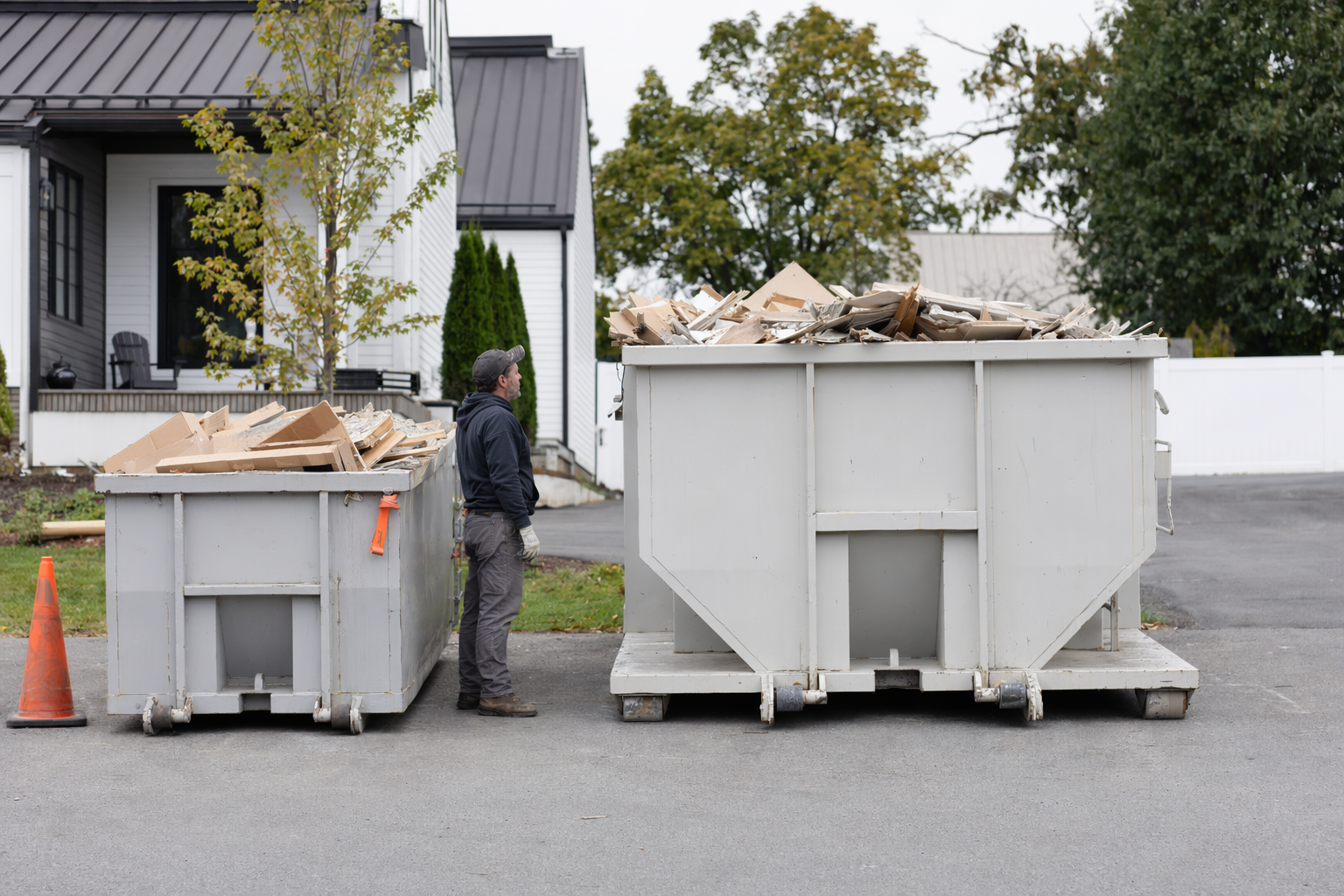
Short answer: yes, but get permission before you order
If you rent the property, do not assume you can place a dumpster just because you are paying for it. In most cases, you should get clear landlord or property-manager approval first, especially if the bin will sit in a driveway, parking area, yard, alley, or on the street.
A roll-off dumpster is heavy even before it is filled. It can crack asphalt, scrape concrete, block parking, damage grass, or cause complaints from neighbors or an HOA. If there is a problem, the argument usually becomes: who approved it, who chose the placement, and who pays.
The safest move is simple: get permission in writing, confirm the exact placement, and keep a copy of the dumpster order details. As a tenant, that protects you better than a phone call or a text that says only “okay.”
BinRoute is a free matching service, not a hauling company. We do not rent, deliver, or haul dumpsters. We help you connect with local licensed, insured dumpster-rental companies so you can compare options and choose who to hire.

What to clear with your landlord or property manager
Before you book anything, make sure the owner or manager agrees to the job itself and the spot where the dumpster will go. That matters just as much as the rental price.
Ask about the driveway, parking lot, private road, gate access, hours when trucks are allowed, and whether the lease or building rules limit construction debris, cleanouts, or large containers. In apartment and condo settings, there may also be loading-zone rules, reserved spaces, or move-in and move-out restrictions.
Good things to get in writing:
- Permission to have a roll-off dumpster at the property
- Exact placement location
- Dates it can be there
- Whether surface protection like boards is required
- Who is responsible if the surface is damaged
- Whether the tenant or landlord handles any permit or HOA approval
If the landlord wants to order the dumpster directly, that can be cleaner. If you order it yourself, confirm that the hauler has the correct contact person for delivery questions so the truck does not show up and leave because access was blocked.
Where a tenant can put the dumpster
Private property is usually the easiest place if there is enough room and the owner approves it. A driveway is common, but the truck needs space not just for the container, but also to roll it off safely. Low wires, tree branches, parked cars, fences, and tight turns can all stop a delivery.
Street placement is where many tenants get tripped up. In some areas, a permit is required if the dumpster sits on a public street, alley, or sidewalk area. In other places, the hauler may handle it, the property owner may have to apply, or street placement may not be allowed at all. Rules vary by city, county, and even by neighborhood.
If you think the dumpster may need to go on the street, ask before ordering. Do not assume the hauler will “figure it out” on delivery day. A failed delivery can mean a trip or dry-run fee.
Also ask whether the container can block a garage, mailbox, fire lane, shared driveway, or pedestrian path. Even if the truck can technically place it there, building rules or local rules may say no.
What size usually makes sense for a tenant job
Most tenant projects are smaller than a full renovation but bigger than people think. Common jobs are move-out junk, a garage or basement cleanout, yard debris, flooring removal, or a small remodel. For those jobs, a 10-yard or 15-yard dumpster is often the starting point.
As a rough guide, a 10-yard dumpster holds about 3 pickup-truck loads, and a 20-yard holds about 6 pickup-truck loads. A 15-yard sits in the middle. Most people under-order. If you are between sizes for household junk, old furniture, or light remodeling debris, the next size up is usually cheaper than filling one too fast and needing a second dumpster.
Heavy debris is different. Concrete, dirt, brick, shingles, and tile fill a container by weight long before they fill it by volume. For that kind of material, a smaller dedicated heavy-debris bin is usually the right move. Always confirm size and weight limits locally because container sizes and allowances vary by hauler and area.
If you are not sure what fits your job, start with project guides and compare common sizes and uses. Then confirm the final size, tonnage allowance, and what material is allowed before delivery.
What it should cost, and the surprise fees tenants should watch
For a typical residential rental, many tenants will see general starting ranges around $300 to $850 for a common roll-off, depending on size, area, rental period, included weight, and the type of debris. Heavier material, longer rentals, dense cities, and hard-to-access locations can push the real price higher. These are not quotes.
The biggest mistake is focusing only on the base price. Ask for the all-in price in writing before you agree. The line items that cause the most trouble are over-tonnage fees, extra-day fees, trip or dry-run fees, and prohibited-item fees.
Watch these closely:
- Over-tonnage: charged per ton if you go over the included weight allowance
- Extra-day fee: charged if you keep the dumpster longer than the rental period
- Trip or dry-run fee: charged if the truck arrives but cannot deliver or pick up because access is blocked
- Prohibited-item fee: charged if banned items are found in the load
As a tenant, blocked access is a common problem. Neighbors park in the way, gates are locked, move-out timing shifts, or the landlord changes the placement spot. Confirm the pickup date, keep the path clear, and make sure the load is not overfilled above the top edge. For more on general pricing, see dumpster costs.
Who is responsible if something goes wrong
This depends on your lease, your agreement with the property owner, local rules, and the hauler's terms. In plain English: do not guess. Ask who is responsible for permits, surface damage, blocked access, overage fees, and banned items before the dumpster arrives.
As the person placing the order, you may be treated as the customer even if you are a tenant. That can mean the bill comes to you if the dumpster stays too long, weighs too much, or cannot be picked up. If your landlord is the one directing the placement or requiring the work, it may make more sense for them to order it directly. Either way, get the details in writing.
You should also verify that the hauler is licensed and insured for your area. BinRoute can help you get matched with local companies, but you stay in control: you confirm the size, rental period, placement, weight allowance, and all-in price before delivery, and you choose who to hire.
If you want help comparing local options, get matched with BinRoute. The service is free for customers. We only collect basic contact and project details like your name, phone, optional email, project type, ZIP code, and preferred language.
If you are a tenant, get the landlord's okay in writing, confirm placement and permits, and get the all-in dumpster price and responsibility details before delivery.
Common questions
Can I rent a dumpster without telling my landlord?
You can try, but it is a bad idea. If the dumpster damages the driveway, blocks parking, violates lease rules, or needs to sit on shared property, you may end up responsible for the problem.
Does a tenant or landlord need the street permit?
It varies by area. Sometimes the hauler handles it, sometimes the property owner or customer does, and sometimes street placement is not allowed at all, so confirm locally before ordering.
What size dumpster do I need for a move-out cleanout?
A small move-out may fit in a 10-yard dumpster, while a larger cleanout may need a 15-yard or 20-yard. Most people under-order, so if you are on the edge between two sizes for light junk, rounding up is usually cheaper than renting a second bin.
Can I put furniture and household junk in a roll-off dumpster at a rental?
Usually yes for ordinary junk, furniture, and non-hazardous cleanout debris, but every hauler has rules. Items like paint, chemicals, batteries, tires, medical waste, and other regulated materials often are not allowed and should go through the proper local disposal program.
Who pays if the dumpster cracks the driveway?
That depends on the rental agreement, the lease, and what the landlord approved. As general information only, the safest approach is to agree in writing beforehand on placement, surface protection, and who is responsible for any damage.
What should I ask before I book the dumpster?
Ask for the all-in price, rental period, included weight, overage charges, prohibited items, exact placement requirements, and whether a permit is needed. Also confirm who will be responsible if the truck cannot deliver or pick up because access is blocked.