Free downloads
What's Allowed in a Dumpster Checklist
Use this free, printable checklist to quickly sort “allowed vs. not allowed” items before you rent a roll-off dumpster. It’s a practical guide to help you avoid extra fees and plan where banned items go.
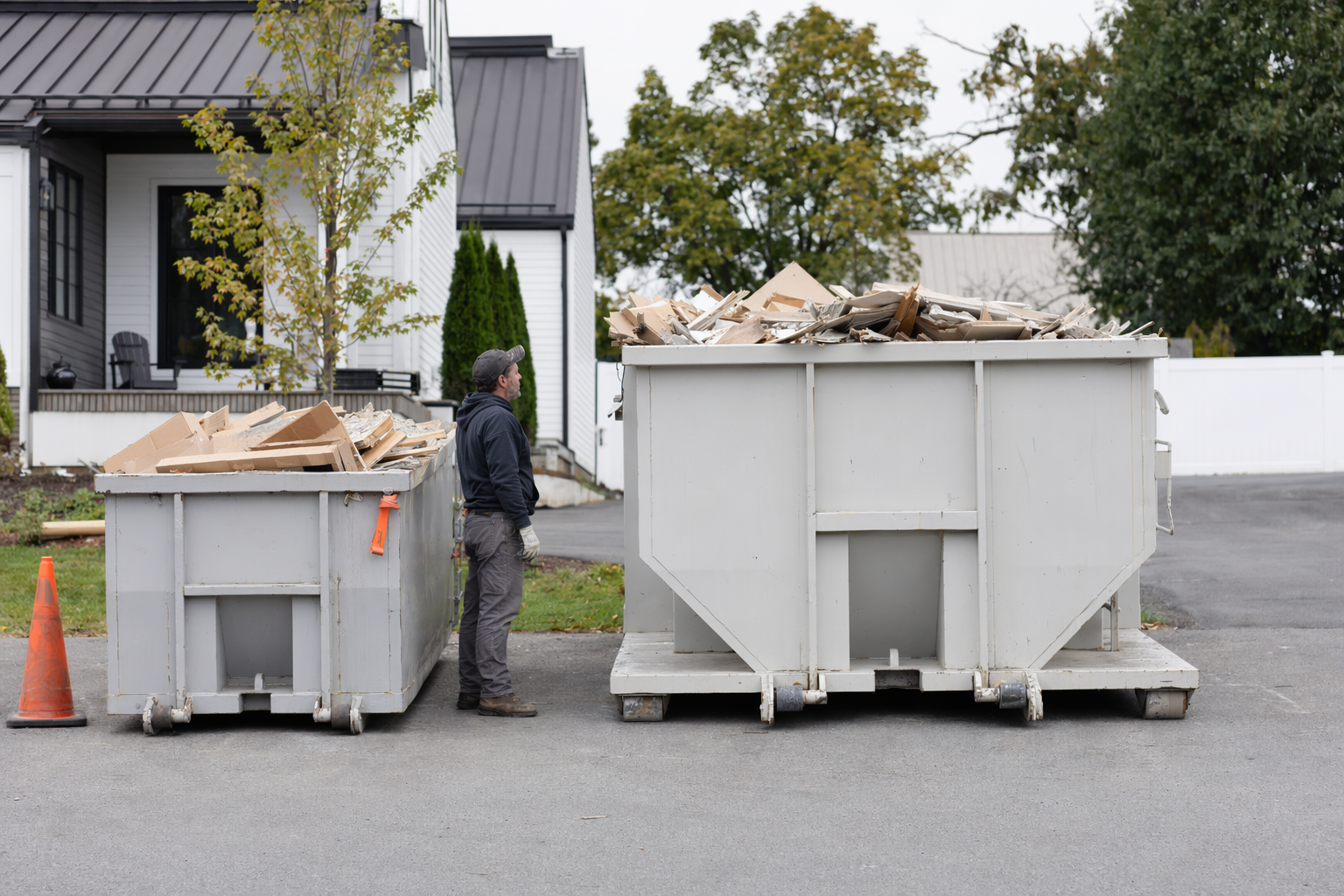
What’s in the checklist (and how it helps)
This free download is a plain-language checklist for common household and jobsite debris—so you can make faster decisions about what goes in your roll-off dumpster and what does not.
The guide is built around real-world “before you load” questions: what counts as normal construction debris, what items often get banned or restricted, and what to do instead (like using local drop-off programs). It also helps you think ahead about weight and fill—because many people over-pack or under-order.
You’ll also get reminders to confirm rules locally. Dumpster “allowed items” lists can vary by area and by hauler, and sometimes by the condition of the item (for example, electronics, paint, batteries, and certain chemicals).
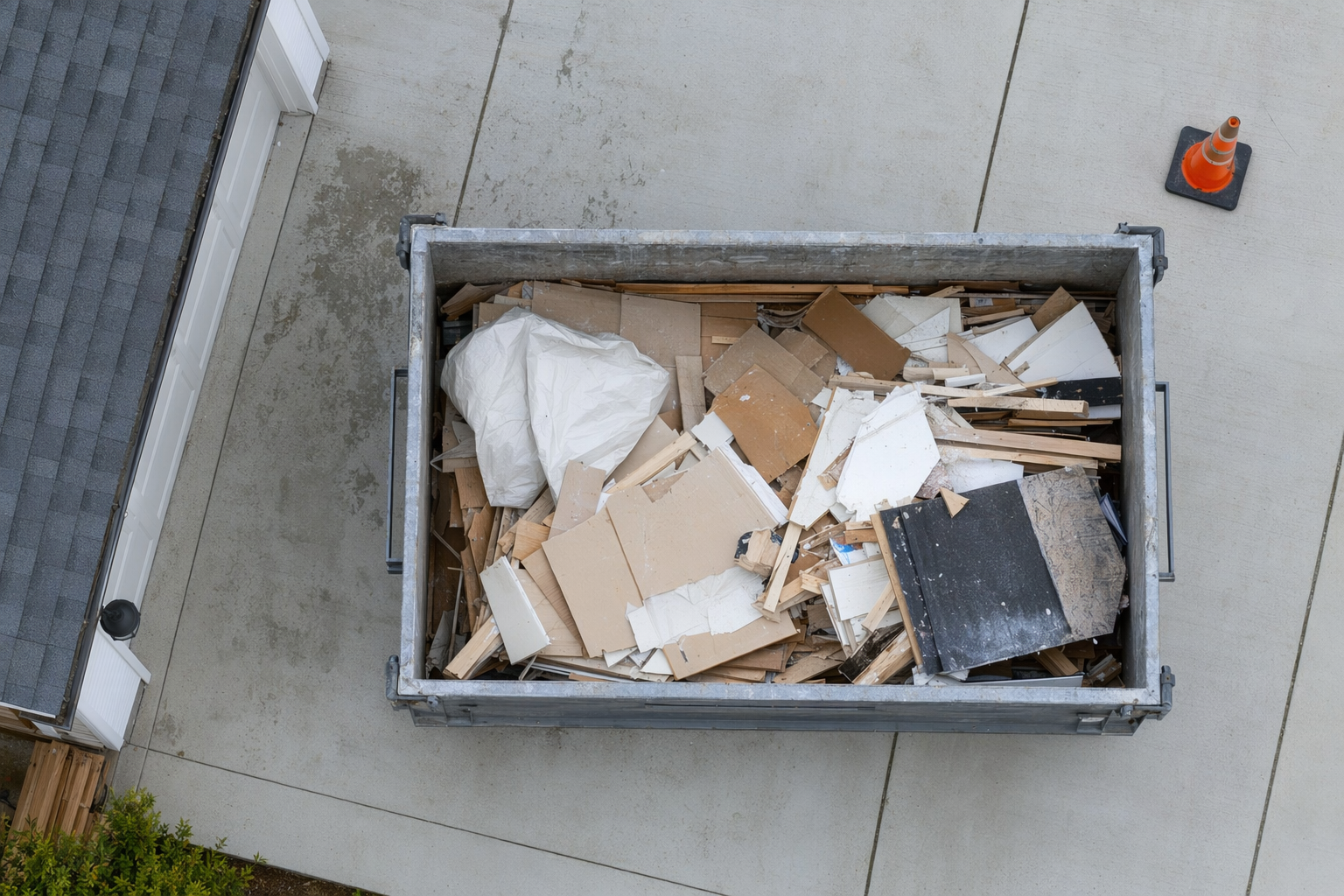
Who this checklist is for
This is for homeowners, renters, and small contractors across the United States who are about to rent a roll-off dumpster for cleanouts, renovations, roofing tear-offs, construction, or demolition debris.
It’s especially helpful if you’re new to renting in the US, prefer plain language, or want a quick way to reduce mistakes—like tossing something prohibited that triggers a disposal fee, a refused load, or a delay.
If you’re handling paint, chemicals, tires, electronics, medical-style waste, or anything that could be considered hazardous/regulated: the checklist will point you to the proper local disposal route (not “dumpster disposal”).
How to use it before you rent (quick workflow)
Use the checklist in the order that prevents problems:
1. Gather your project materials and make a rough list of what you plan to throw out (room-by-room or pile-by-pile).
2. Check each item against the allowed/not allowed list.
3. For anything listed as “take to a special drop-off” or “not accepted,” write down where your local program is (the checklist highlights common categories like paint, tires, electronics, batteries, and hazardous materials).
4. Confirm your dumpster details with the rental company before delivery—especially the dumpster size, rental length, and the weight limits they include.
If you’re unsure about size, start here: What size dumpster do I need?. Most people under-order, and heavy debris (like concrete, dirt, shingles, or tile) fills by weight before it fills by volume.
Cost and fees: what to watch so you don’t get surprised
This checklist won’t give you a guaranteed price—because dumpster costs are driven by local pricing, the size you pick, how long you keep it, and what you’re throwing away.
What commonly changes the total cost is:
- Extra-day charges if you go past the rental period
- Over-tonnage or weight-limit fees if the load is too heavy
- Fees for prohibited or restricted items (or a load that can’t be accepted as-is)
- Possible trip-related charges if the placement or access is a problem
Before you approve delivery, get an all-in price in writing and confirm the weight allowance and rules for your specific items.
How BinRoute helps after (or alongside) the checklist
BinRoute is a free matching service, not a dumpster company. We help you connect with licensed, insured local dumpster-rental and hauling companies that handle your type of debris in your area.
After you’ve reviewed the checklist, you can use BinRoute to request matches based on your project details (like project type and ZIP code), your preferred language, and the kind of debris you have.
To get started: Get matched. If you want ideas for what to plan for by project, browse Projects.
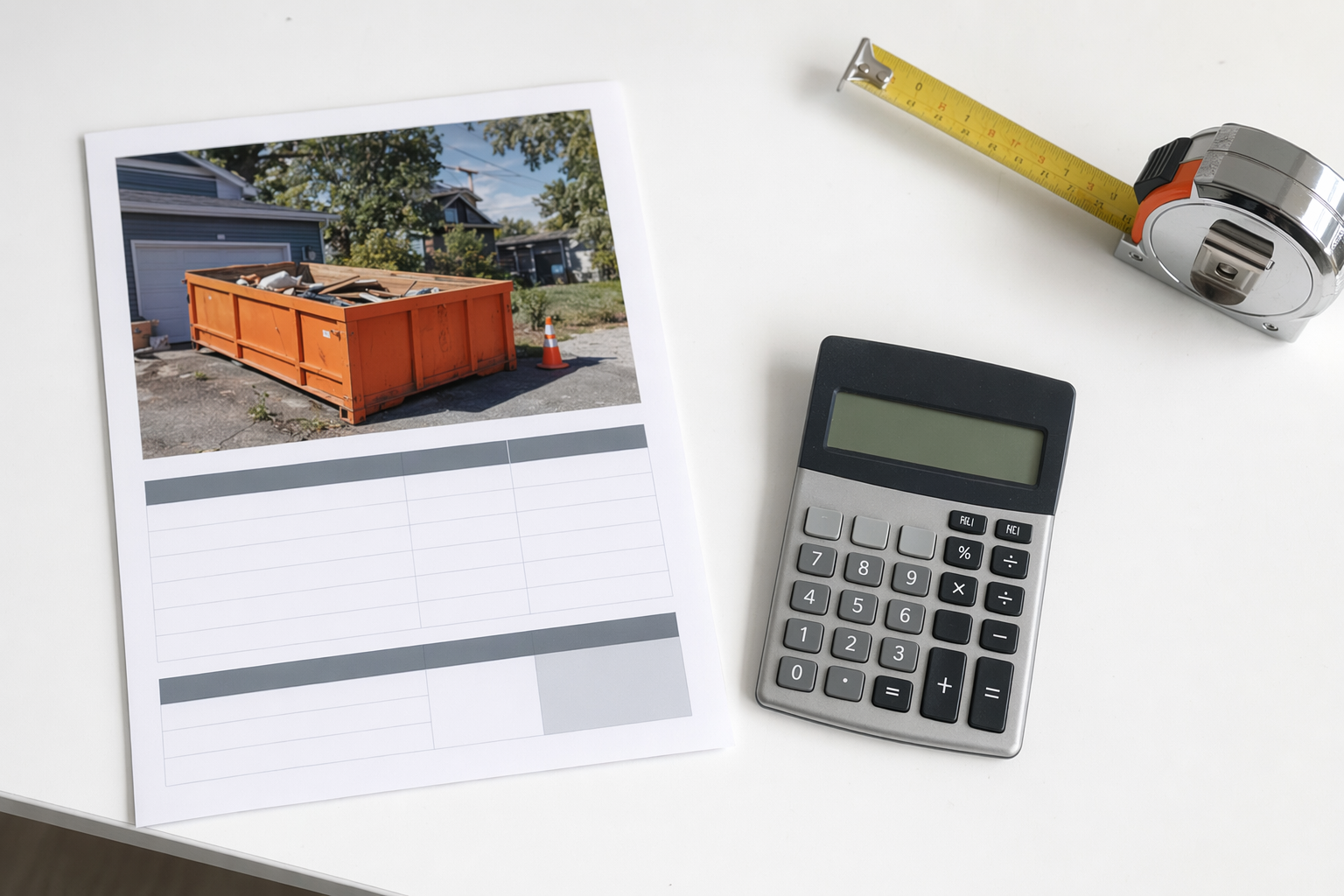
Download the free checklist to sort what’s typically allowed in a roll-off dumpster from what must go to special drop-offs, then confirm size, weight rules, and all-in price with your hauler before delivery.
Common questions
Is this checklist a legal rulebook for every hauler?
No. Dumpster item rules can vary by city and by the specific hauler. The checklist gives general guidance, but you should confirm the final allowed/restricted list and weight rules with the company you hire.
What do I do with paint, tires, electronics, or other banned items?
Don’t put them in the roll-off unless your rental company explicitly confirms it. Use the proper local disposal or recycling options for those items (the checklist points you to the categories to look up). For regulated/hazardous waste, use the appropriate local program.
Will this help me choose the right dumpster size too?
It helps you plan what you’ll throw out and avoid prohibited-item mistakes. For sizing, also use the BinRoute guide on choosing the right size, especially for heavy debris where weight can fill the bin before volume.