Free downloads
Dumpster Rental Checklist
Use this free checklist before you rent a roll-off dumpster so you can confirm the size, weight limit, placement, permit, and real total price before delivery. It is built to help you avoid the common mistakes that cost extra.
What this checklist helps you confirm before you rent
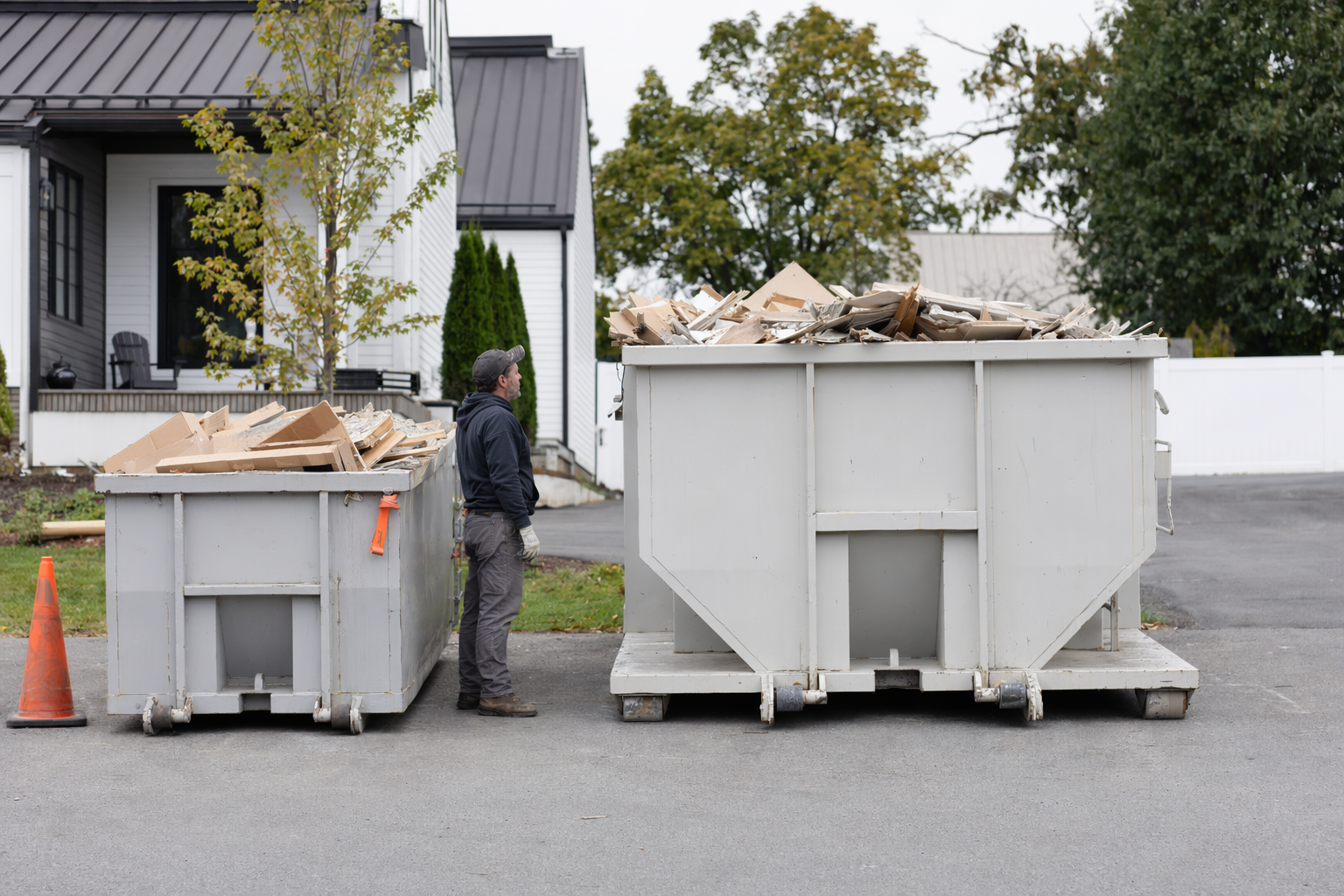
This free download is a simple before-you-book list for anyone renting a roll-off dumpster for a cleanout, remodel, roofing job, yard debris, or small construction project. It helps you slow down and confirm the details that matter most: the dumpster size, the rental period, the tonnage allowance, where the container will sit, whether a street permit may be needed, and what items are not allowed.
Most people focus on the box size and forget the weight limit, extra-day fees, or prohibited-item rules. That is where surprise charges usually come from. The checklist is meant to help you ask the right questions before the dumpster is dropped off, not after it is full.
BinRoute is a free matching service, not a hauling company. We do not rent, deliver, haul, or dispose of dumpsters or debris. We help connect you with local dumpster-rental companies so you can compare your options and stay in control of the final choice.
Who this free download is for
This checklist is useful for homeowners, renters, landlords, estate executors, and small contractors who want a plain-English way to double-check a rental before saying yes. It is especially helpful if this is your first dumpster rental in the US or if English is not your first language.
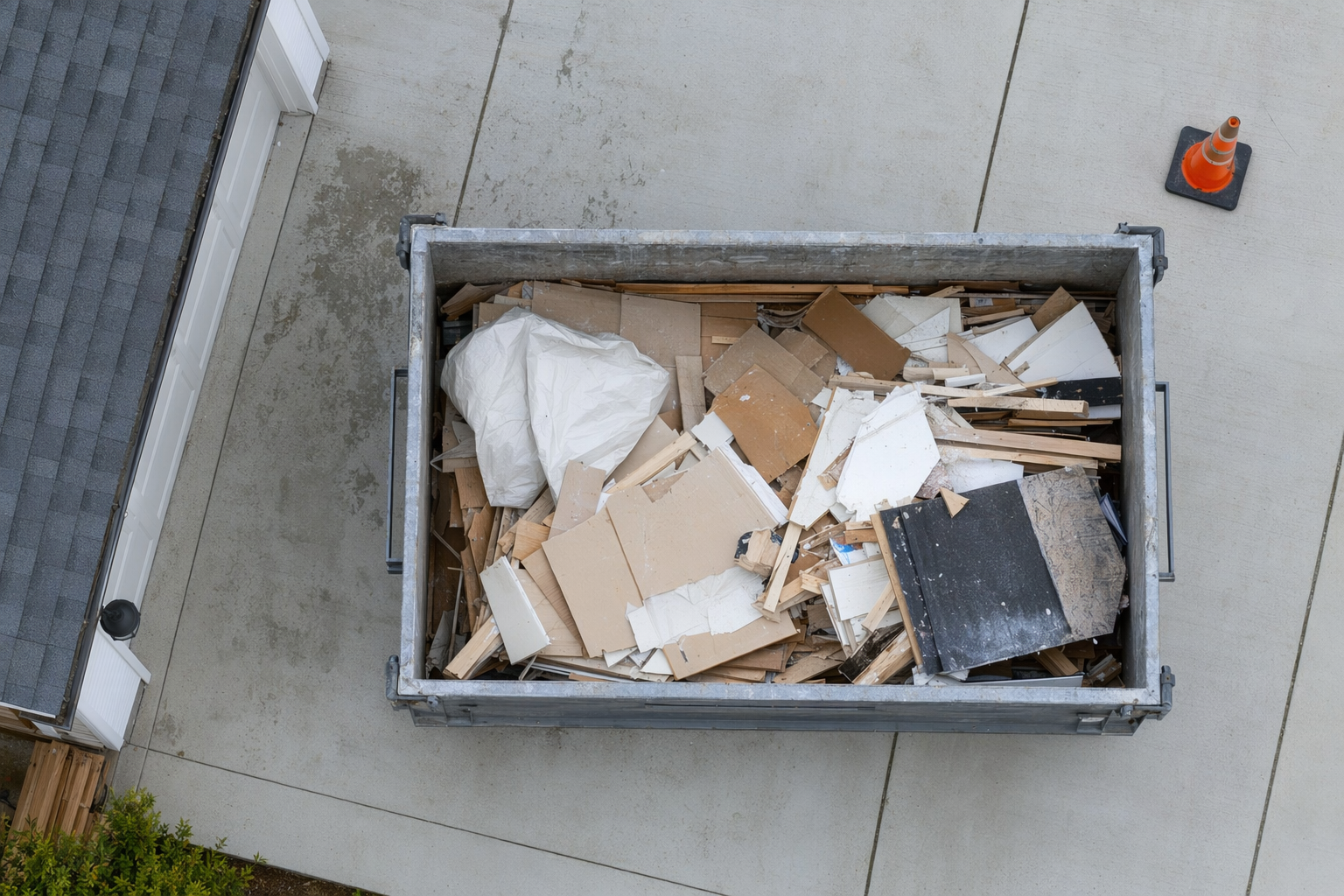
It is also useful when your project is the kind people often under-size: garage cleanouts, house cleanouts, flooring tear-outs, kitchen or bath remodels, roofing tear-offs, and heavy debris like concrete, dirt, tile, or shingles. In those jobs, one wrong assumption can mean ordering a second bin or paying over-tonnage fees.
If you are not sure what size to start with, read what size dumpster do I need? before using the checklist. In general, when you are between sizes, the next size up is usually cheaper than renting a second dumpster later.
What is inside the checklist
The checklist walks you through the questions to answer before delivery so nothing important gets missed. It is not legal, engineering, or hazardous-waste advice, and local rules can vary by city, county, HOA, building, and hauler, so always confirm the final details locally.
Here is the kind of information it helps you pin down:
- Your project type and the debris you actually have
- The dumpster size in cubic yards, and whether rounding up makes more sense
- The weight or tonnage allowance included in the price
- How long you can keep the dumpster before extra-day charges start
- Where the dumpster will be placed and whether the surface is suitable
- Whether a street placement may require a local permit
- What cannot go in the dumpster, including regulated or hazardous items
- The all-in price in writing, including common extra fees
How to use the checklist the smart way
Use the checklist before you book, then keep it next to you when you talk to a rental company. It works best when you fill in your project details first, estimate the debris honestly, and then verify each item one by one with the hauler.
A good order is simple:
The costs and fees this checklist helps you catch
Dumpster pricing usually depends on the size, your area, the rental period, the included tonnage, and the type of debris. As a very general range, many standard roll-off rentals land somewhere around $300 to $800+, while heavy debris or higher-cost areas can run more. Those ranges are not quotes.
The checklist is designed to help you catch the charges people miss most often. The big ones are over-tonnage fees if the load weighs more than the allowance, extra-day fees if you keep the bin too long, trip or dry-run fees if the driver cannot drop off or pick up, and prohibited-item fees if banned items are found in the load.
Heavy debris needs extra care. Concrete, dirt, brick, shingles, and tile can hit the weight limit long before the dumpster looks full. For that kind of material, a smaller dedicated container is often the safer and cheaper choice. Confirm that locally with the hauler because size limits and clean-fill rules vary by area.
How BinRoute can help after you use the checklist
Once you have your project details ready, you can use BinRoute’s free matching service to get connected with local dumpster-rental companies. We only collect basic contact and project-intent details: your name, phone, optional email, project type, ZIP code, and preferred language.
That means you stay in control. You review your options, ask your checklist questions, confirm the size, rental period, tonnage allowance, placement, and all-in price, and then choose who to hire. BinRoute does not handle the dumpster itself and does not guarantee pricing, timing, or a specific hauler.
If you are still comparing project types or figuring out what kind of debris you have, the project guides can help you prepare before you make calls.
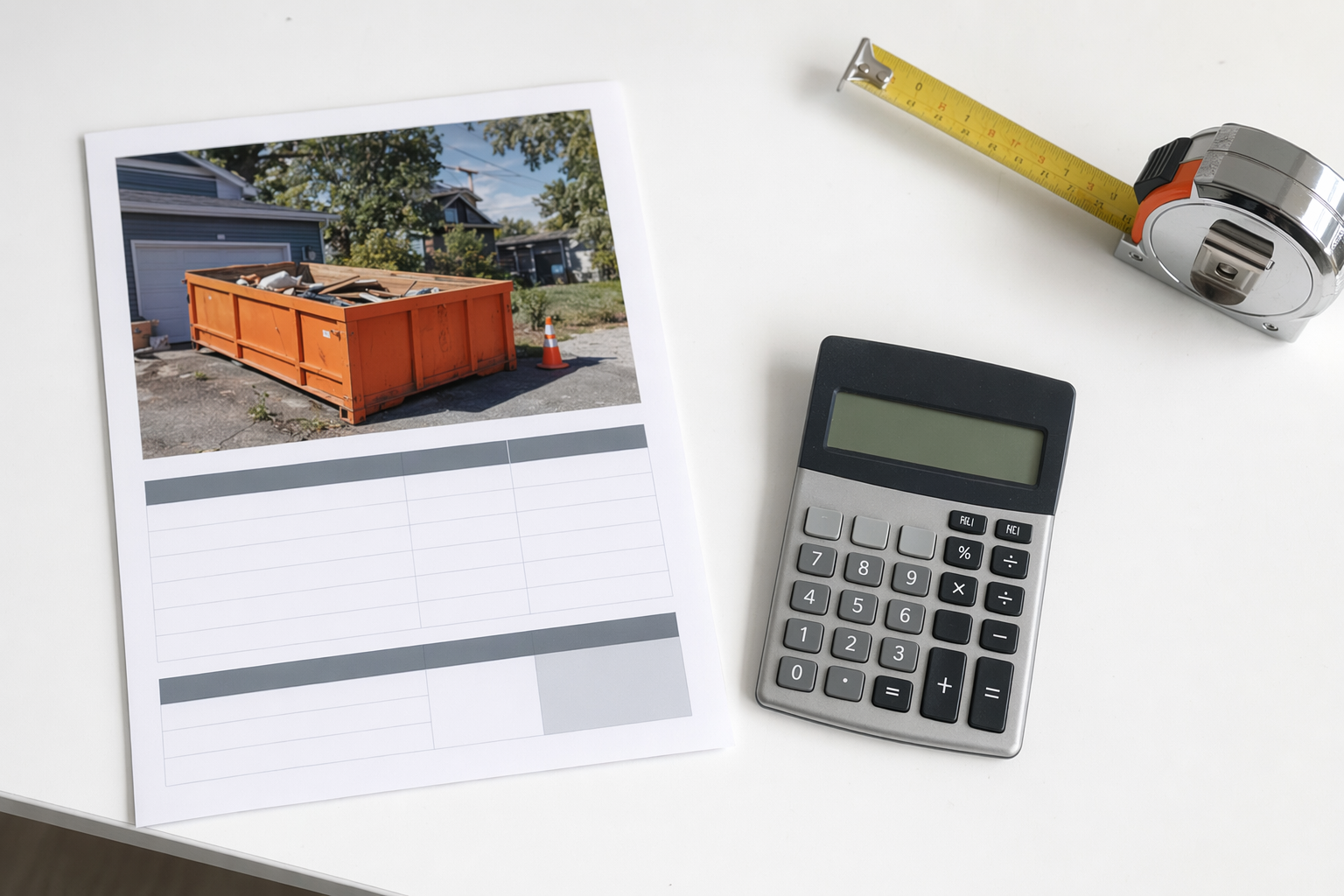
This free checklist helps you ask the right questions before renting a dumpster so you do not get stuck with the wrong size or surprise fees.
Common questions
What should I confirm before renting a dumpster?
At minimum, confirm the size, the rental period, the included weight allowance, where the dumpster will be placed, whether a street permit may be needed, what items are prohibited, and the all-in price in writing.
Why do people get surprise dumpster fees?
Usually because they did not ask about over-tonnage, extra-day, trip or dry-run, or prohibited-item charges before delivery. The checklist helps you ask those questions up front.
Is the biggest mistake ordering too small a dumpster?
Often, yes. Most people under-order, and when you are between sizes, the next size up is usually cheaper than renting a second dumpster.
Does this checklist tell me if I need a permit?
It helps you remember to ask, but it cannot decide that for you. Permit rules vary by city, county, neighborhood, and where the dumpster will sit, so confirm locally before delivery.
Can I use this checklist for concrete, dirt, or roofing shingles?
Yes, and those are the jobs where it helps most. Heavy debris fills a dumpster by weight before volume, so the checklist reminds you to confirm weight limits and whether a smaller dedicated container makes more sense.
Does BinRoute rent dumpsters directly?
No. BinRoute is a free matching service that helps connect you with local dumpster-rental companies; we do not rent, deliver, haul, or dispose of dumpsters or debris.