How we've helped
New to the US, got a clear written quote
If you’re new to the US, renting a roll-off can feel confusing—especially when people talk about “surprise fees.” Here’s an anonymized, illustrative story of how someone got an all-in written quote first and rented the right-size dumpster.
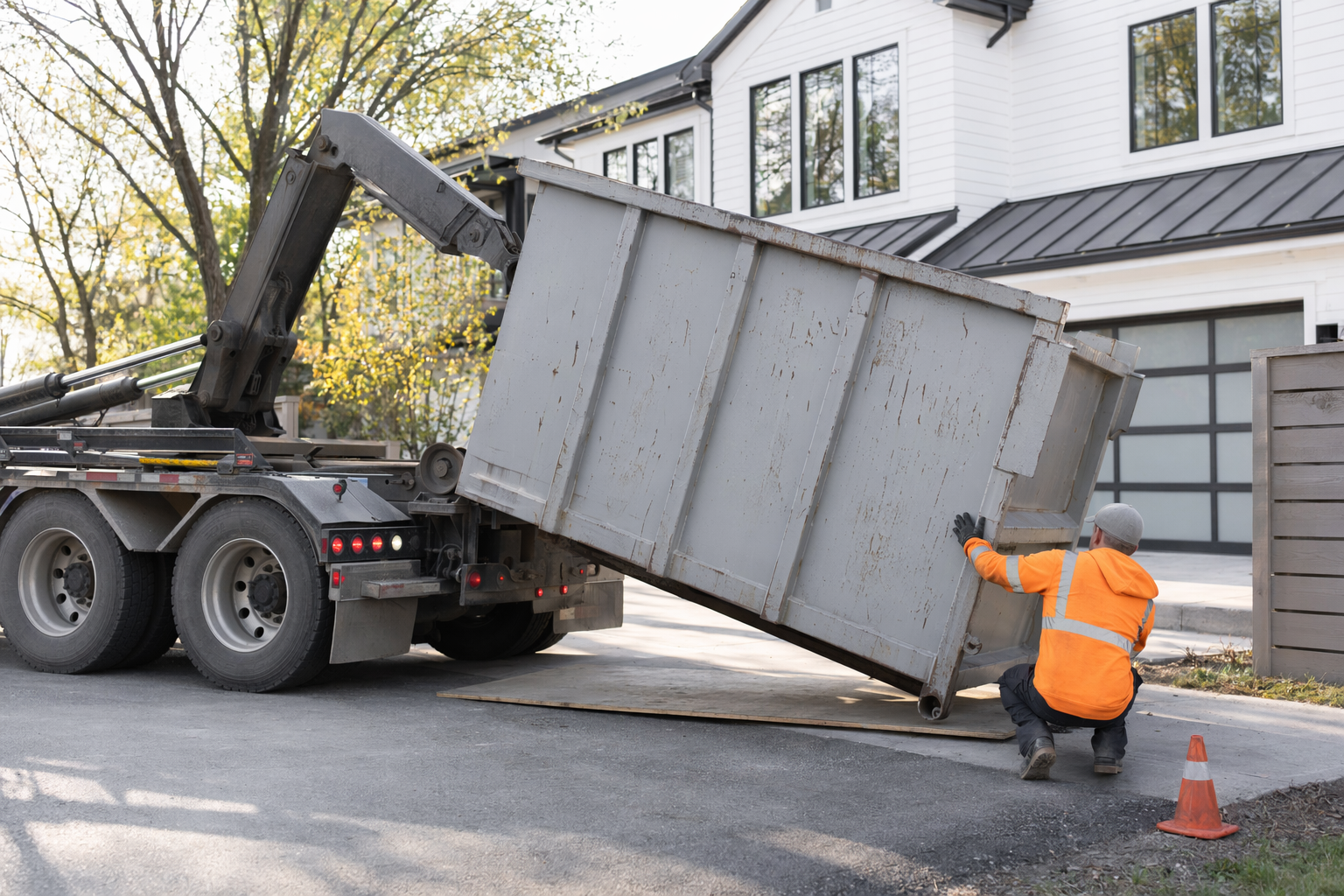
Illustrative story (not a real client): sizing right, then getting the all-in price
This is an anonymized, illustrative case study based on common real-world dumpster rentals. It is not a specific named customer.
A recent arrival wanted to clean out debris from a small home cleanout and a minor remodel. They preferred their own language, had never rented a dumpster before, and were worried about being charged extra after delivery.
They started by thinking in “how much stuff” instead of “how big the house was.” Then they used a simple rule: when they were between sizes, they leaned toward the next size up—because renting a second bin usually costs more than getting the bigger one the first time.
For heavy debris (old flooring, tile, and some concrete rubble), they were extra careful. They knew heavy loads fill by WEIGHT before they look full, so they didn’t try to fit everything into a bigger general-purpose bin “just because it would fit.” They also planned to talk with the matched hauler about weight/tonnage limits up front.

How they avoided overage and trip fees
Overage fees usually happen for one of three reasons: (1) the rental runs longer than planned, (2) the load exceeds the included weight/tonnage allowance, or (3) the items are prohibited and the hauler must handle/charge differently.
Before scheduling, they asked for the all-in price in writing—not just the base rental. They made sure the quote clearly addressed:
- the dumpster size (cubic yards)
- the rental length (how many days are included)
- the weight/tonnage allowance and what happens if they exceed it
- any extra-day charges and how those are calculated
- any trip, dry-run, or delivery/placement fees (if applicable)
They also planned the workflow. They weren’t trying to “stuff it all at once.” Instead, they cleared lighter trash first, then handled heavier demolition pieces in smaller batches so they could stop and adjust if the load was already heavy.
What “getting the right size” looked like
Most people under-order. In this story, the renter initially thought a smaller bin would be enough because the space “didn’t look that full.” Then they counted materials more honestly: bulky items (cabinets, drywall chunks, insulation bags) take volume, while concrete and dirt take weight.
For the heavy parts, they treated it as a “separate problem.” Even if a larger bin would look spacious, heavy clean fill, concrete, and shingles can trigger weight limits faster than volume limits.
The result: they chose a size that fit the work without assuming the dumpster would magically swallow everything. That’s what kept the rental from turning into an overage situation—because weight and included tonnage were discussed before anything was delivered.
How they got matched and why they hired a licensed, insured hauler
BinRoute is a FREE matching service. We don’t rent or haul dumpsters, and we don’t dispose of waste. Instead, we connect you with licensed, insured local dumpster-rental and hauling companies so you can compare options and get the all-in price.
After they decided what they were removing (and roughly how much), they used BinRoute to share only the basics: their project type, ZIP code, preferred language, and what kind of debris they expected. They didn’t need to provide any sensitive financial information.
Because they asked for an all-in written quote first, they could compare like-for-like. They also confirmed responsibility details with the hauler before delivery—especially placement rules (where the bin can go) and whether a street permit might be needed in their area.
Finally, they hired the local hauler they felt most confident about, based on licensing/insurance and the clarity of the written quote—rather than taking a “best guess” price over the phone.
Cost reality: what usually drives price up or down (and why “ranges” matter)
Dumpster costs vary a lot across the US. The biggest drivers are the dumpster size, your location (local disposal and delivery conditions), rental length (how many days are included), and the debris type/weight.
Typical all-in price ranges for roll-off dumpsters often fall roughly like this (not a quote): smaller sizes can start around the low hundreds of dollars, while mid-size and larger rentals can land higher depending on area and included tonnage. Concrete/dirt and roofing tear-off jobs often cost more because weight limits are reached sooner and disposal handling can be different.
If someone offers a single number without discussing tonnage allowance, extra-day terms, and prohibited-item policies, that’s a red flag. In the story, they avoided that by demanding the details in writing before committing.
This (illustrative) example shows how picking the right size, planning around weight, and getting an all-in written quote first can help you avoid overage or trip fees when renting a roll-off dumpster—matched through BinRoute.
Common questions
What should I ask for so I don’t get surprise dumpster fees?
Ask for the all-in written quote that clearly lists: the dumpster size, included rental days, included weight/tonnage allowance, extra-day charges, any trip/dry-run fees, and what prohibited items (if any) can change the price. Also confirm whether a street permit might be required in your area.
How do I know if I’m about to exceed the weight limit?
Heavy materials (concrete, dirt, brick, roofing shingles, tile) often fill a dumpster by weight before they fill it visually. If your project includes lots of heavy debris, tell the hauler what you’re throwing in and confirm the tonnage allowance and overage fee terms before delivery.
Is BinRoute the company that delivers and hauls the dumpster?
No. BinRoute is a FREE matching service. We connect you with licensed, insured local haulers, but you still choose who to hire and you should confirm the size, rental period, placement, and written all-in price before delivery.