How we've helped
A kitchen remodel, sized right the first time
Here’s an anonymized story of a kitchen remodel where the homeowner rounded up one size and avoided a second bin, overage charges, and a dry-run. It’s illustrative only, but the lesson is real: measure the debris, then give yourself a little room.
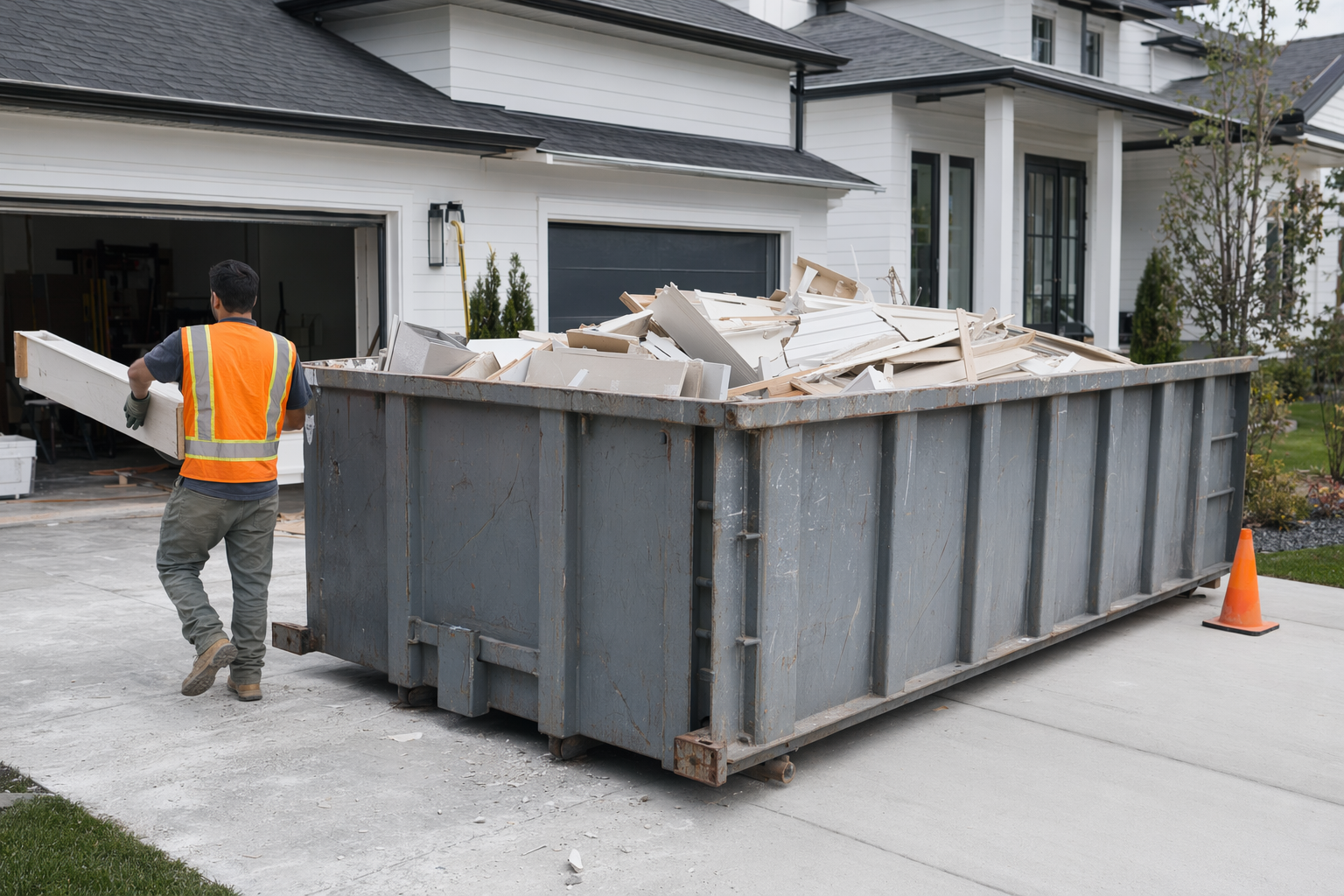
How the bin was sized for the kitchen demo
In this example, the project was a full kitchen remodel: old cabinets, counters, flooring, drywall, and packaging from the new materials. The homeowner first guessed a smaller bin, but after breaking down what was actually coming out, it was clear the load would stack up fast.
For a kitchen tear-out, people often think in room size, but dumpsters are about volume. A typical small remodel can land around 10 to 20 cubic yards of debris, depending on how much is being removed and how bulky it is. In this story, the homeowner rounded up one size instead of trying to squeeze everything into the smaller bin.
That mattered because mixed remodel debris fills a roll-off by space before it hits the weight limit. When you’re between sizes, the next size up is usually cheaper than renting a second dumpster later.
- If you’re unsure, estimate in cubic yards, not just by the room.
- Bulky debris like cabinets and drywall can look small until it’s in the bin.
- When in doubt, round up one size and confirm the allowance locally.
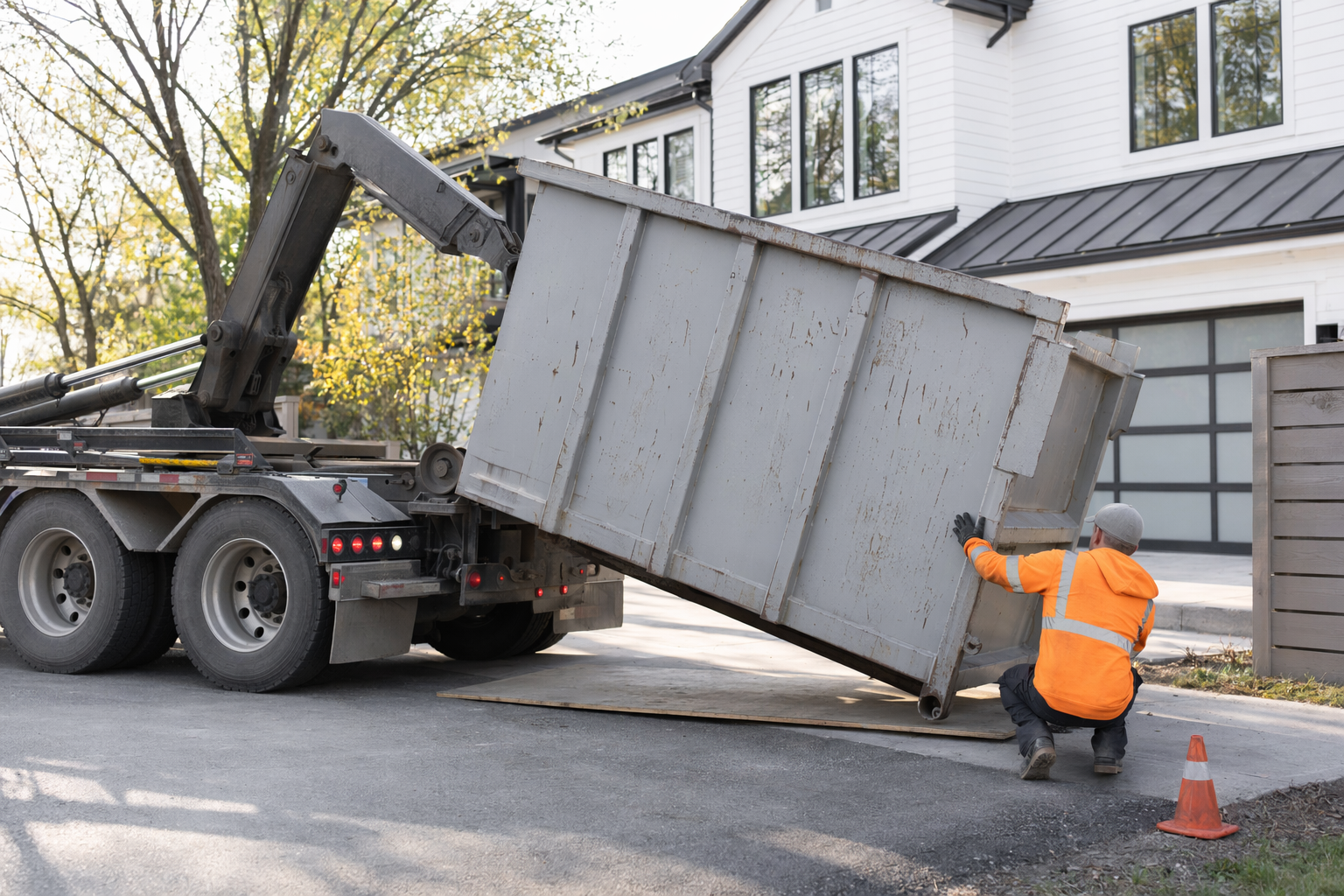
What would have gone wrong with the smaller bin
If the homeowner had ordered the smaller bin, the load likely would have stacked above the side walls before the work was done. That is where trouble starts: a second bin, a trip fee if the driver can’t pick it up safely, or an overage charge if the weight went over the allowance.
This is one of the most common mistakes on remodels. People under-order because the debris is spread around the house at first. Then demo day hits, and suddenly there are cabinets, countertop pieces, underlayment, tile, and broken drywall all coming out at once.
The safer move is to plan for the full pile, not the first few pieces. That is especially true if the job includes dense material mixed in with lighter junk. Heavy debris can eat up the tonnage allowance fast, even in a bin that still looks half empty.
- Possible surprise fees include over-tonnage, extra-day, trip or dry-run, and prohibited-item fees.
- Ask for the all-in price in writing before delivery.
- Confirm the rental period and weight allowance with the local hauler before the bin is dropped.
What the cost looked like in practical terms
This was not a quote, just a realistic example. For a kitchen remodel dumpster, many areas in the US see rough price ranges like about $350 to $750 for a smaller roll-off, and about $450 to $900 or more for a larger one. The real number depends on the bin size, your area, the rental period, the tonnage included, and what kind of debris you’re throwing out.
Mixed renovation debris is usually priced differently than clean light trash, and the weight limit matters just as much as the size. If the load includes tile, plaster, roofing material, or other dense material, the price can rise because the tonnage allowance gets used up faster.
The homeowner in this story avoided surprise costs by asking for the full price up front and confirming what would trigger extra charges. That simple step is often what separates a clean project from a headache.
- Rates vary by city, suburb, and how far the hauler must travel.
- The same size bin can cost differently depending on debris type and weight allowance.
- The lowest headline price is not always the cheapest once fees are added.
How they got matched with a licensed local hauler
BinRoute is a FREE matching service, not a dumpster company. In this story, the homeowner shared only contact details and project basics: name, phone, optional email, ZIP code, project type, and preferred language. Then they were connected with a local licensed, insured hauler that served that area.
That’s the point: the customer stays in control. They choose who to hire, and they confirm the size, placement, rental period, tonnage allowance, and all-in price before anything is delivered. No guesswork, no pressure.
If you want to understand the process before you request a match, see how it works or browse more stories. When you’re ready, you can get matched with a local hauler.
- BinRoute does not deliver, rent, or haul dumpsters.
- Always verify the hauler is licensed and insured in your area.
- Confirm local permit rules if the bin will sit on the street or public space.
What this story teaches the next homeowner
The big lesson is simple: most people under-order roll-off dumpsters. In a kitchen remodel, one extra size often saves money because it avoids a second delivery, a pickup delay, or an overage charge.
Another lesson is to separate heavy material from bulky light debris when possible. Heavy clean fill like concrete or dirt usually needs a smaller dedicated container because weight, not volume, is the limiter. Kitchen demo is usually mixed debris, so planning for space and weight both matters.
This story is illustrative only, not a specific named client. Rules, sizes, and fees vary by area and by hauler, so confirm everything locally before the dumpster shows up.
- Round up when you are between sizes.
- Get the all-in price in writing.
- Use proper local disposal programs for hazardous, medical, or regulated waste.
Measure the debris, round up if you’re between sizes, confirm the all-in price, and get matched with a licensed local hauler before the dumpster is delivered.
Common questions
How big of a dumpster do I need for a kitchen remodel?
Many kitchen remodels fit in the 10 to 20 cubic yard range, but it depends on how much you’re tearing out and how bulky the debris is. If you’re between sizes, rounding up is usually the safer and cheaper move than needing a second bin.
What fees should I watch for on a dumpster rental?
Common surprise fees are over-tonnage, extra-day, trip or dry-run, and prohibited-item fees. Ask for the all-in price in writing and confirm the rental period and weight allowance before delivery.
Does BinRoute rent or deliver dumpsters?
No. BinRoute is a free matching service that connects you with local licensed, insured dumpster companies. You choose the hauler, and you confirm the details directly with them.
Can I throw away old cabinets and drywall?
Usually those are normal kitchen-remodel debris, but rules vary by area and by hauler. Always confirm locally, and keep hazardous or regulated waste out of the roll-off and use the proper local disposal program.