How we've helped
An estate cleanout without an overage bill
An anonymized, illustrative story about an estate cleanout that stayed on budget by using the right bin sizes, separating heavy debris, and confirming the full price before delivery.
How the cleanout was sized right from the start
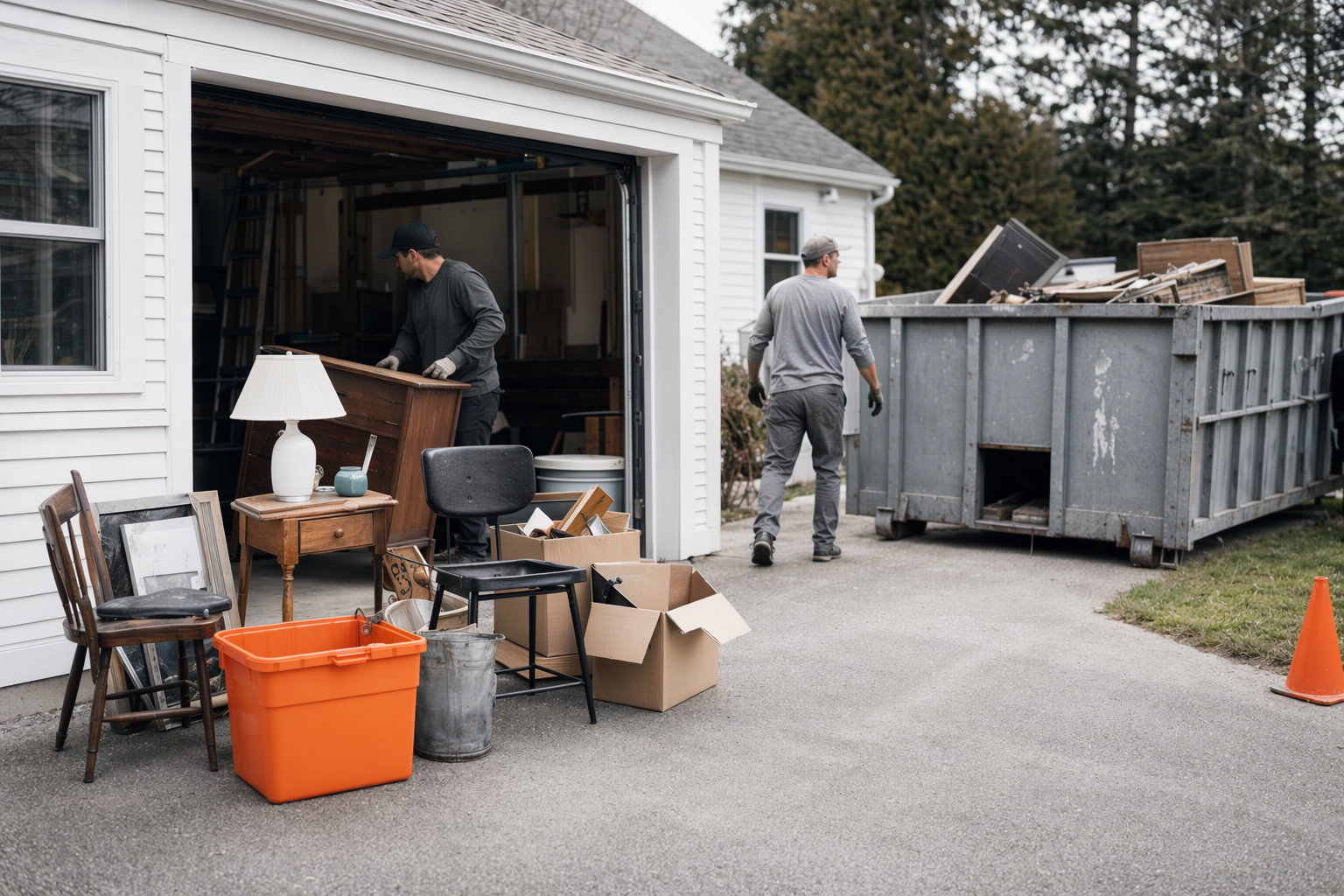
This is an illustrative story, not a named client. A family had to clear out a house, garage, and backyard after years of accumulation. At first, they thought one 20-yard dumpster would handle everything because it sounded big enough.
A 20-yard bin is often fine for a moderate cleanout, but full-property estate cleanouts usually run larger than people expect. Old furniture, bagged trash, shelving, mattresses, boxes, and garage junk add up fast. In real terms, a 20-yard dumpster holds about 6 pickup-truck loads, a 30-yard holds about 9, and a 40-yard holds about 12.
What changed the plan was the heavy material in the yard: broken concrete pieces, pavers, and some dirt. That kind of debris fills a dumpster by weight long before it fills by volume. Instead of throwing everything into one big container, they planned for one larger mixed-debris bin for the household contents and one smaller, dedicated bin for the concrete.
That one decision matters on jobs like this. Most people under-order, and when you are between sizes, the next size up is usually cheaper than needing a second full-size bin later. But for concrete, dirt, shingles, and tile, bigger is not always better. A smaller dedicated container is usually the safer, cheaper choice because of weight limits.
What they rented and why it worked
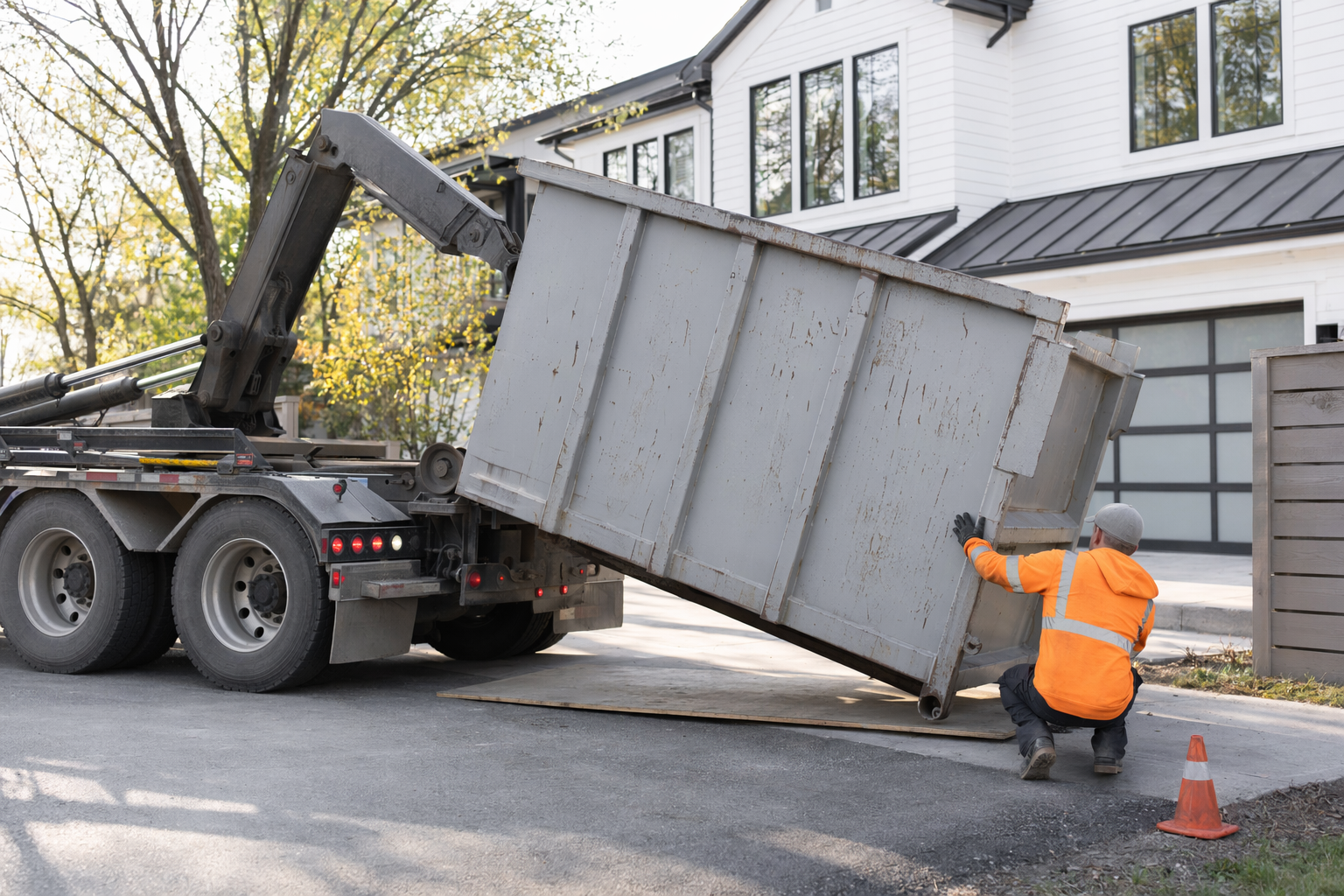
For the main cleanout, they went with a 30-yard roll-off instead of a 20-yard. That gave them room for bulky household items without packing too tightly or stacking dangerously high. The larger bin cost more up front, but it reduced the risk of needing an emergency swap or second dumpster halfway through the job.
For the heavy debris, they used a separate 10-yard container meant for clean heavy material. That kept the concrete out of the larger mixed-load dumpster, which helped avoid an over-tonnage bill. It also made the load easier for the hauler to price correctly.
The family also staged the cleanup before delivery day. Recyclables, donation items, and things that could not go in the dumpster were pulled aside first. That meant the dumpster space was used for actual trash and debris, not for items that needed a different disposal route.
Rules on what can go in a dumpster vary by area and by hauler, so they confirmed locally before loading. For hazardous, medical, or other regulated waste, the right move is to use the proper local disposal program, not a roll-off dumpster.
How they avoided overage and trip fees
The biggest money saver was getting the all-in price in writing before the dumpster arrived. They asked about the rental period, the included weight allowance, the extra cost per ton over that allowance, and whether there would be fees for extra days, blocked pickup, or a failed delivery.
That matters because the surprise fees are usually predictable. The common ones are over-tonnage fees, extra-day fees, trip or dry-run fees if the truck shows up and cannot place or pick up the bin, and prohibited-item fees if banned materials are found in the load.
They avoided a trip fee by clearing space in the driveway, moving vehicles, checking gate width, and confirming where the truck would back in. They avoided extra-day fees by setting a realistic cleanup schedule instead of guessing. And they avoided an overage bill by keeping the concrete separate in the smaller heavy-debris dumpster.
Nothing here is a guaranteed formula, because prices and policies vary by area and company. But the general lesson is simple: ask about weight before you book, and separate heavy material from regular estate-cleanout debris whenever you can.
What this kind of job often costs
For an estate cleanout like this, a 30-yard mixed-debris dumpster in many US markets might run roughly $450 to $850 for a standard rental period, depending on the area, the included tonnage, and the type of debris. A smaller 10-yard heavy-material bin for concrete or dirt might run around $300 to $650. Those are general ranges, not quotes.
The real number depends on five big things: dumpster size, local market, rental length, weight allowance, and what you are throwing away. Urban areas often run higher than smaller towns. A longer rental usually costs more. Heavy debris can push the price up fast if it exceeds the included tonnage.
On this illustrative job, the family paid more for two correctly sized containers than they would have for one undersized bin on paper. But that likely cost less than overloading a mixed dumpster, paying per-ton overage fees, or needing a second urgent haul. Cheap-looking pricing can get expensive if the allowance is too low for the material.
A good habit is to ask one direct question before you agree to anything: what is the all-in price if we stay within the rental period and weight allowance, and what exactly triggers added charges?
How BinRoute helped with the match
BinRoute is a free matching service, not a hauling company. We do not rent, deliver, or haul dumpsters, and we do not dispose of waste. We help people get connected with local dumpster-rental and hauling companies so they can compare options and choose who to hire.
For a job like this, the family shared basic project details only: contact information, ZIP code, project type, and preferred language. No financial account numbers, Social Security numbers, income details, or sensitive records are needed. Then they were matched with local providers to continue the conversation directly.
The key is that the customer stays in control. Before delivery, they confirm the bin size, rental period, tonnage allowance, placement, and all-in price with the hauler. They also verify that the company is licensed and insured for their area.
If you are planning a similar job, you can read more stories, see how it works, or get matched for local options.
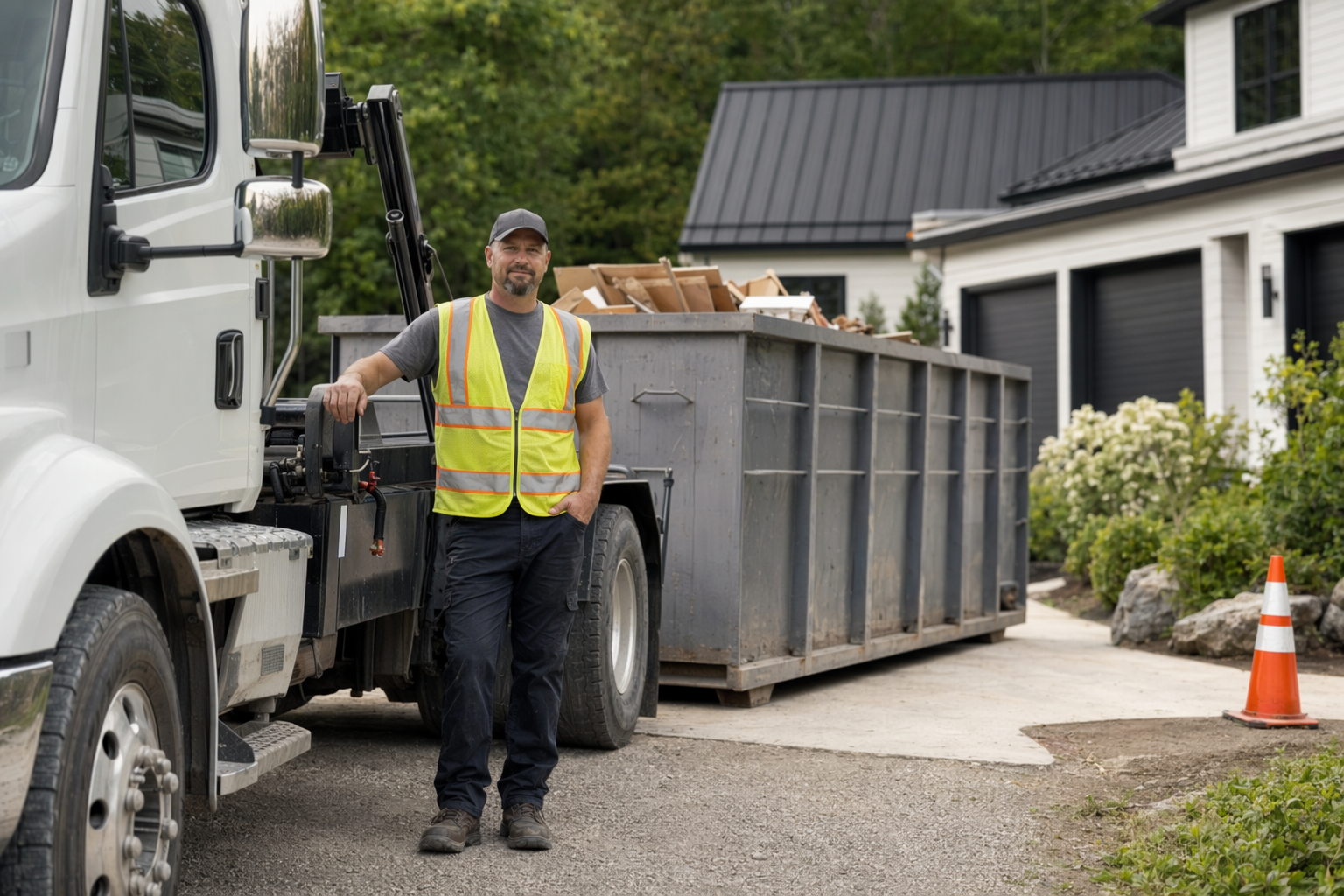
The simplest way to avoid a surprise estate-cleanout bill is to round up on regular junk, keep heavy concrete in a separate small bin, and confirm the full written price before delivery.
Common questions
What size dumpster is usually right for an estate cleanout?
A lot of full-house estate cleanouts end up needing a 30-yard or even 40-yard dumpster, especially if the garage, attic, or yard are involved. Most people underestimate volume, so if you are between sizes, the next size up is often cheaper than renting a second bin.
Should I put concrete and dirt in the same dumpster as furniture and household junk?
Usually no. Concrete, dirt, shingles, and tile are heavy enough to hit weight limits fast, so a separate smaller container for heavy material is often the better plan. Always confirm local rules and weight limits with the hauler.
What surprise fees should I ask about before booking?
Ask about over-tonnage charges, extra-day fees, trip or dry-run fees, and prohibited-item fees. Get the all-in price, the rental period, and the weight allowance in writing before delivery.
Can BinRoute give me a guaranteed price or delivery time?
No. BinRoute is a free matching service, not a dumpster company, so we do not quote, deliver, or haul. Actual price, timing, and availability depend on the local hauler, the container size, your area, and the debris type.
What information do I need to share to get matched?
Just basic contact and project details: your name, phone, optional email, ZIP code, project type, and preferred language. You choose whether to move forward with any local company you speak with.