How we've helped
How a contractor avoided a dry-run fee
This is an anonymized, illustrative story about a small contractor who rented the right roll-off size and avoided a costly “dry-run” trip. It shows the checks you should do before delivery so you don’t pay for surprises.
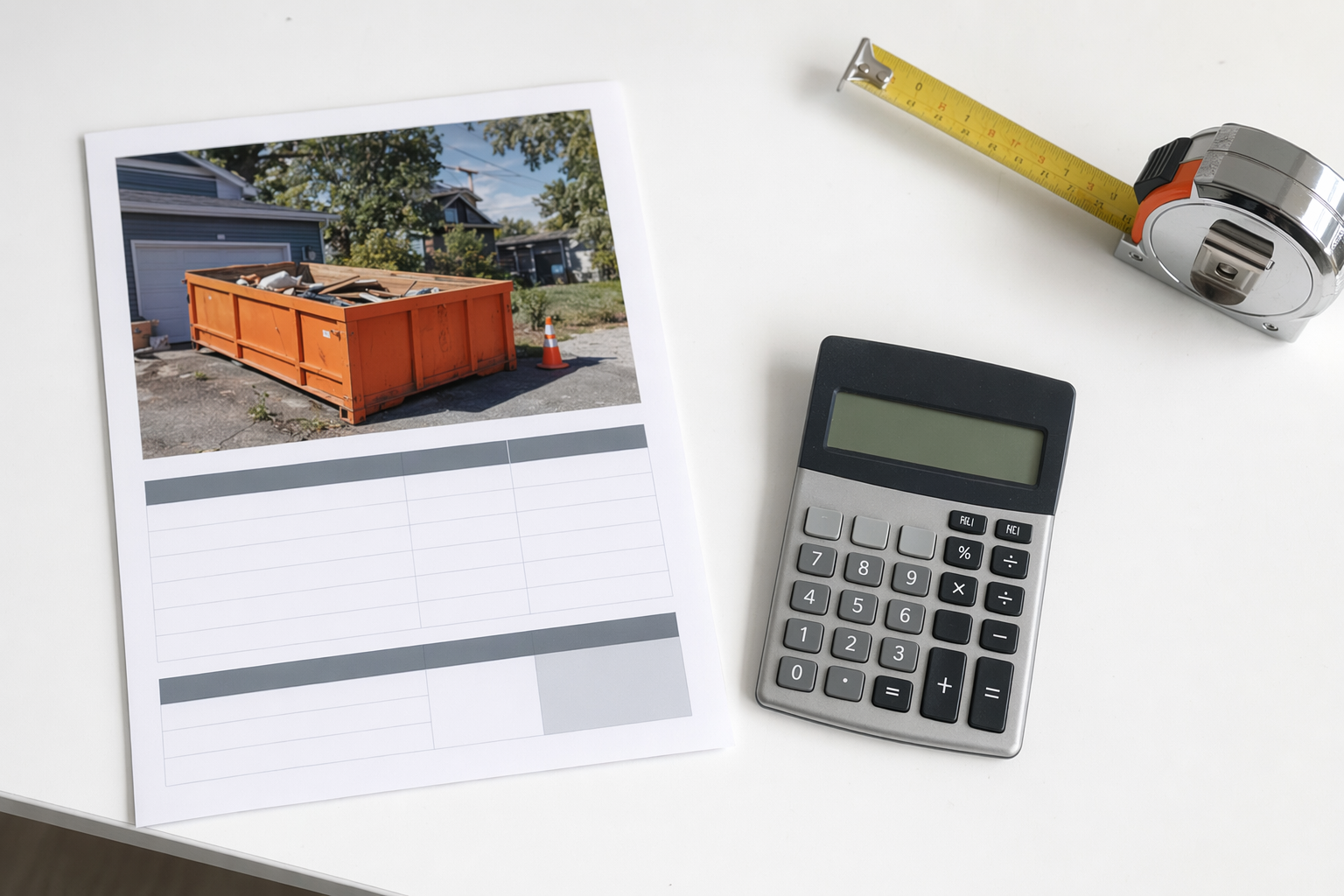
Illustrative story (not a real client): the dry-run problem and the fix
This is an anonymized, illustrative case study—details are simplified, and it’s not a specific named customer. The point is to show what *you* can do to reduce the chance of extra delivery charges when renting a roll-off dumpster.
A small contractor was doing a remodel cleanup and needed a roll-off dumpster dropped off fast. They ordered a bin for “typical debris,” but the hauler’s driver couldn’t confirm placement access right away. In many areas, that can lead to an extra trip or a “dry-run” fee—basically, the truck makes an additional attempt because the driveway/spot isn’t workable as planned.
Instead of guessing, the contractor slowed down for a short planning step: confirm how the truck would enter the property, where the bin would sit, and what could block placement (tight turns, overhead wires, a soft driveway, or a spot that’s too narrow). That one day of prep is often cheaper than paying for an extra truck visit.
- Confirm placement before delivery to lower the chance of an extra trip charge
- Avoid “assume it fits” sizing—over-ordering can cost more, and under-ordering can cause overage fees
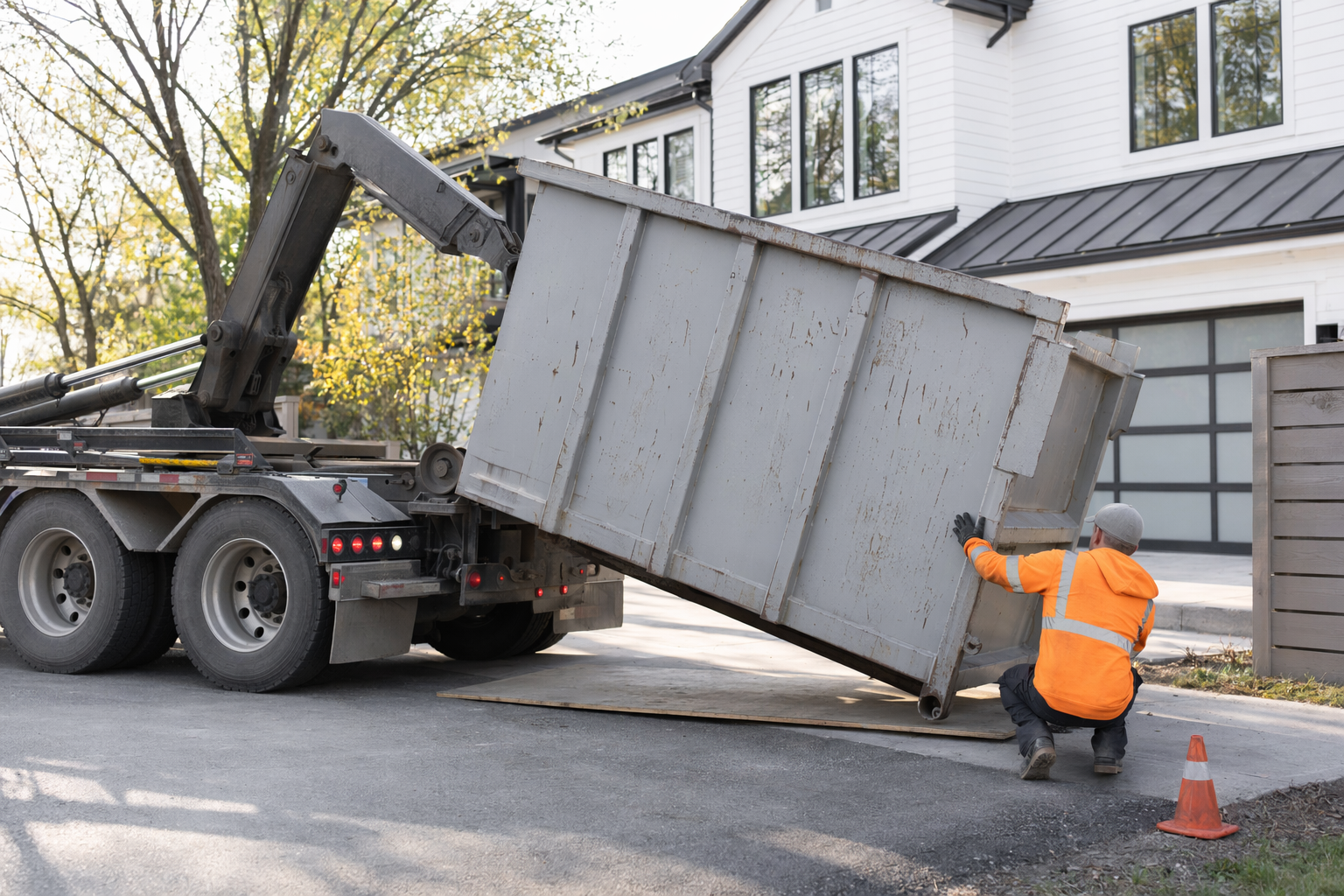
How they sized the dumpster right (and didn’t overfill or underfill)
For a remodel/tear-out, the contractor focused on the debris type and how it packs. Drywall and light demo fill space faster than concrete or dirt, but roofs/shingles/tile tend to weigh a lot even when the pile doesn’t look huge.
They started with the practical yard estimate: roughly how much they had to remove in terms of “pickup-truck loads” and whether the debris would be mostly light (drywall, lumber) or heavy (tile, masonry). Then they chose the bin size that matched the project reality—not just the “average remodel.”
Key takeaway: people almost always under-order. In between sizes, going up to the next size is often less expensive than renting a second bin or paying for overage/extra rental time—especially if the job is changing day-to-day.
What they checked before delivery (the part that helps you skip dry-run fees)
The contractor avoided the dry-run fee by doing a placement check that most people forget until the driver is already outside. They confirmed:
- Truck access (how the driver would approach and turn)
- The exact drop spot (distance from the truck, surface type, and room to set the bin)
- Any blockers like parked cars, gates, fences, or low overhangs
They also made sure the area would handle the bin weight. Even if volume seems fine, heavy debris can cause weight issues quickly, and haulers may enforce weight limits with per-ton overage charges. When a driver can’t safely set the bin, that’s when extra fees and delays can happen.
Before the dumpster arrived, they confirmed the rental terms they were agreeing to—especially the all-in price and how overage or additional visits are charged. The lesson: ask for the “everything” number in writing (rental days + weight allowance + placement + any extra fees).
- Confirm access/placement details with the hauler before delivery
- Get the all-in price in writing: days, weight allowance, and possible overage fees
Cost surprises to watch for (how they prevented overage and extra trips)
Roll-off costs are usually driven by size, rental period, and—big one—weight. Heavy debris (concrete, dirt, shingles, tile, brick) fills bins by weight before it reaches full volume, so the “right” size for heavy materials can be different than you’d expect.
In this example, the contractor also avoided common fee triggers:
- Over-tonnage charges when debris exceeds the hauler’s weight allowance
- Extra-day charges if the rental period runs long
- Trip/dry-run charges if access or placement isn’t workable as expected
- Prohibited-item fees for items the hauler can’t accept
Because the contractor sized the bin with the debris type in mind and confirmed placement up front, they didn’t end up paying for “we had to come back” or “you exceeded the included allowance.” Costs vary by area, but most people can avoid headaches by treating the rental as a plan, not a guess.
- Heavy debris often means weight limits hit sooner than volume limits
- Extra-day, overage, and dry-run/trip fees are the usual surprise categories—confirm them first
How BinRoute helped them get matched with a licensed, insured local hauler
BinRoute is a free matching service—not a dumpster company and not a hauling/disposal provider. The contractor used it to connect with local licensed, insured dumpster-rental options based on their project and ZIP code.
In general, the process is simple: you share contact info and basic project intent (project type + your ZIP + preferred language). You should then confirm the dumpster size, rental period, placement details, and the all-in price with the hauler before delivery.
If you want a smooth rental, start with the checklist: correct size for your debris, placement/access details ready, and an “everything included” price. Then hire the hauler you feel comfortable with—licensed and insured—rather than assuming “whoever shows up cheapest” is always the safest bet.
- Use BinRoute to compare local options—then confirm size, placement, and all-in cost directly with the hauler
Before you rent: a quick checklist to reduce extra fees
Use this before you rent your roll-off. It’s the stuff that most often prevents extra-day, overage, and dry-run/trip charges.
- Size your bin for the debris type (heavy materials can fill by WEIGHT)
- Plan the drop spot: clear access, enough turning room, and a surface that can handle the bin
- Confirm rental period and any included weight allowance
- Ask for the all-in price in writing (including how over-tonnage and extra trips are billed)
- Check what’s prohibited locally—regulated or hazardous waste needs the proper local disposal program
Want the practical overview first? Read how the process typically works on how it works, then get started with a match on get matched. If you prefer more examples, visit stories.
- BinRoute is free to use, but your final confirmations (size, days, placement, price) are still your call
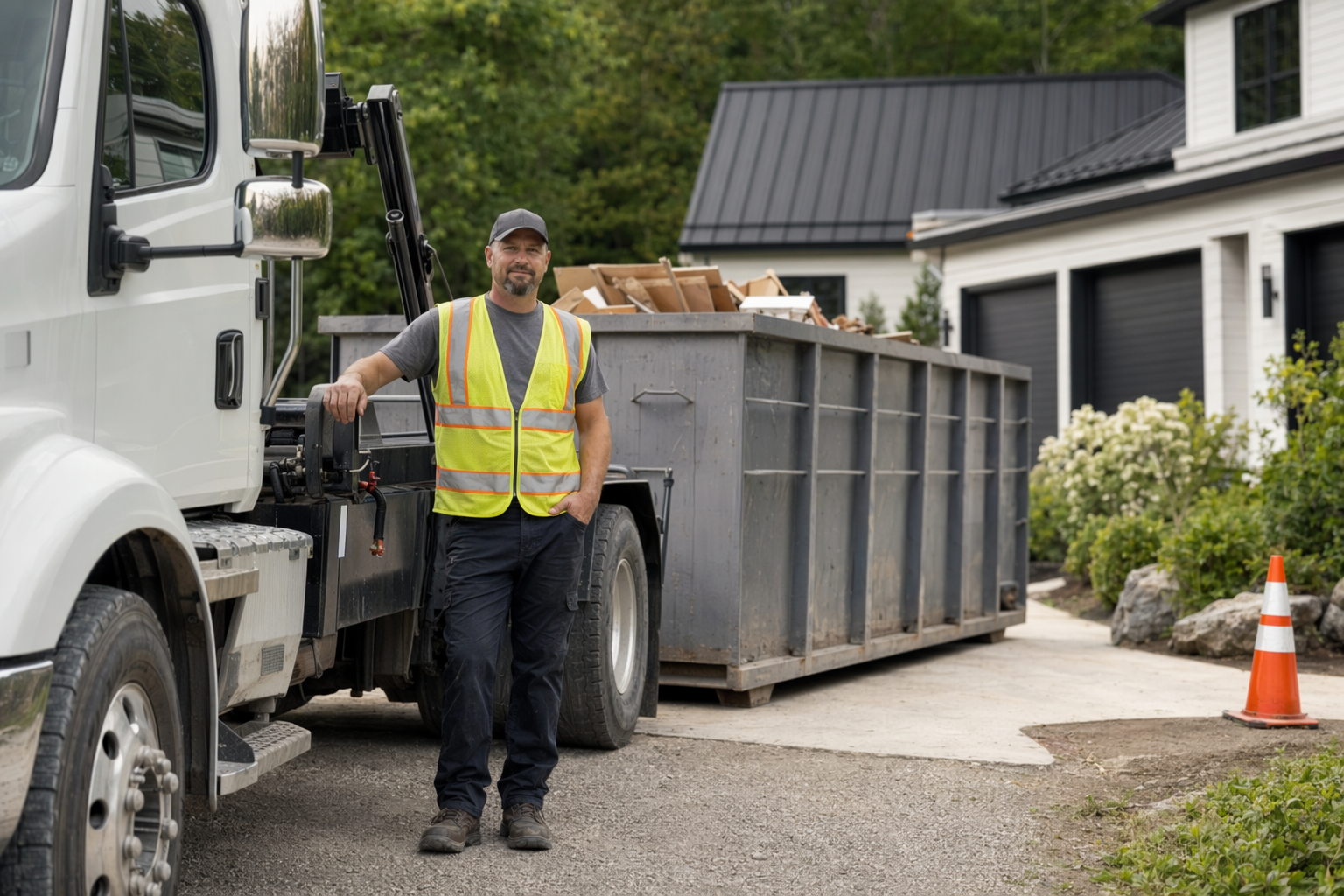
This anonymized example shows that confirming access and exact placement before delivery—and sizing for the real debris type—can help you avoid costly extra-trip (“dry-run”) and overage fees when renting a roll-off dumpster.
Common questions
What is a “dry-run” fee, and how do I avoid it?
A dry-run fee usually happens when the driver has to make an extra attempt because access or placement wasn’t workable as planned. To reduce the risk, confirm the exact drop location and route/turning access before delivery, and ask for the all-in price and how extra trips are charged.
Does renting a bigger dumpster always cost less?
Not always, but in many real jobs, going up to the next size can be cheaper than renting twice or paying overage/extra rental days—especially when people under-order. Heavy debris can also require different sizing because weight limits fill up sooner than volume.
What should I ask the hauler about cost before the dumpster shows up?
Ask for the all-in price in writing, including the rental days, the weight/tonnage allowance, and what you’ll pay for over-tonnage, extra days, and any extra trips or prohibited-item fees. Costs and rules vary by area, so confirm details locally.