Sizes
Concrete and heavy-debris dumpster rental
Concrete, dirt, brick, and tile are different from regular junk. They get heavy fast, so the right rental is usually a small dedicated clean-fill dumpster, not a big mixed-debris bin.
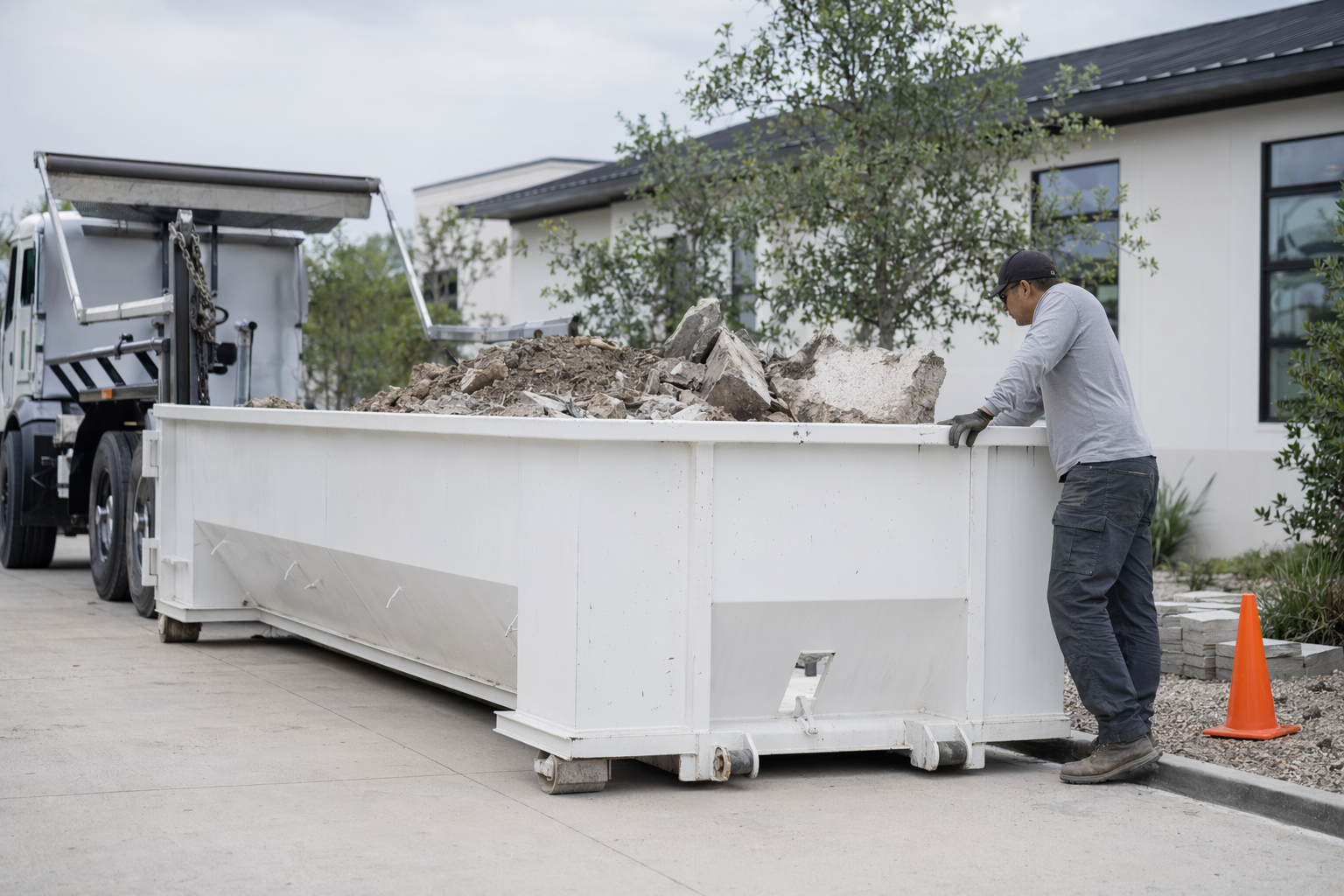
What size heavy-debris dumpster do you actually need?
For concrete and other heavy material, bigger is usually not better. A 10-yard dumpster is the most common choice, and in some areas haulers also offer 5-yard, 7-yard, or other small low-boy boxes made for clean fill. The reason is simple: concrete, dirt, brick, block, asphalt, gravel, and tile can hit the weight limit long before the container looks full.
A 10-yard box holds about 10 cubic yards, roughly 3 to 5 pickup-truck loads by volume. Typical dimensions are often around 12 to 14 feet long, 7 to 8 feet wide, and 3 to 4 feet tall, but sizes vary by hauler. For heavy debris, the lower wall height matters because it is easier to load with a wheelbarrow, skid steer, or by hand.
As a rough guide, a small patio tear-out, short walkway, a bathroom tile demolition, or a limited dirt removal job often fits a heavy-debris 10-yarder. A full driveway, large slab, deep excavation, or major masonry job may need multiple small containers swapped out instead of one large box.
Most people under-order regular junk dumpsters, but heavy debris is the exception to the usual "go bigger" rule. For concrete and dirt, use a smaller dedicated container and plan on multiple hauls if needed. That is usually the legal and cheaper way to handle clean fill.
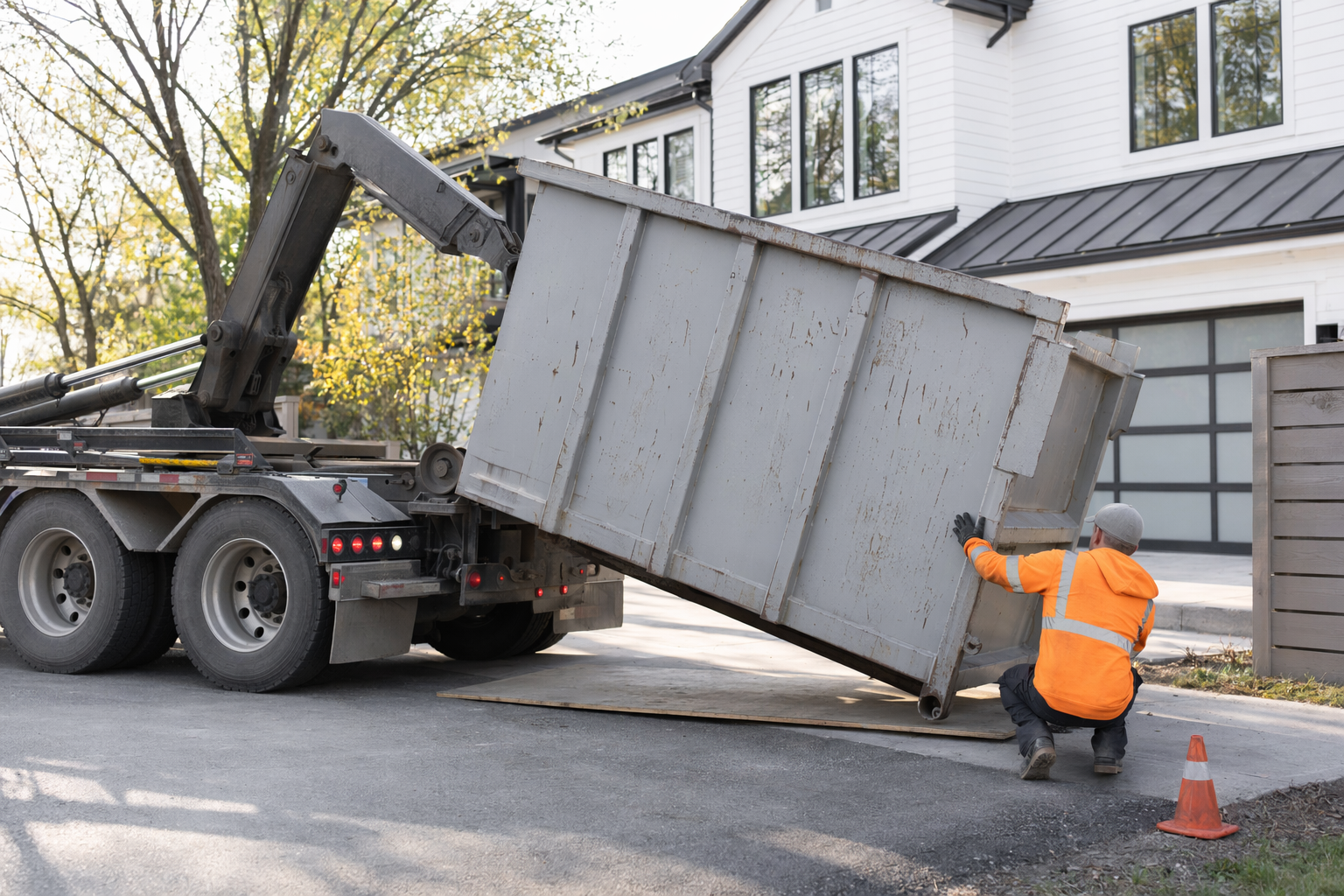
What can go in a concrete or clean-fill dumpster?
The best version of this rental is a dedicated clean-fill dumpster. That usually means one heavy material only, or a short list of approved inert material such as concrete, brick, block, dirt, asphalt, rock, sand, gravel, or tile. Some haulers allow certain materials to be mixed together, and some do not. You must confirm locally before delivery.
Clean loads matter because disposal rules and pricing are different when a load can be recycled or taken as clean fill. If you toss in trash, wood, plastic, carpet, insulation, rebar-heavy debris, or bagged household junk, the hauler may reclassify the load as mixed construction debris. That can raise the price fast.
Ask very directly: Is this concrete only, or can I mix brick, dirt, and tile? Is rebar allowed? Can I include wire mesh? Does the material need to be clean, with no trash stuck to it? Get that in writing before the dumpster shows up.
For hazardous, medical, or other regulated waste, use the proper local disposal program. BinRoute gives general information only and is a free matching service, not a hauling company or disposal site.
Weight limits are the whole game with concrete and dirt
A regular 20-yard or 30-yard dumpster may look tempting, but with concrete that can become an overweight problem very quickly. Heavy material fills a bin by weight before volume. That is why haulers often restrict concrete and dirt to smaller boxes with a specific tonnage allowance.
A typical heavy-debris container may include something like 2 to 10 tons, depending on the box size, the material, the truck, the local landfill or recycling yard, and the hauler's rules. That range is general information, not a quote. The exact allowance varies by area and company, and it needs to be confirmed before you book.
If you go over the included tonnage, the common extra charge is an over-tonnage fee charged per ton over the allowance. On a heavy load, that can be one of the biggest surprise costs. Also ask whether the truck can safely pick up the box if the material is wet, densely packed, or loaded above the fill line.
The practical move is to tell the hauler exactly what material you have, how much of it there is, and whether it is clean fill or mixed debris. If you are between options, do not guess. Confirm the allowed material, tonnage, and loading rules first.
Honest cost range for concrete and heavy-debris dumpsters
In many parts of the United States, a small dedicated concrete or heavy-debris dumpster often runs about $300 to $800. In higher-cost areas, for cleaner recyclable concrete, or where disposal is expensive, it can run higher. In some markets, very small boxes can come in lower. These are general ranges only, not quotes.
What moves the price up or down: the dumpster size, your area, the rental period, the included tonnage, the exact material, whether the load is clean or mixed, and how many hauls the job needs. Dirt, wet soil, brick, and mixed masonry can price differently from plain broken concrete. A box that includes recycling-friendly clean concrete may be priced differently than one going as mixed C&D debris.
Watch for the common surprise fees: over-tonnage fees per ton over the allowance, extra-day fees if you keep the box longer than the rental period, trip or dry-run fees if the driver cannot safely drop off or pick up the container, and prohibited-item fees if trash or unapproved material is in the load. Ask for the all-in price in writing before delivery.
If you want a broader look at pricing, costs explains what changes dumpster pricing from one job to the next. The real number depends on your local area and the exact debris.
Placement, permits, and loading rules to confirm first
Heavy dumpsters need solid placement. A concrete box on a driveway or paved area puts a lot of weight in one spot, especially when loaded. Tell the hauler where you want it placed and ask what surface is acceptable. If you are concerned about the driveway, ask whether boards are allowed under the contact points and whether the truck needs extra clearance.
If the dumpster will sit on a public street, you may need a permit, and the rules vary by city, county, and neighborhood. Sometimes the customer handles the permit, sometimes the contractor does, and sometimes the hauler can explain the local process. Confirm locally before delivery because street placement rules are not the same everywhere.
Do not load above the top rail. Keep the material level enough for safe pickup, and do not assume the driver can take an overloaded box. For concrete and dirt, the box may need to stay partially full even when it still looks like it has space.
For project-specific help, projects can help you think through the debris type and job size. General service options are also outlined at services.
How to get matched with a local hauler through BinRoute
BinRoute is a free matching service. We do not rent, deliver, haul dumpsters, or dispose of waste. We help you get connected with licensed, insured local dumpster-rental and hauling companies, and you choose who to hire.
To get matched, you share basic contact and project-intent details only: name, phone, optional email, project type, ZIP code, and preferred language. Then you can talk with a local company about the exact material, the size, the rental period, the tonnage allowance, placement, and the all-in price.
Before you say yes to any dumpster, confirm these points:
- Is this box for concrete only, or for mixed heavy debris?
- What size is the container, and what are the approximate dimensions?
- What tonnage is included?
- What is the over-tonnage fee per ton?
- How many days are included?
- Are there extra-day, trip, dry-run, or prohibited-item fees?
- Can it go on my driveway or street, and do I need a permit?
- Is the company licensed and insured for my area?
When you're ready, start at get matched. The customer stays in control: you confirm the details and the price before the dumpster is delivered.
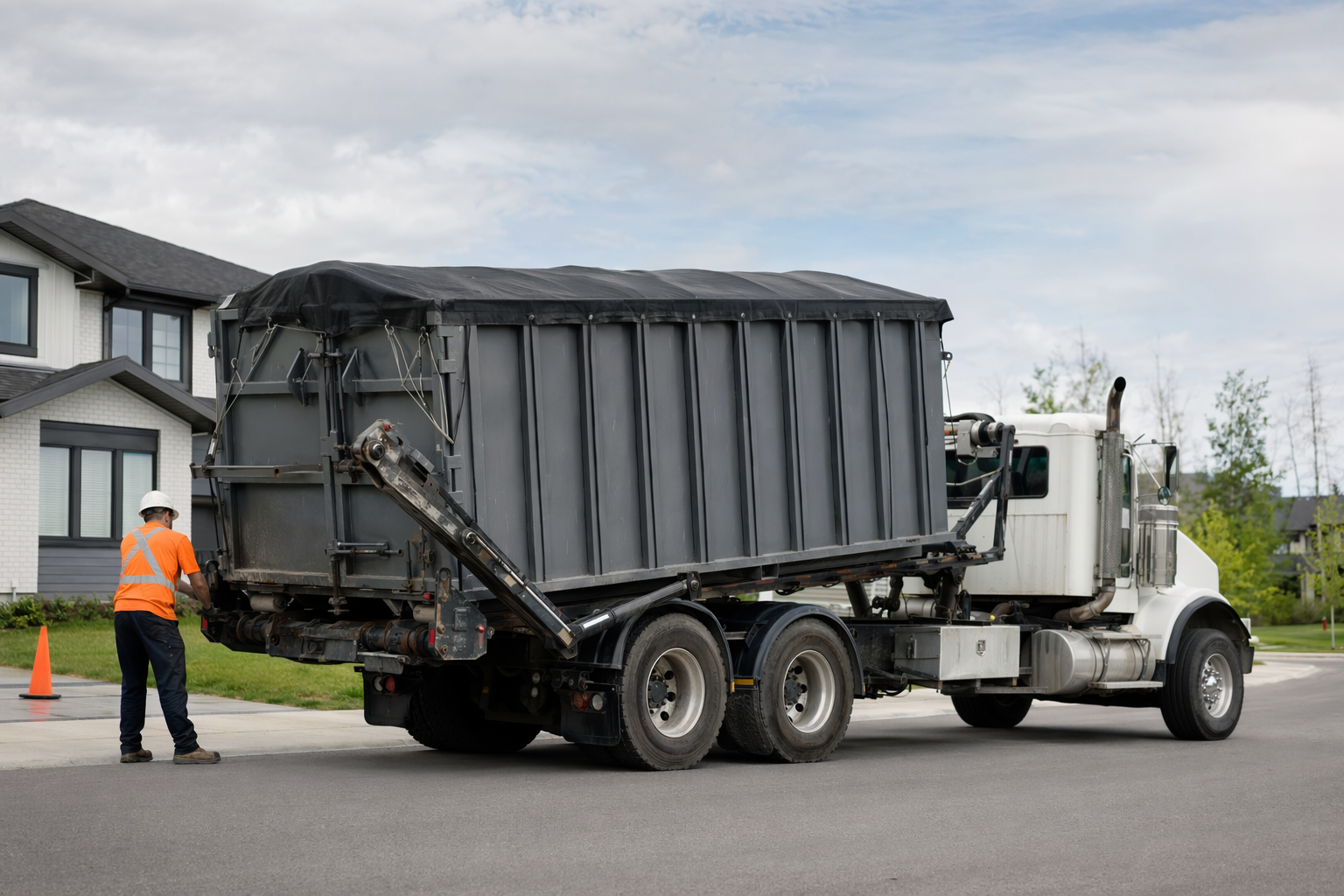
For concrete, dirt, brick, and tile, rent a small dedicated clean-fill dumpster, verify the weight allowance and all fees up front, and use BinRoute free to get connected with a licensed local hauler.
Common questions
Can I put concrete in a regular 20-yard dumpster?
Usually that is not the best choice. Concrete is so heavy that most haulers want it in a smaller dedicated container with a specific tonnage allowance, but the exact rule depends on the local company and disposal site.
How much concrete fits in a 10-yard dumpster?
By volume, it holds 10 cubic yards, but with concrete the real limit is weight, not space. The safe amount depends on the hauler's tonnage allowance and local rules, so confirm before loading.
Can I mix dirt, brick, and concrete in one dumpster?
Sometimes yes, sometimes no. Some haulers allow certain clean-fill materials together, while others require concrete-only or separate loads, so ask exactly what is allowed in your area.
What does a concrete dumpster usually cost?
A common general range is about $300 to $800 for a small dedicated heavy-debris box, but that is not a quote. The real price depends on the size, area, rental period, included tonnage, and the exact material.
Do I need a permit for a concrete dumpster?
Maybe. If it goes on a public street, a permit is often required, but the rules vary by city and neighborhood, so confirm locally before delivery.
Does BinRoute rent dumpsters directly?
No. BinRoute is a free matching service that connects you with local haulers; we do not rent, deliver, haul, or dispose of dumpsters or debris.