Sizes
40-yard roll-off dumpster
A 40-yard roll-off is the biggest common dumpster most homeowners and small contractors will rent. It works for big, bulky jobs, but it is not the right choice for heavy debris like concrete, dirt, or shingles.
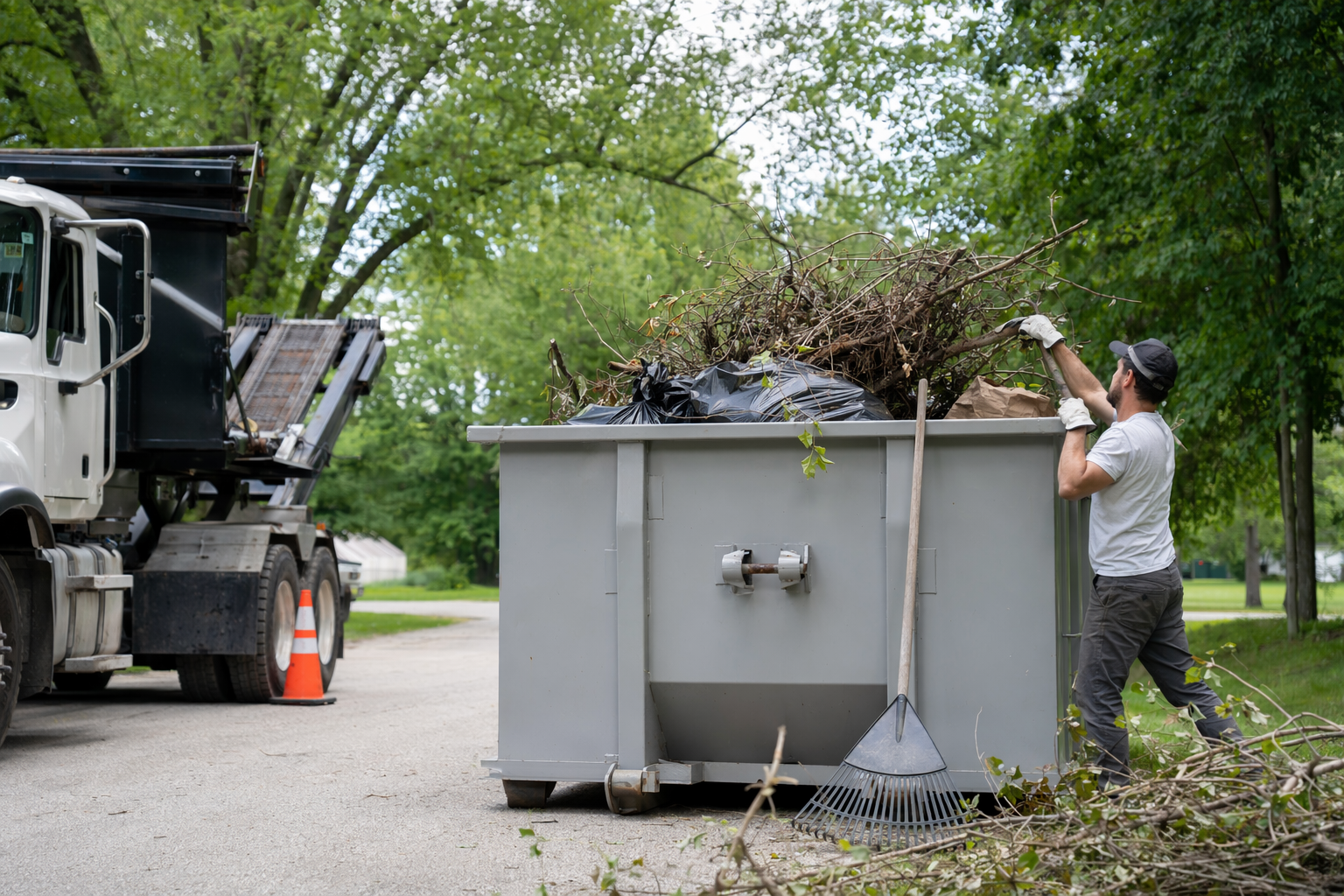
What a 40-yard dumpster fits best
A 40-yard roll-off dumpster is built for large-volume jobs. Think major home cleanouts, full-gut remodels, large additions, commercial cleanups, warehouse junk removal, or construction and demolition debris that takes up a lot of space but is not extremely heavy.
In plain terms, 40 cubic yards is about 12 to 16 pickup-truck loads, depending on how the truck is loaded. That is why this size is usually chosen for big projects where a smaller bin would fill too fast.
Typical outside dimensions are around 22 feet long, 8 feet wide, and 8 feet high, but exact measurements vary by hauler and truck. Always confirm the actual size if space is tight in your driveway, jobsite, alley, or loading area.
Most people under-order on big jobs. If your debris is bulky and light-to-medium weight, moving up from a 30-yard to a 40-yard dumpster is often cheaper than filling one bin early and needing a second haul.
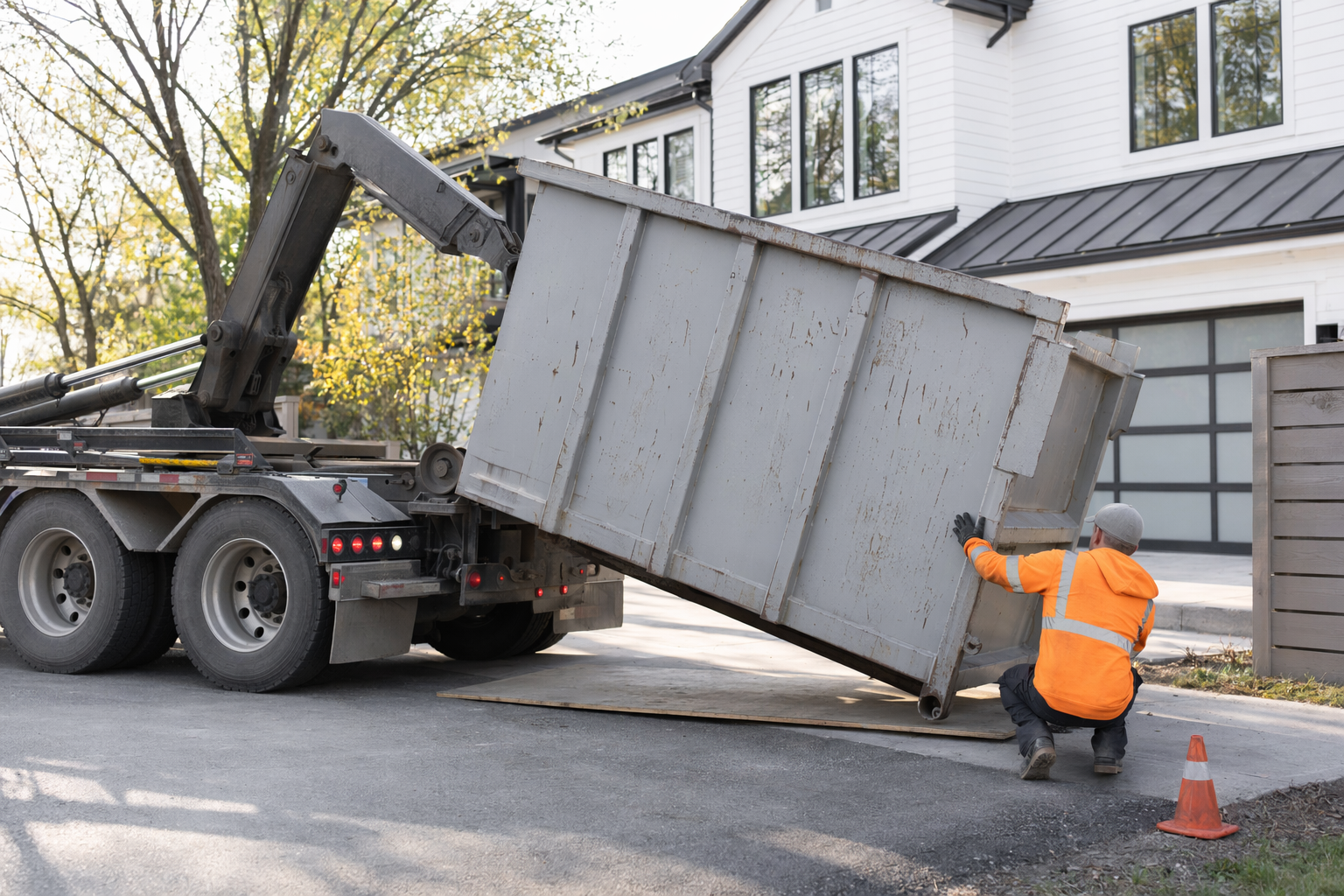
What can go in one — and what should not
A 40-yard dumpster is best for bulky debris: framing lumber, drywall, flooring, cabinets, siding, furniture, packaging, non-hazardous construction debris, and general junk from a large cleanout. It is made for volume.
What it is not good for is very heavy material. Concrete, dirt, brick, asphalt, sand, roofing shingles, and tile can make a big container too heavy to haul legally even when it is only partly full. For those materials, a smaller dedicated heavy-debris container is usually the right move.
You also cannot assume everything is allowed. Commonly restricted or prohibited items include paint, solvents, chemicals, fuel, propane tanks, batteries, tires, asbestos-containing material, medical waste, and other hazardous or regulated waste. Rules vary by area and by hauler, so confirm locally before loading. For hazardous, medical, or regulated waste, use the proper local disposal program.
- Best for: big cleanouts, demolition debris, commercial junk, large remodels
- Usually not best for: concrete, dirt, brick, shingles, tile, or other dense debris
- Always ask for the prohibited-item list before delivery
Typical weight allowance on a 40-yard dumpster
A 40-yard dumpster may look huge, but the real limit is often weight, not space. Many local haulers include a weight allowance somewhere around 4 to 6 tons, sometimes more, sometimes less. The exact allowance depends on the company, the landfill, local road rules, and the type of debris.
That matters because large, heavy loads can trigger over-tonnage charges. Those fees are usually billed per ton over the included allowance. A bin that still has empty space can still be overweight.
Ask two questions before you book: how many tons are included, and what is the overage charge per ton if you go over. Get both in writing. On a 40-yard dumpster, that question can make a real difference in the final bill.
Also remember that debris normally cannot be loaded above the top rail. Even if there is room to stack higher, the driver may not be able to haul it safely or legally.
Honest 40-yard dumpster cost range
In many parts of the United States, a 40-yard roll-off dumpster often runs about $550 to $1,100 for a standard rental. In some higher-cost areas or for certain debris types, it can be more. That range is general information only, not a quote.
The real price depends on five big things: your area, the rental period, the tonnage included, the debris type, and whether the hauler expects a simple drop-off and pickup or a harder jobsite delivery. Heavy material, longer rentals, and higher disposal costs usually push the number up.
Watch for the surprise fees people miss: over-tonnage charges, extra-day fees, trip or dry-run fees if the driver cannot place or pick up the bin, and prohibited-item fees if banned material is found. Ask for the all-in price in writing before the dumpster is delivered.
If you want a broader look at pricing, see dumpster rental costs. Just remember that local pricing can vary a lot.
Do you need a permit or special placement?
If the dumpster goes on private property, like a driveway or jobsite, you may not need a street permit. If it will sit on a public street, alley, sidewalk area, or other public right-of-way, a permit may be required. Who handles that varies by city and sometimes by hauler.
This is worth checking early, especially for a 40-yard container. It is long, tall, and heavy, so placement matters. Make sure there is enough room for the dumpster itself plus the truck to deliver and pick it up.
You should also think about surface protection, gate clearance, overhead wires, tree limbs, parked cars, and whether the site stays accessible on pickup day. Rules and permit responsibility vary by area, so confirm locally with the city and the hauler.
How to get matched with a local hauler
BinRoute is a free matching service. We do not rent, deliver, haul dumpsters, or dispose of waste. We help you get connected with licensed, insured local dumpster-rental and hauling companies so you can compare your options.
You can start at our dumpster services page or get matched. We only collect basic contact and project-intent details: name, phone, optional email, project type, ZIP code, and preferred language.
Before you hire anyone, confirm the dumpster size, the rental period, the tonnage allowance, the placement plan, and the all-in price. Ask whether the company is licensed and insured, and verify it if needed. You stay in control of who you hire and what you agree to.
If you are still comparing job types and container sizes, project guides can help you narrow it down.
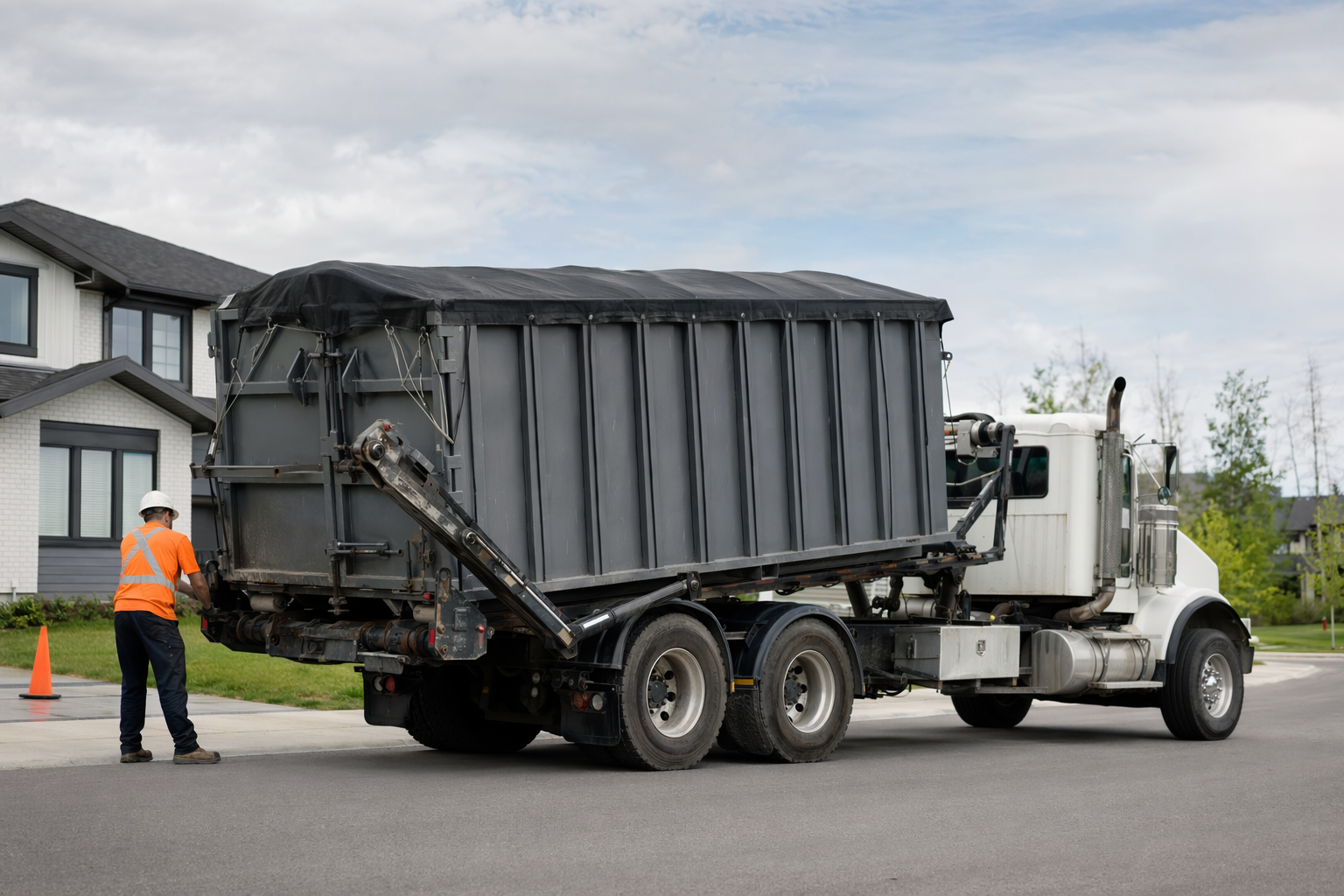
A 40-yard dumpster is for big, bulky jobs, not heavy debris, so check the weight allowance and all-in price before you book.
Common questions
How big is a 40-yard roll-off dumpster in real life?
Most are about 22 feet long, 8 feet wide, and 8 feet high, though dimensions vary by hauler. It is a very large container, so measure your space before scheduling delivery.
How much stuff fits in a 40-yard dumpster?
A 40-yard dumpster holds 40 cubic yards of material, which is roughly 12 to 16 pickup-truck loads. It is meant for large, bulky jobs rather than small cleanup projects.
Can I put concrete or dirt in a 40-yard dumpster?
Usually that is not the best choice. Concrete, dirt, brick, and similar debris are so heavy that a large bin can become too heavy to haul, so a smaller dedicated heavy-material container is usually safer and cheaper.
What does a 40-yard dumpster usually cost?
A common general range is about $550 to $1,100, but that is not a quote. The real number depends on your area, rental period, weight allowance, and the type of debris.
How long can I keep a 40-yard dumpster?
Many rentals include a set period such as a few days to a week, but this varies by hauler. Extra days often cost more, so confirm the rental window before delivery.
Do I need a permit for a 40-yard dumpster?
Maybe. If it goes on a public street or other public space, a permit is often required, but local rules vary. Check with your city and the hauler before delivery.
Does BinRoute rent 40-yard dumpsters directly?
No. BinRoute is a free matching service, not a hauling company. We help connect you with local licensed, insured haulers so you can compare options.