Sizes
30-yard roll-off dumpster
A 30-yard roll-off is the workhorse size for big cleanouts and major remodeling. It holds a lot, but weight limits still matter, especially with shingles, tile, dirt, concrete, and other heavy debris.
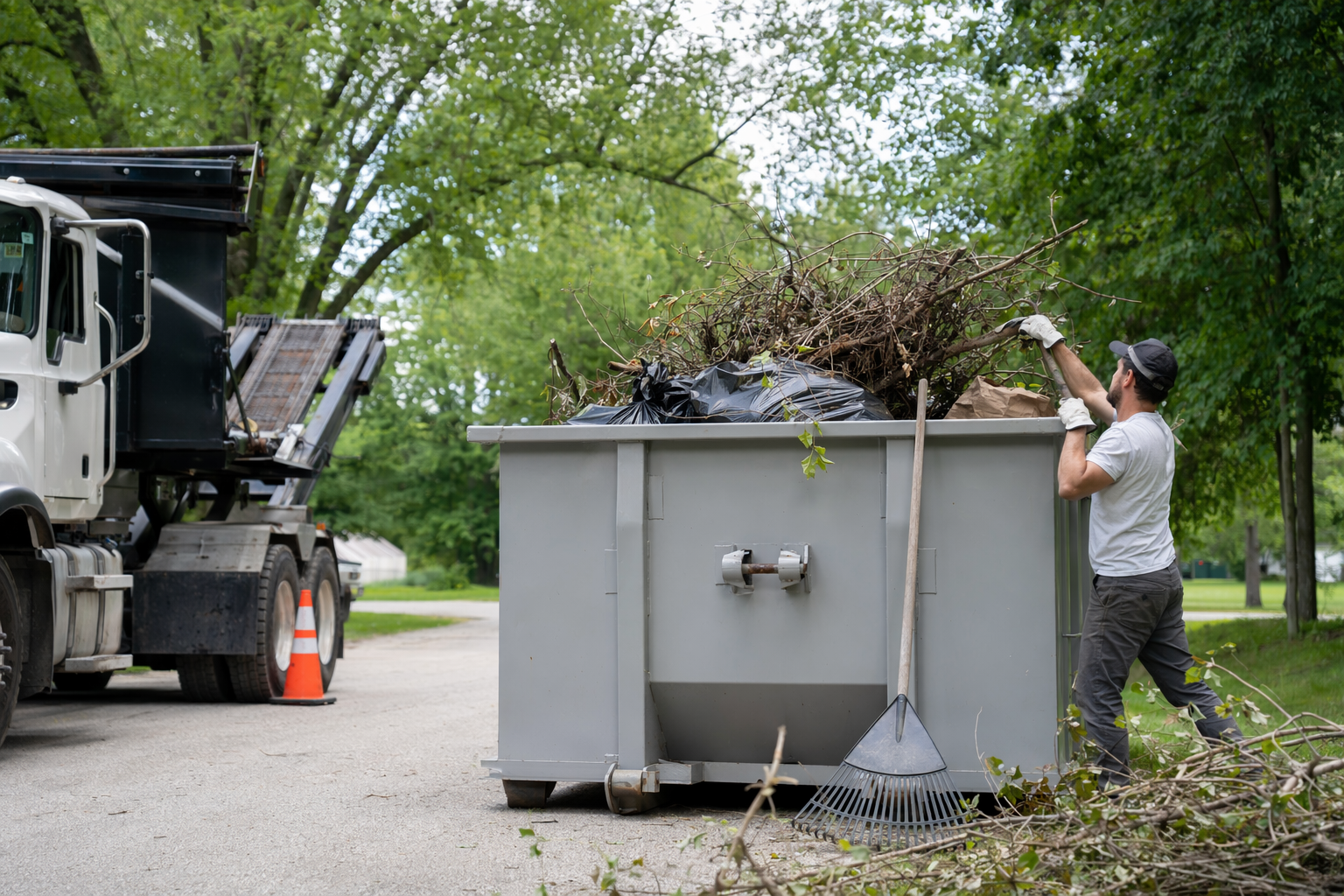
What a 30-yard dumpster is good for
A 30-yard roll-off dumpster is usually the right call for a large home cleanout, a big renovation, a multi-room remodel, a major roofing tear-off, or a construction job that will create steady debris for several days. It is one of the most common "big but not enormous" sizes.
In plain terms, 30 cubic yards is about 9 to 12 pickup-truck loads, depending on how high those loads are piled. That is enough room for bulky junk, drywall, flooring, cabinets, wood, siding, and mixed construction debris from a larger job.
This size is often a smart middle ground when a 20-yard feels tight but a 40-yard seems excessive. Most people under-order. If you are between a 20 and a 30, the 30 is often cheaper than filling a smaller bin and needing a second one later.
It is not always the best choice for very heavy material. Concrete, dirt, brick, asphalt, tile, and shingles can hit the weight limit long before a 30-yard container looks full, so those jobs often need a smaller dedicated heavy-debris bin instead.
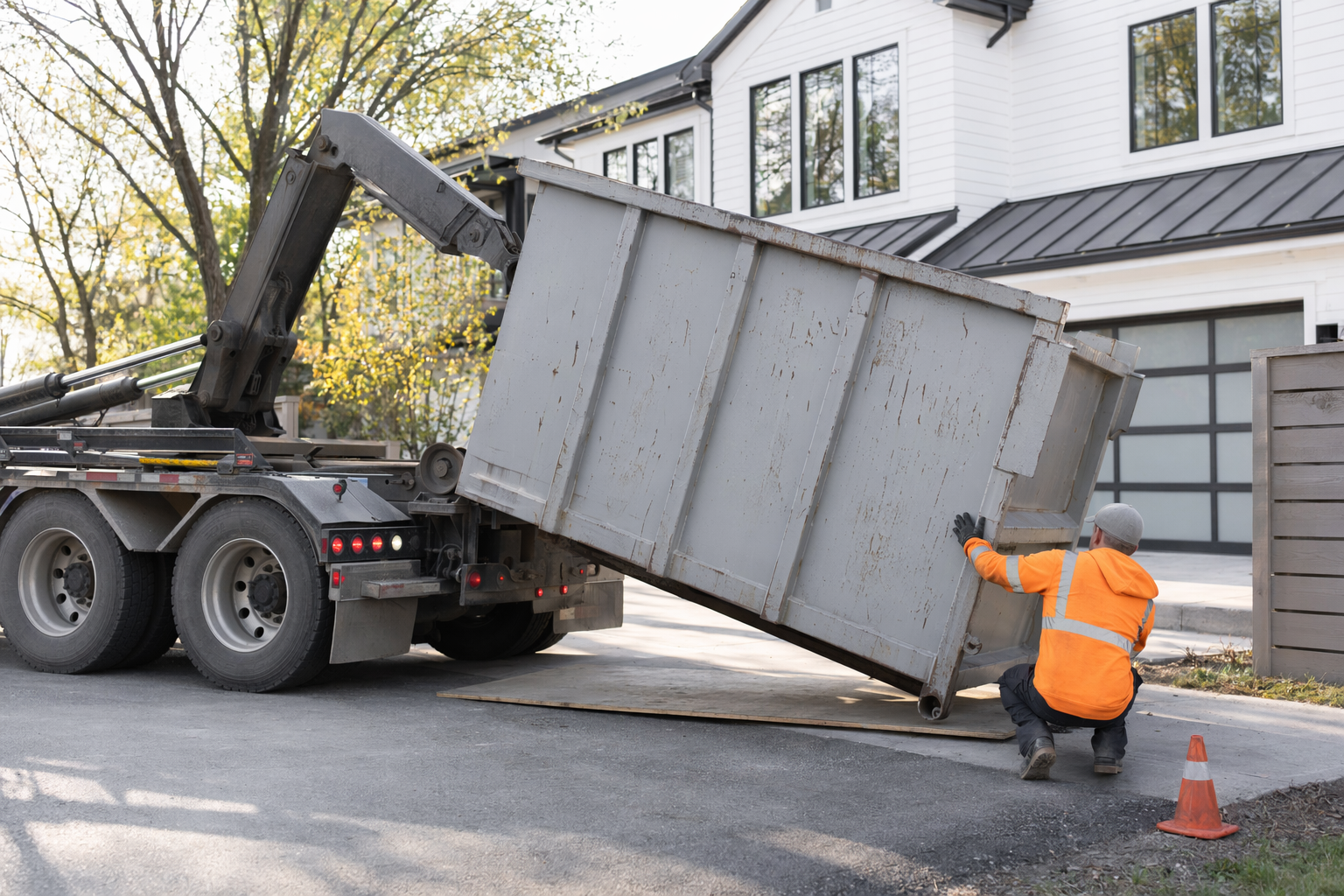
What fits inside a 30-yard roll-off
A 30-yard dumpster can usually handle the debris from a whole-house cleanout, a large estate cleanout, a full kitchen plus several bathrooms, a large deck removal, or a substantial remodeling project. It is also common on new-build and commercial jobs where debris builds up over time.
Typical examples include furniture, mattresses, carpet, drywall, wood, trim, doors, cabinetry, non-hazardous household junk, yard debris, and general construction debris. For roofing, this size may work for larger tear-offs, but shingle weight matters a lot, so always confirm locally before ordering.
A common mistake is loading bulky items inefficiently. Break down cabinets, cut long lumber if allowed, flatten boxes, and load flat and even. You usually cannot load debris above the top rail of the dumpster, so how you stack material matters almost as much as the container size.
Some items are commonly restricted or charged extra by many haulers, such as tires, TVs, refrigerators, paint, chemicals, batteries, propane tanks, asbestos-containing material, medical waste, and other regulated waste. Rules vary by area and by hauler, so confirm exactly what is allowed before delivery. For hazardous, medical, or regulated waste, use the proper local disposal program.
Typical dimensions and weight allowance
A 30-yard roll-off is commonly around 22 feet long, 8 feet wide, and 6 feet high, though exact dimensions vary by truck, box style, and local hauler. The width is usually about the same as other roll-off sizes; the extra capacity often comes from added height.
That size means you need real space for delivery and pickup. You usually want a flat, accessible spot with room for the truck to roll the container off safely. If the dumpster is going on a driveway, ask about surface protection. If it needs to go on a street or public right-of-way, permit rules may apply depending on your city or county.
Typical weight allowances for a 30-yard dumpster often fall around 3 to 5 tons, sometimes more, sometimes less. That is roughly 6,000 to 10,000 pounds included before overage charges may start. The exact allowance depends on the hauler, the local landfill or transfer station, and the type of debris.
This is where people get surprised. A 30-yard container has a lot of volume, but not unlimited weight. Mixed remodeling debris is one thing; shingles, plaster, tile, dirt, and masonry are another. Always confirm the included tonnage and the per-ton overage charge before you book.
Honest 30-yard dumpster cost range
In many parts of the United States, a 30-yard roll-off dumpster often runs about $450 to $850 for a standard rental, but that is a general range, not a quote. In some areas it may be lower, and in higher-cost markets or heavier jobs it can run higher.
The real price depends on the size, your area, the rental period, the weight allowance, and the debris type. A 30-yard for light household junk may price differently than a 30-yard for roofing or dense construction debris. Local disposal costs make a big difference.
Ask for the all-in price in writing before delivery. Specifically ask about the included rental period, the included tonnage, over-tonnage charges per ton, extra-day fees, trip or dry-run fees if the driver cannot drop or pick up the container, and prohibited-item fees. Those are the surprise charges that catch people.
If you want a broader picture of pricing, see dumpster rental costs. Just remember: published ranges help you spot an overcharge, but they are not guaranteed prices.
When a 30-yard is the right size — and when it is not
A 30-yard is usually right when the job is too large for a basic garage cleanout but not quite a giant commercial-scale haul. Good fits include large remodels, big downsizing jobs, estate cleanouts, whole-home flooring removal, major siding replacement, and ongoing debris from a build or demolition phase.
It may be too much for a small bathroom remodel, a few pieces of furniture, or a single-room cleanup. In those cases, paying for a large box can be unnecessary. On the other hand, if you are gutting a large home or handling a very bulky demolition job, a 40-yard may make more sense.
For heavy clean fill like concrete, dirt, brick, and sometimes shingles, bigger is not better. A smaller container is often required or strongly recommended because the truck has to haul it legally and safely. That is why heavy debris jobs should be described clearly when you ask for pricing.
If you are comparing options for a remodel, cleanout, roofing, or construction project, the guides in projects and services can help you narrow it down.
How to get matched with a licensed local hauler
BinRoute is a free matching service. We do not rent, deliver, haul, or dispose of dumpsters. We help you get connected with licensed, insured local dumpster-rental and hauling companies so you can compare your options and choose who to hire.
To get matched, you share basic contact and project details only: your name, phone, optional email, project type, ZIP code, and preferred language. Then you can talk directly with local providers about size, placement, rental period, tonnage, and price.
Before you agree to anything, confirm these points:
- dumpster size
- debris type
- rental period
- included weight allowance
- overage charge per ton
- placement location
- permit responsibility if needed
- all-in price in writing
- whether the hauler is licensed and insured
Start here: get matched. You stay in control of the final decision, and the service is free for you.
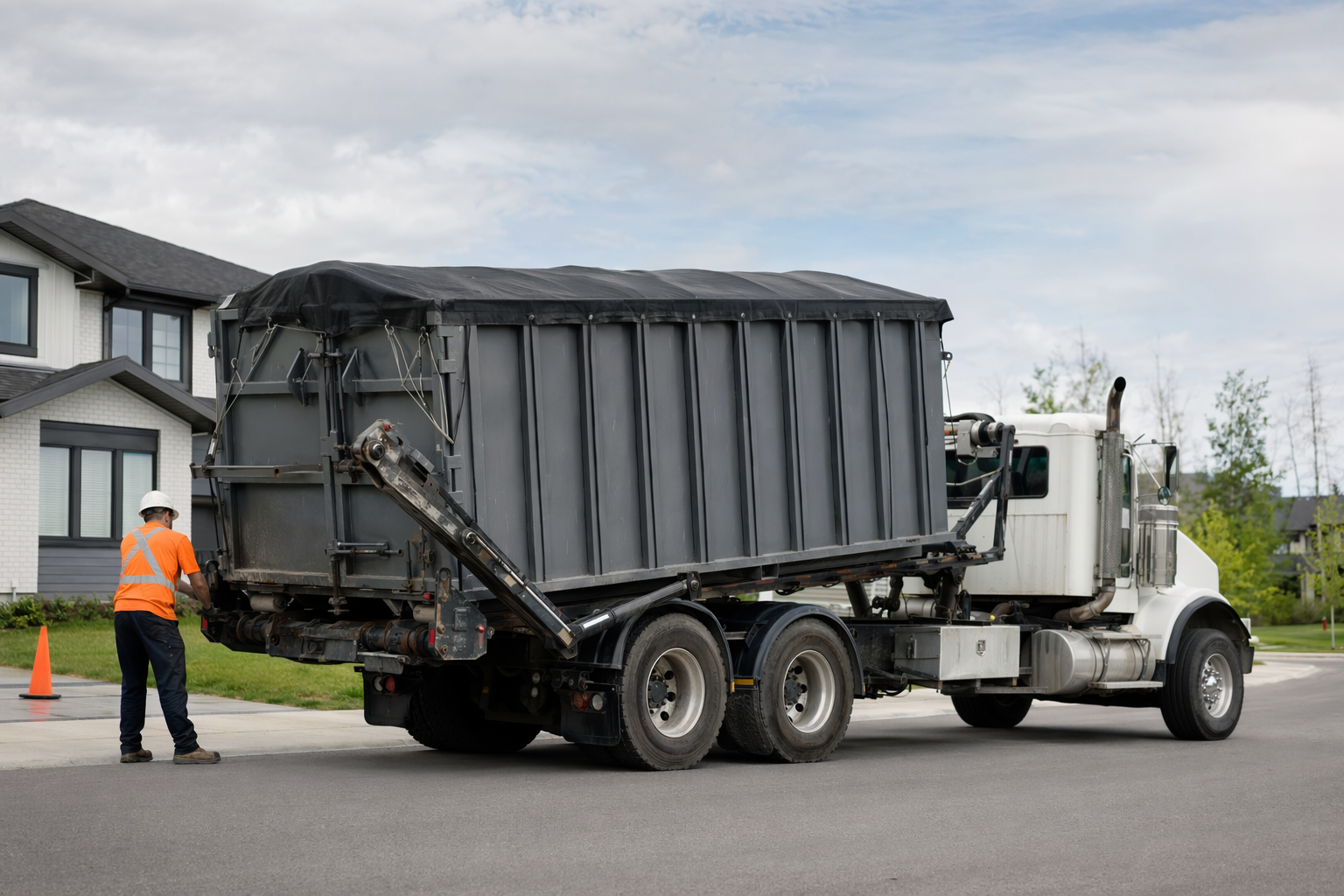
A 30-yard dumpster is a solid choice for big cleanouts and major remodels, but the smart move is to confirm the weight allowance and full price before it shows up.
Common questions
How much can a 30-yard dumpster hold?
It holds 30 cubic yards of material, which is roughly 9 to 12 pickup-truck loads. But heavy debris can hit the weight limit before the container looks full.
What is a 30-yard dumpster best for?
It is commonly used for large home cleanouts, major remodels, estate cleanouts, large deck removals, and ongoing construction debris. It is a strong middle-ground choice for bigger jobs.
How much does a 30-yard roll-off dumpster cost?
A common general range is about $450 to $850 for a standard rental, but that is not a quote. The real number depends on your area, rental period, included tonnage, and the type of debris.
Can I put concrete or dirt in a 30-yard dumpster?
Usually that is not the best plan unless the hauler specifically allows it. Concrete, dirt, brick, and similar materials are very heavy, so a smaller dedicated heavy-debris container is often the right choice.
Do I need a permit for a 30-yard dumpster?
Maybe. If the dumpster goes on private property like a driveway, a permit is often not required, but local rules vary. If it goes on a street or public right-of-way, permits are more common, so confirm locally.
What should I ask before I rent one?
Ask for the all-in price, included rental days, included weight, overage charges per ton, prohibited items, placement requirements, and whether the hauler is licensed and insured. Get those details in writing before delivery.