Sizes
10-yard roll-off dumpster
A 10-yard roll-off is the small workhorse of dumpster rentals: good for small cleanouts, one-room remodels, and heavy materials like concrete or dirt. The trick is knowing what fits, what weighs too much, and what the real price includes.
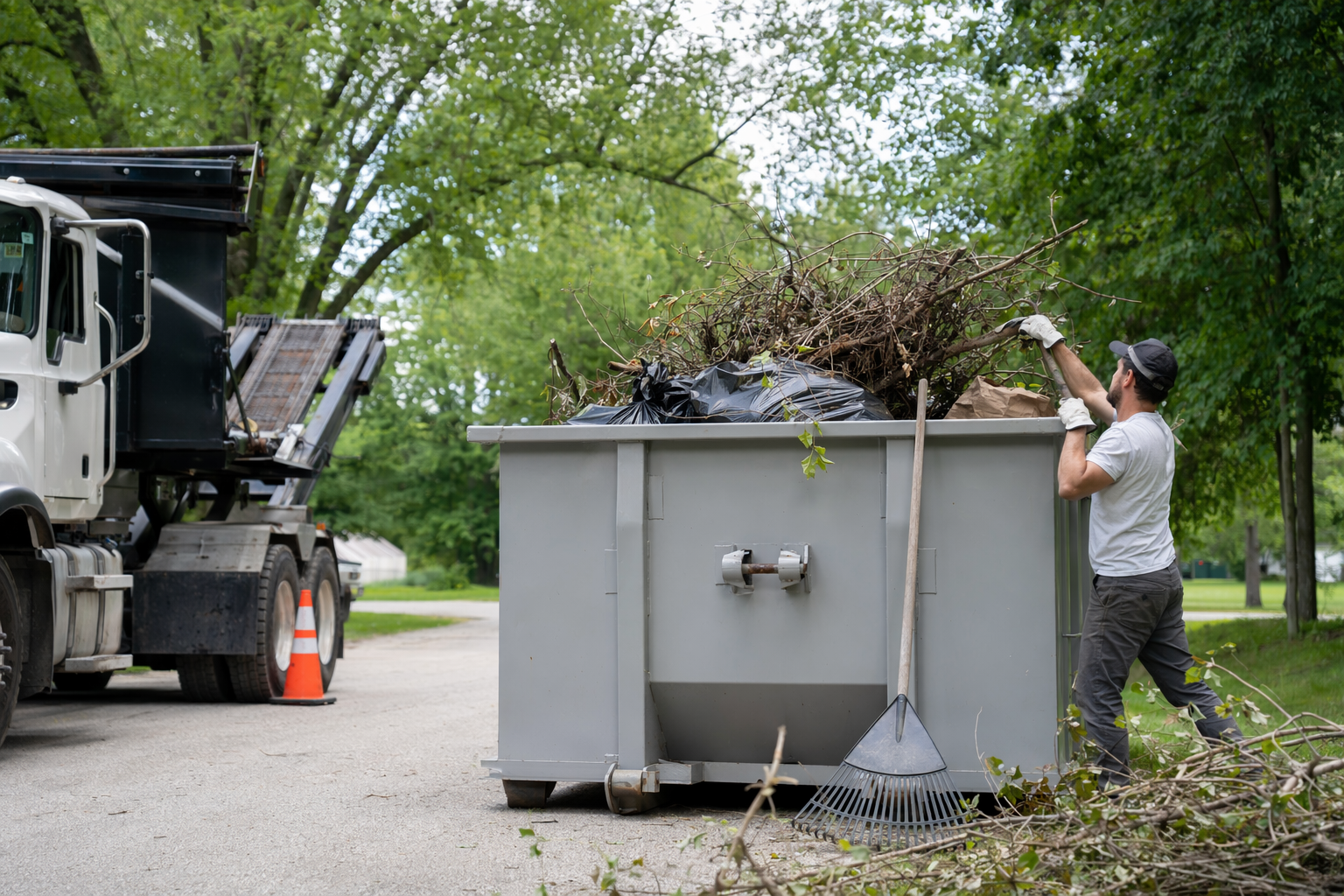
Is a 10-yard dumpster the right size?
A 10-yard roll-off holds about 10 cubic yards of debris. In plain terms, that is roughly 3 to 5 pickup-truck loads, depending on how the truck is loaded and how bulky the material is. It is one of the smallest common roll-off sizes, which makes it easier to place in a driveway and easier to load without climbing too high.
This size is usually best for a small garage, attic, or basement cleanout, a single-room remodel, a small deck tear-out, or a modest amount of roofing, flooring, plaster, tile, or yard debris. It is also commonly used for heavy materials like concrete, brick, dirt, sand, or asphalt because those materials hit the weight limit fast.
Most 10-yard containers are around 10 to 14 feet long, 7 to 8 feet wide, and about 3 to 4 feet tall, but exact dimensions vary by hauler. That lower wall height is helpful if you are hand-loading heavy debris. Always confirm the actual size locally, especially if space is tight in your driveway or jobsite.
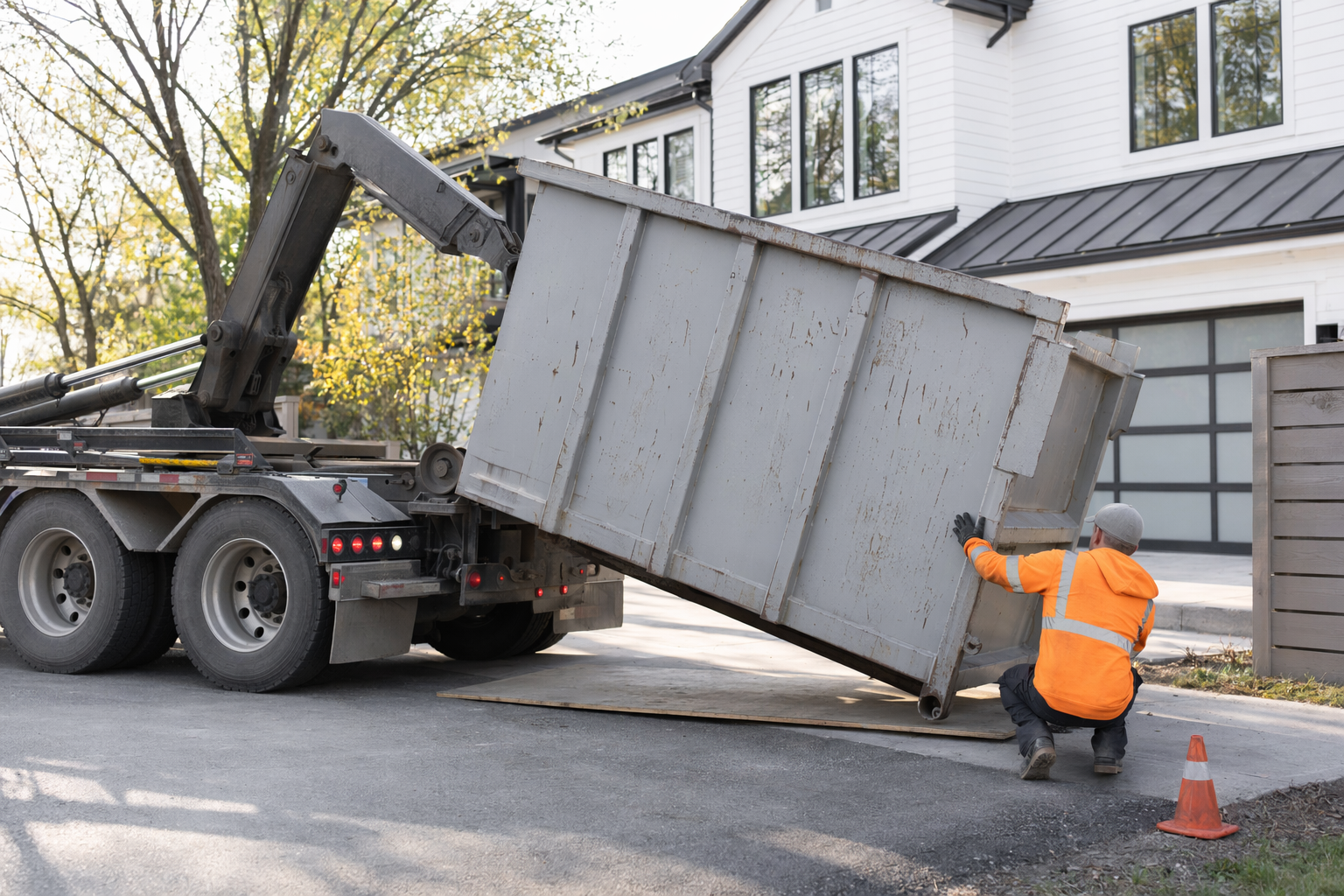
What fits in a 10-yard roll-off
For household junk, a 10-yard dumpster is usually enough for a small cleanout, not a whole-house purge. Think boxes, old shelving, a few pieces of furniture, carpet from one or two rooms, drywall, trim, cabinets from a small kitchen or bath, or debris from one remodeling area.
For construction debris, it works well when the material is dense or the job is contained to a small area. A small bathroom remodel, a laundry room redo, a shed cleanout, or a short run of fencing are common fits. For roofing, some haulers allow a 10-yard bin for a small tear-off, but shingle weight adds up very quickly, so confirm both roof size and tonnage allowance before booking.
When people get this size wrong, it is usually because the debris is bulky, not because the project sounds big on paper. Old couches, mattresses, cabinets, long lumber, and mixed demolition waste can eat up space fast. If you are between a 10 and a 20, the next size up is often cheaper than ordering a second dumpster later.
If you are not sure, compare your project type against common jobs on projects or get a local opinion through get matched. BinRoute is a free matching service, not a dumpster company, so you still choose the hauler and confirm the final details yourself.
Weight limits: this is where 10-yard bins matter
A 10-yard dumpster may be small by volume, but it is often the right call for heavy debris. Concrete, dirt, brick, tile, gravel, and shingles can make a larger bin too heavy for safe hauling or for the truck's legal road weight. That is why haulers often offer small dedicated containers for these loads.
Typical weight allowances for a general 10-yard rental are often around 1 to 3 tons, but that varies a lot by area, by hauler, and by what you are tossing. Some heavy-material dumpsters are priced differently and may be restricted to clean fill only, meaning no mixed trash. If you mix wood, plastic, or household junk into a concrete or dirt load, the price and disposal rules can change.
Get the tonnage allowance in writing before delivery. If you go over, the usual extra charge is an over-tonnage fee billed per ton above the included limit. Heavy debris fills a dumpster by weight before it fills by volume, so do not assume a half-full bin is automatically within the limit.
Honest 10-yard dumpster cost range
In many parts of the United States, a 10-yard roll-off often runs about $300 to $650 for a basic rental, but that is a general range, not a quote. The real number depends on your area, the rental period, the included weight, the type of debris, and whether the bin is for general junk or a heavy material like concrete or dirt.
Urban areas, high dump fees, longer hauls, and tighter delivery access can push pricing up. A short rental with light mixed debris may cost less than a heavy load with a low tonnage cap. Concrete, dirt, roofing, and tile jobs often price differently because disposal and hauling are tougher on the truck and more sensitive to weight.
Ask for the all-in price before you book and watch for the surprise fees people miss:
- over-tonnage fees for weight above the included limit
- extra-day fees if you keep the bin longer than the rental period
- trip or dry-run fees if the driver arrives and cannot safely drop or pick up the dumpster
- prohibited-item fees if banned items are found in the load
You can read more about how pricing works on costs. The safest move is to compare local options and make sure the written price lists the size, rental period, weight allowance, and debris type.
What you can and cannot throw in
A 10-yard dumpster is commonly used for household junk, construction debris, yard waste, and certain heavy materials, but the allowed items vary by area, landfill, and hauler. General rules also change if the dumpster is dedicated to clean concrete, clean dirt, or another specific material.
Items often restricted or banned include paint, solvents, chemicals, fuel, batteries, asbestos, medical waste, and other hazardous or regulated waste. Tires, mattresses, appliances, TVs, and refrigerators may be accepted only with added fees or special handling, or they may be banned entirely. For hazardous, medical, or regulated waste, use the proper local disposal program.
If the dumpster will go on the street instead of private property, you may also need a permit. Permit rules and who handles them vary by city. Some haulers help with that; some leave it to the customer. Confirm locally before delivery.
How to get a 10-yard dumpster without getting burned
Start with the job, not the bin name. Tell the hauler what material you have, how much of it there is, and whether it is light and bulky or dense and heavy. That gets you a more accurate size and weight recommendation than just saying you want a 10-yarder.
Then confirm the details before the dumpster is dropped off:
1. the actual dumpster dimensions
2. the rental period
3. the included weight or tonnage allowance
4. the exact debris type allowed
5. where the bin will be placed
6. the all-in price and any extra fees
BinRoute can help you connect with licensed, insured local haulers through services or get matched. The service is free for customers. BinRoute does not rent, deliver, haul, or dispose of dumpsters or waste; it is a free matching service. You share contact and project details only, then choose who to hire after you review the terms yourself.
- If you are between sizes, the next size up is often cheaper than renting a second bin.
- For concrete, dirt, brick, or shingles, ask whether you need a dedicated heavy-debris container.
- Verify the hauler is licensed and insured before you book.
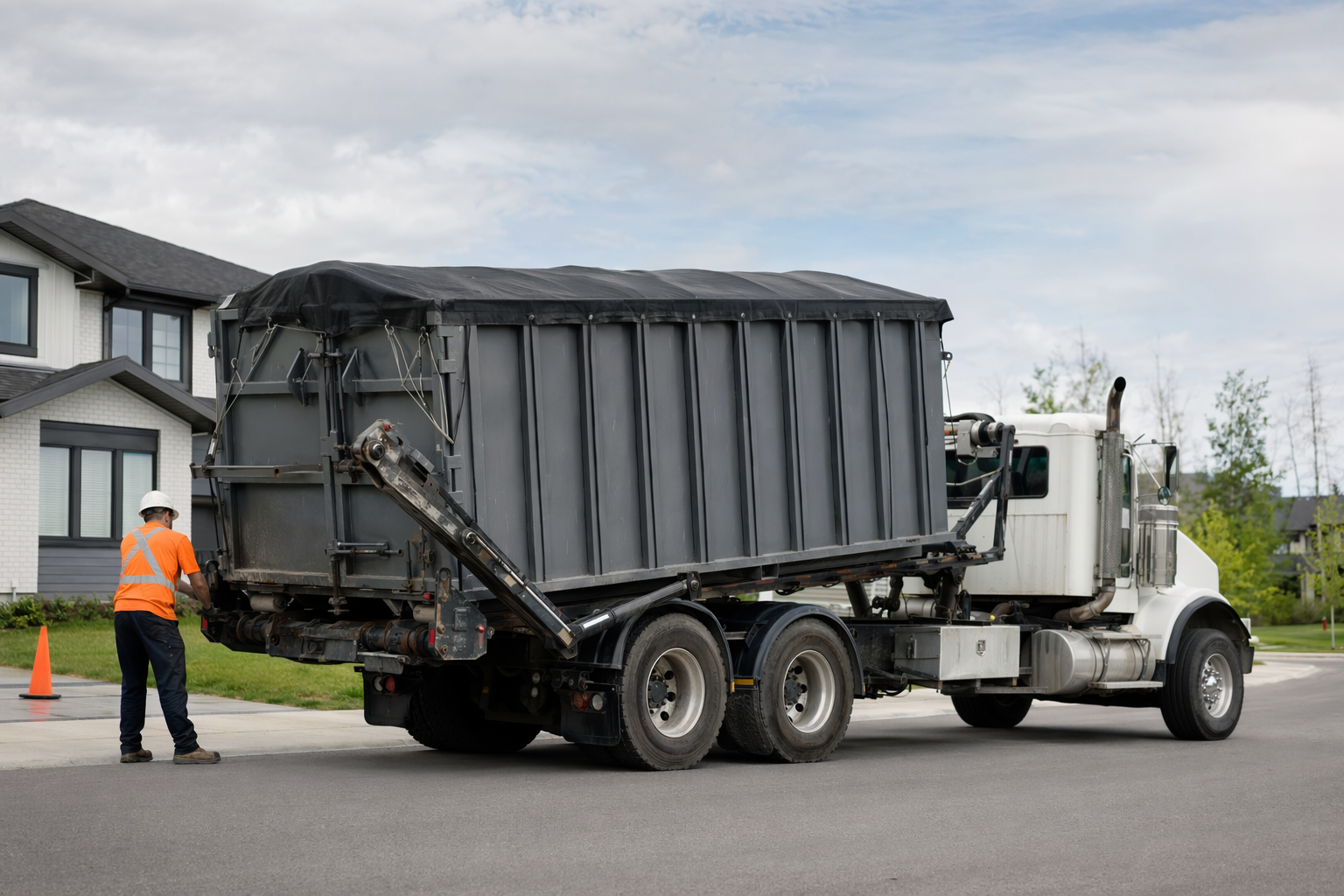
A 10-yard dumpster is a good small bin for small cleanouts and heavy debris, but you need to confirm the weight limit, allowed materials, and all-in price before it is delivered.
Common questions
How much can a 10-yard dumpster hold?
About 10 cubic yards, or roughly 3 to 5 pickup-truck loads. Bulky debris takes up space faster than people expect, while concrete and dirt hit the weight limit long before the bin looks full.
What is a 10-yard dumpster best for?
It is usually best for small cleanouts, a single-room remodel, small deck or flooring jobs, and heavy materials like concrete, brick, dirt, or tile. It is generally not the right size for a full-house cleanout.
How much does a 10-yard roll-off cost?
A common range is about $300 to $650, but that is not a quote. The real price depends on your area, the rental period, the included weight, and the type of debris.
How much weight can a 10-yard dumpster take?
Many general 10-yard rentals include around 1 to 3 tons, but local limits vary a lot. Always confirm the weight allowance in writing and ask what the over-tonnage fee is if you go over.
Can I put concrete or dirt in a 10-yard dumpster?
Often yes, and this is one of the most common uses for a 10-yard bin. But many haulers require a dedicated heavy-material container and may allow only clean fill, so confirm locally first.
Do I need a permit for a 10-yard dumpster?
Usually not if it stays on private property like a driveway, but street placement may require a permit. Permit rules vary by city and by location, so check locally before delivery.