Projects
Roofing tear-off — sizing a dumpster for shingles
Roof shingles are heavier than most people expect. For a roofing tear-off, the right dumpster is about roof squares and weight limit, not just bin size — and most people under-order.
How to get the size right
A quick, honest way to size a roll-off so you don't pay for a second bin — or for empty air.
- 1 Estimate your debris in cubic yards. Think in pickup-truck loads: one full short-bed load is roughly 2 to 3 cubic yards. Add up the rooms, the pile, or the project — most people under-estimate, so round up one size.
- 2 Match it to a roll-off size. A 10-yard suits a small cleanout or heavy concrete; a 20-yard a whole-home cleanout or roofing; a 30-yard a big renovation; a 40-yard major construction. Between sizes, the next size up is almost always cheaper than a second bin.
- 3 Check the weight limit. Every roll-off includes a tonnage allowance, then charges per ton over it. Heavy debris — concrete, dirt, shingles, tile — fills a small bin by weight long before it fills by volume, so use a smaller container for heavy loads.
- 4 Confirm what's included, then get matched. Get matched, free, with licensed local haulers. Confirm the rental period, the tonnage allowance, the drop-off and pickup, and any fees in writing before the bin arrives — you compare and choose who to hire.
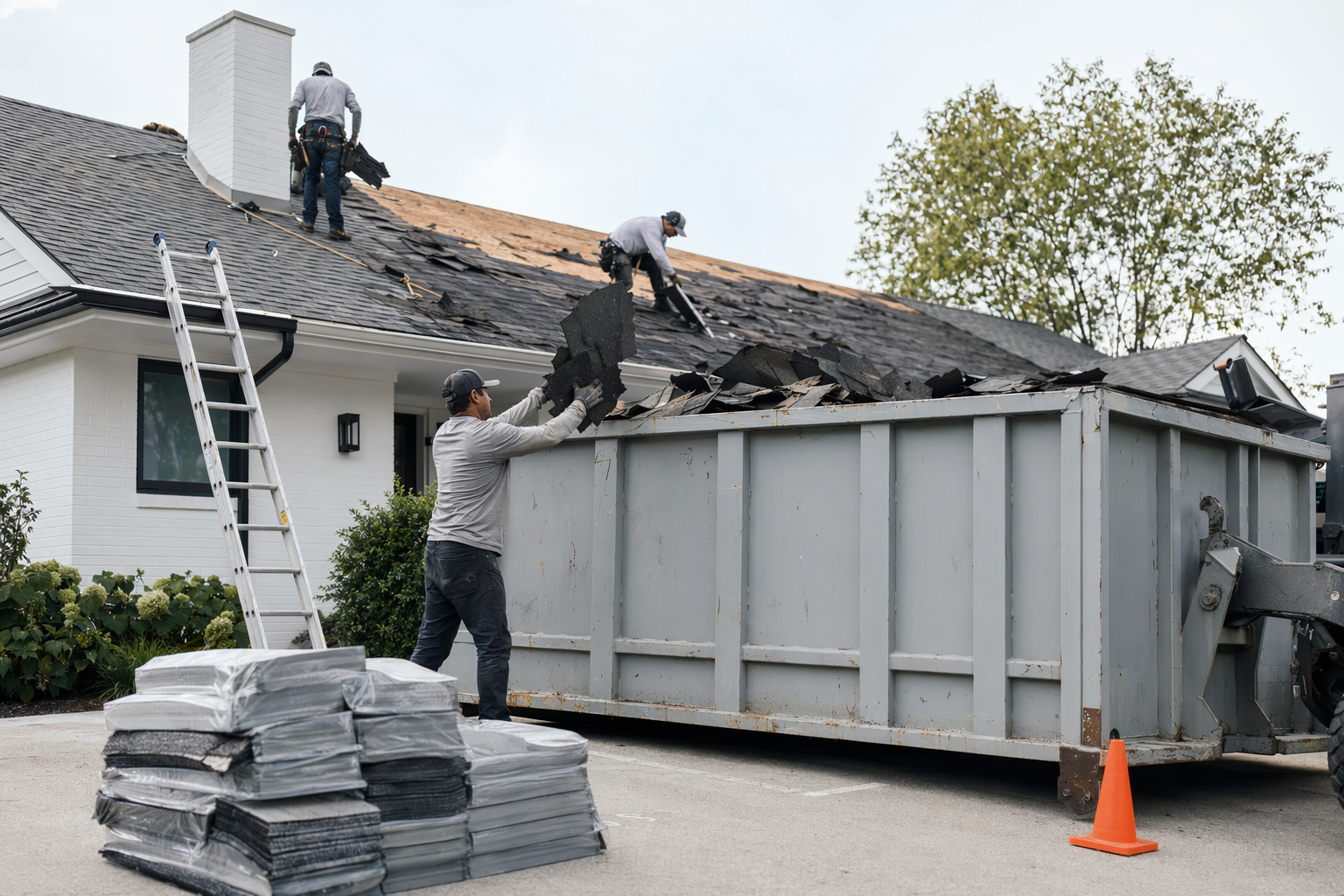
What size dumpster for a roofing tear-off?
For roofing jobs, start with roof size in squares. One roofing square is 100 square feet of roof surface. A small roll-off for shingles can hold a surprising amount by volume, but shingles usually max out the container by weight first.
A rough rule of thumb: a 10-yard dumpster is often used for about 15 to 20 squares of asphalt shingles, and a 15-yard can work for around 20 to 30 squares, depending on how many layers are coming off, the shingle type, and the local weight allowance. A 20-yard may be used for bigger jobs, but many haulers prefer smaller dedicated roofing containers because shingles get heavy fast.
In pickup-truck terms, a 10-yard bin is about 3 to 4 pickup loads, a 15-yard is about 4 to 5, and a 20-yard is about 6 to 8. But for roofing, those volume comparisons matter less than the tonnage limit.
Most people under-order. If you are between sizes, or you're not sure whether there are 2 layers instead of 1, ask about the next size up or a dedicated roofing box. One extra layer of shingles can change the weight a lot. Heavy debris like shingles, tile, and sheathing can turn a "should fit" job into over-tonnage charges quickly.
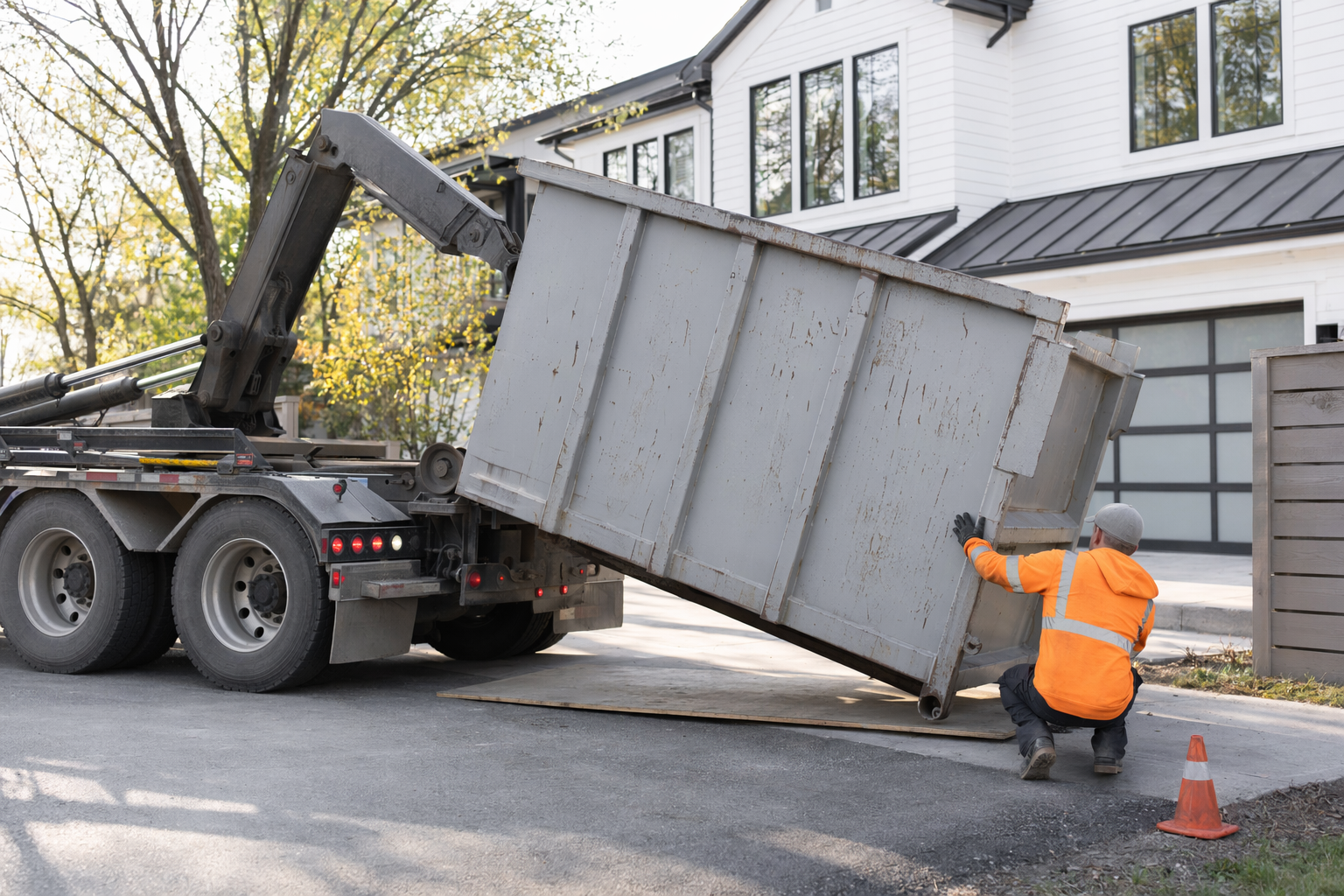
Roofing dumpster cost: honest ranges and what moves the price
A roofing tear-off dumpster often runs about $350 to $800+ for a smaller dedicated container, and roughly $450 to $950+ for larger roll-offs in many US markets. Those are general ranges, not quotes. The real price depends on the dumpster size, your area, the rental period, the included weight or tonnage, and the exact roofing debris.
Roofing costs go up fast when the included weight is low. Shingles are dense, so the cheapest advertised price is not always the cheapest real price. A quote with a low base rate but a small tonnage allowance can end up costing more than a slightly higher all-in price with more weight included.
Ask for the all-in price in writing before delivery. Make sure it shows the container size, rental period, weight allowance, and the overage rate if you go over.
You can compare general dumpster rental costs and use what size dumpster do I need? for a broader sizing guide, but roofing jobs should always be confirmed locally.
The surprise fees to watch on a shingle tear-off
The biggest one is over-tonnage. Roofing debris can exceed the included weight even when the dumpster is not full to the top. If a hauler includes 2 tons and your tear-off weighs 4 tons, you may be charged per ton over the limit.
Other common fees are extra-day fees if the bin stays longer than the rental period, trip or dry-run fees if the driver cannot safely place or pick up the dumpster, and prohibited-item fees if banned materials are mixed into the load.
Before you book, ask these questions plainly:
- What weight is included?
- What is the charge per ton over the limit?
- How many days are included?
- What happens if we need an extra day?
- Are there extra charges for multiple roofing layers?
- Is this a dedicated roofing dumpster or a general mixed-debris roll-off?
If the roof is older, damaged by fire, or has unusual materials, confirm what the hauler will and will not accept. Rules vary by area, landfill, and hauler.
What can go in a roofing dumpster?
Usually, a roofing dumpster is for asphalt shingles and normal roofing debris from the tear-off, such as felt, underlayment, nails, flashing, and sometimes limited wood sheathing, depending on the hauler and the load weight.
What should not be assumed acceptable: hazardous, medical, or regulated waste; liquids; tires; batteries; paint; solvents; fuel; asbestos-containing materials; and other items restricted by local rules or disposal sites. If you suspect asbestos or another regulated material, stop and use the proper local testing and disposal program. BinRoute gives general information only, not legal or hazardous-waste advice.
Also confirm whether the hauler allows mixed loads. Some roofing containers are priced and routed for shingles only. If you add drywall, household junk, concrete, or dirt, you may create disposal problems or extra fees.
Keep the load level. Do not fill above the top rail. The driver must be able to tarp and haul it safely.
Placement, permits, and jobsite basics
If the dumpster fits on a driveway or private jobsite area, that is usually the simplest option. Street placement can require a permit, cones, boards, or other local conditions. Who gets the permit varies by city and by hauler, so confirm locally before delivery.
Make sure the truck has room to drop the container and later pick it up. Low wires, parked cars, soft ground, steep slopes, or narrow access can cause a failed delivery or pickup and trigger a trip fee.
A few practical roofing tips:
- Reserve enough space close to the tear-off area, but not where it blocks emergency access.
- Protect pavement if needed by asking about boards or placement pads.
- Tell the hauler if the load will include shingles plus decking.
- Confirm whether same-day swap-out is possible if the first container fills early.
Local rules vary. Always confirm placement requirements, permit responsibility, and access details with the company you hire.
How BinRoute helps you get matched
BinRoute is a free matching service. We do not rent, deliver, haul dumpsters, or dispose of waste. We help connect you with licensed, insured local dumpster rental and hauling companies so you can compare your options and choose who to hire.
To get matched, you share basic contact and project intent only: name, phone, optional email, project type, ZIP code, and preferred language. No financial account numbers, Social Security numbers, income details, or sensitive records.
When you talk to a local hauler, stay in control of the order:
1. Confirm the dumpster size.
2. Confirm the rental period.
3. Confirm the included tonnage.
4. Confirm what roofing materials are allowed.
5. Confirm placement and whether a street permit is needed.
6. Get the all-in price in writing before delivery.
If you're ready, go to get matched. If you're still comparing projects first, start at all project guides.
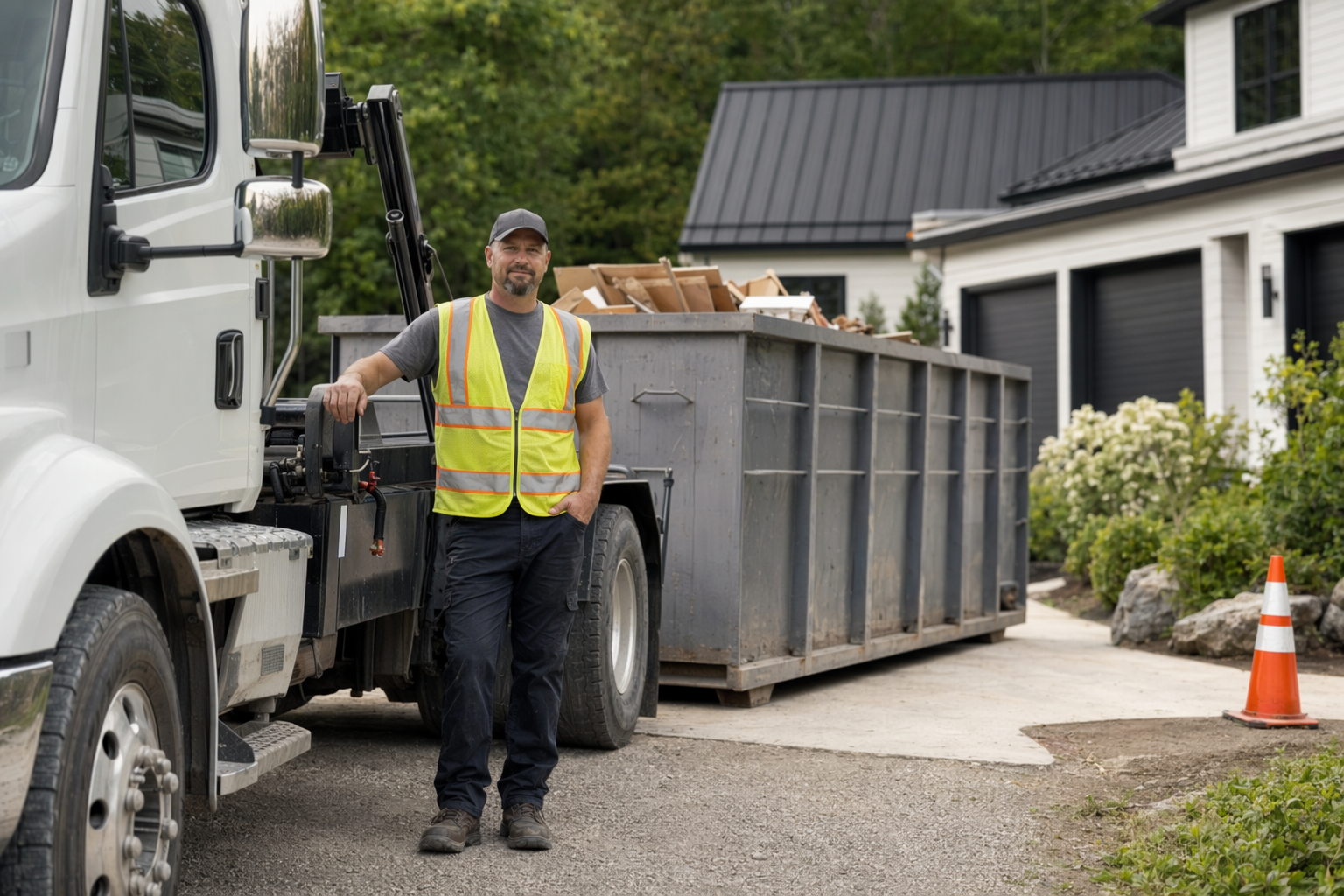
For a roof tear-off, pick the dumpster by shingle weight and roof squares, not just volume, and get the tonnage limit in writing before the bin shows up.
Common questions
What size dumpster do I need for 20 squares of shingles?
A 10-yard or 15-yard roofing dumpster is common for that size job, but it depends heavily on whether there is 1 layer or 2, the shingle type, and the local weight allowance. For roofing, always size by weight as much as by cubic yards.
Why can't I just get a big 30-yard dumpster for shingles?
Because shingles are heavy enough to overload a large container before it is full. Many haulers use smaller dedicated roofing dumpsters to stay within safe hauling and disposal limits.
How much does a roofing dumpster cost?
In many areas, expect roughly $350 to $800+ for a smaller roofing container and about $450 to $950+ for larger roll-offs. Those are general ranges, not quotes; your real cost depends on size, area, rental period, included weight, and debris type.
Do roofing dumpsters include plywood or roof decking?
Sometimes, but not always. Some haulers allow limited decking, while others want shingles only or will charge more because the load gets heavier. Always confirm before delivery.
Can I put other junk in with the shingles?
Do not assume yes. Mixed loads can cause extra fees or rejection, especially if the container was priced as a roofing load. Ask the hauler exactly what is allowed.
Do I need a permit for a roofing dumpster?
Maybe. If the dumpster goes on a street or public right-of-way, a permit is often required, but rules vary by city and area. Confirm locally with the hauler and your city before delivery.