Projects
Commercial and business cleanout dumpsters
Cleaning out an office, store, restaurant, or warehouse usually creates more junk than people expect. Here’s how to pick the right roll-off size, avoid common extra fees, and get connected with a licensed local hauler.
How to get the size right
A quick, honest way to size a roll-off so you don't pay for a second bin — or for empty air.
- 1 Estimate your debris in cubic yards. Think in pickup-truck loads: one full short-bed load is roughly 2 to 3 cubic yards. Add up the rooms, the pile, or the project — most people under-estimate, so round up one size.
- 2 Match it to a roll-off size. A 10-yard suits a small cleanout or heavy concrete; a 20-yard a whole-home cleanout or roofing; a 30-yard a big renovation; a 40-yard major construction. Between sizes, the next size up is almost always cheaper than a second bin.
- 3 Check the weight limit. Every roll-off includes a tonnage allowance, then charges per ton over it. Heavy debris — concrete, dirt, shingles, tile — fills a small bin by weight long before it fills by volume, so use a smaller container for heavy loads.
- 4 Confirm what's included, then get matched. Get matched, free, with licensed local haulers. Confirm the rental period, the tonnage allowance, the drop-off and pickup, and any fees in writing before the bin arrives — you compare and choose who to hire.
What size dumpster works for a commercial cleanout?
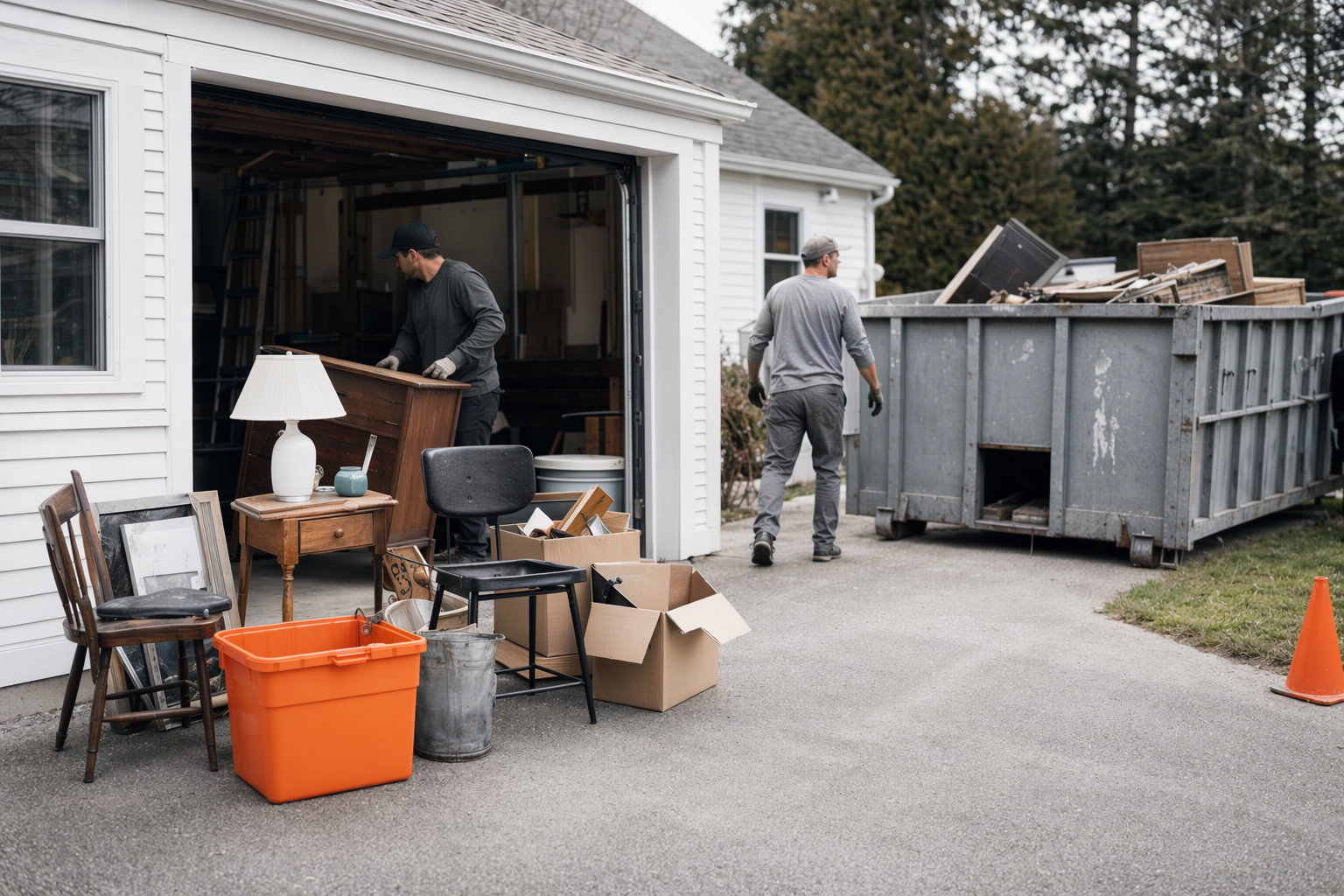
Most business cleanouts need more space than people think, especially once desks, shelving, displays, packaging, flooring, and back-room junk start coming out. For commercial jobs, people commonly under-order. If you are between sizes, the next size up is usually cheaper than ordering a second dumpster.
A 10-yard dumpster holds about 10 cubic yards, or roughly 3 to 4 pickup-truck loads. It can work for a small office cleanout, a single suite turnover, or a light cleanout with mostly boxes, small furniture, and general trash. A 15-yard or 20-yard dumpster holds about 4 to 6 pickup loads and is often a better fit for a small retail space, office remodel cleanup, or a business moving out of a modest unit.
A 30-yard dumpster is a common choice for larger commercial cleanouts because it holds around 9 pickup-truck loads. That size often fits a medium office, store fixtures, cubicles, shelving, carpet, and mixed junk from storage rooms. A 40-yard dumpster holds about 12 pickup loads and is often used for warehouse cleanouts, large office floors, restaurant tear-outs, or bulky fixture removal where volume matters more than weight.
Heavy materials change the plan. If your cleanout includes tile, concrete, dirt, brick, or large amounts of roofing or plaster, the dumpster may fill by weight before it looks full. In that case, a smaller dedicated heavy-debris bin is usually safer and cheaper. For more sizing help, see what size dumpster do I need or browse other project guides.
What a commercial cleanout dumpster usually costs
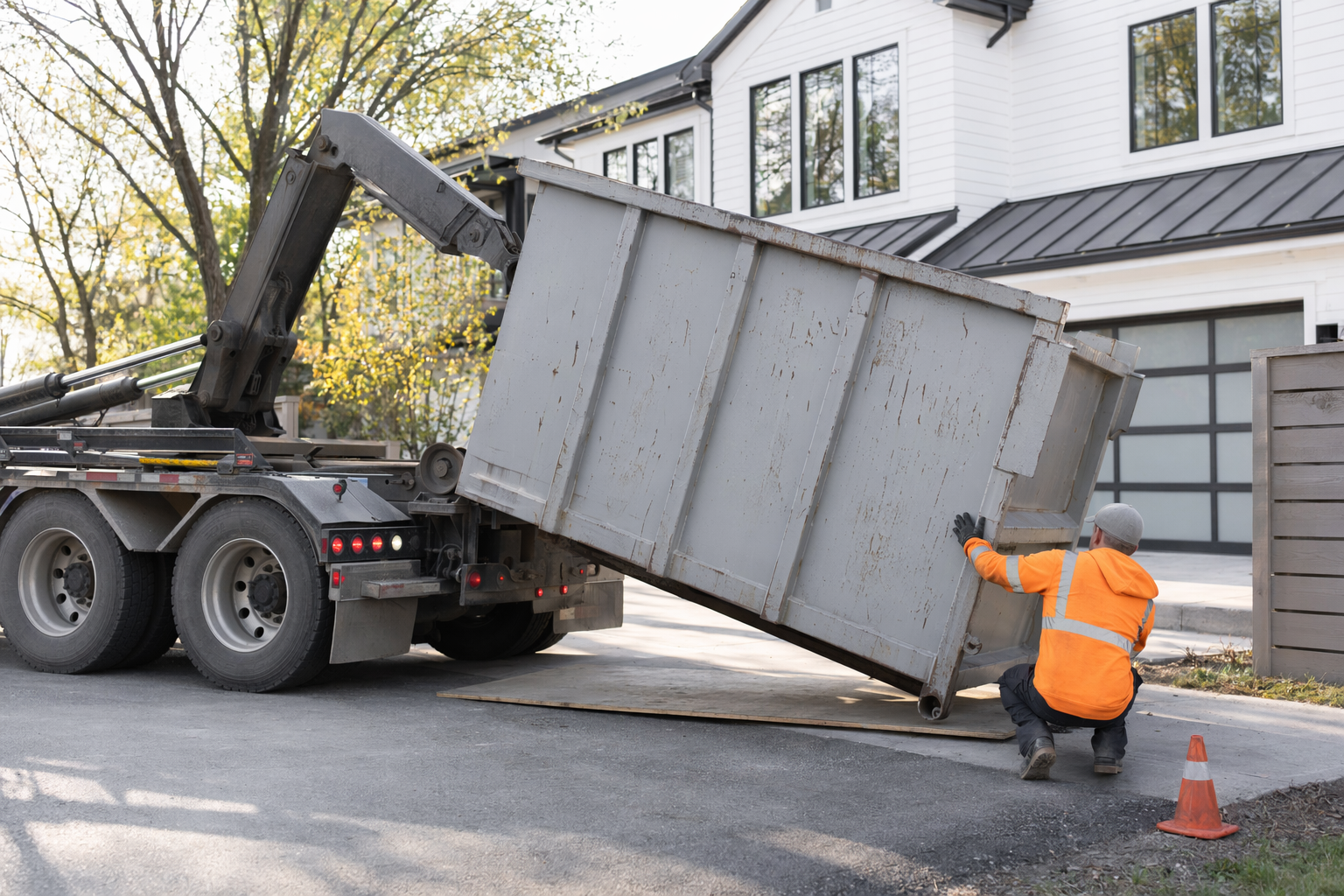
For a commercial cleanout, a typical roll-off rental often falls somewhere around $350 to $850 for many standard jobs, with larger containers, longer rentals, and heavier debris pushing the price higher. In some markets, a 10-yard may start around the mid-$300s, a 20-yard may often land around $400 to $650, a 30-yard may run around $500 to $750, and a 40-yard may be around $650 to $900 or more. These are general ranges, not quotes.
The real price depends on your area, the dumpster size, the rental period, the weight allowance, access for delivery, and what kind of debris you are loading. Clean office junk, cardboard, and light fixtures price differently than dense materials like tile, shelving, wet trash, books, or mixed construction debris. Downtown jobs, tight alleys, and sites needing careful placement can also cost more.
Before you book, get the all-in price in writing. Ask what size you are getting, how many days are included, how much tonnage is included, and what the charge is if you go over the weight allowance. BinRoute is a free matching service, not a hauling company, so we do not rent, deliver, or haul dumpsters. We help you connect with local providers so you can compare the real numbers yourself.
The extra fees that surprise people most
The biggest fee to watch on commercial cleanouts is over-tonnage. Old files, books, retail fixtures, wet materials, flooring, and mixed debris can get heavy fast. If the dumpster includes a set weight allowance and you go over it, you may pay a per-ton overage charge. That is why heavy debris should go in a smaller dedicated container when possible.
Other common charges are extra-day fees if the bin stays longer than the included rental period, trip or dry-run fees if the driver arrives and cannot safely deliver or pick up, and prohibited-item fees if banned materials are found in the load. Mattresses, TVs, monitors, refrigerators, tires, and certain electronics or appliances may cost extra or be refused entirely depending on the area and hauler.
A little planning prevents most of this.
1. Ask for the included weight allowance.
2. Ask the over-tonnage rate per ton.
3. Confirm how many rental days are included.
4. Make sure the drop spot is clear and accessible.
5. Ask about extra charges for appliances, electronics, or bulky items.
6. Get the full price in writing before delivery.
You can read more about pricing on our costs pages, but always confirm locally because rules and fees vary by area and by hauler.
What you can usually throw in — and what needs special handling
Many commercial cleanout dumpsters can take general non-hazardous debris like office furniture, shelving, cubicles, packaging, carpet, ceiling tile, non-food trash, displays, wood, drywall, and ordinary junk from a move-out or business closure. Some haulers also accept light fixtures, pallets, and small amounts of non-regulated renovation debris, but you need to ask first.
Items that often cannot go in a standard roll-off, or may need separate handling, include paint, solvents, chemicals, oils, batteries, asbestos-containing materials, medical waste, regulated e-waste, fluorescent lamps, propane tanks, and other hazardous or regulated materials. Refrigerators, air conditioners, and some appliances may need special handling because of refrigerants. Restaurant cleanouts can also involve grease waste or equipment that cannot go in a standard mixed-load dumpster.
This is general information only. Disposal rules vary by state, city, landfill, and hauler. For hazardous, medical, or otherwise regulated waste, use the proper local disposal program and confirm requirements locally. When in doubt, send the hauler a list or photos before the dumpster is delivered.
Placement, access, and permits for a business site
On a commercial property, placement matters almost as much as size. The truck needs room to roll the dumpster off and pick it back up, and the container needs enough overhead clearance for wires, awnings, tree limbs, and loading dock structures. You also need space to open doors and safely carry debris to the bin without blocking customers, tenants, employees, or fire lanes.
If the dumpster will sit in a private lot, the property owner or site manager usually needs to approve the location. If it will go on a street, alley, sidewalk area, or other public space, you may need a permit. Who is responsible for that varies by area, property type, and local rules, so confirm it with the city and the hauler before delivery.
A few practical steps help a lot:
- Reserve more space than you think you need for the truck.
- Keep cars, pallets, and delivery traffic away from the drop area.
- Protect pavement if the hauler recommends it.
- Break down bulky items so you use volume efficiently.
- Do not load above the top edge of the dumpster.
How BinRoute helps you get matched with a local hauler
BinRoute is a free matching service. We do not rent dumpsters, deliver containers, haul debris, or dispose of waste. We help you connect with licensed, insured local dumpster-rental and hauling companies so you can compare your options and choose who to hire.
To get matched, you share basic contact and project details only: your name, phone, optional email, project type, ZIP code, and preferred language. Then you can talk with local providers about size, rental period, weight allowance, placement, and the all-in price. You stay in control and confirm the details before any dumpster is delivered.
When you talk to a hauler, ask these questions:
- What size do you recommend for this commercial cleanout?
- How many tons are included?
- What is the overage charge per ton?
- How many days are included?
- Are there extra charges for fixtures, electronics, or appliances?
- Do you need proof of permission or a street permit?
- Are you licensed and insured for this area?
When you're ready, use get matched to connect with local companies.
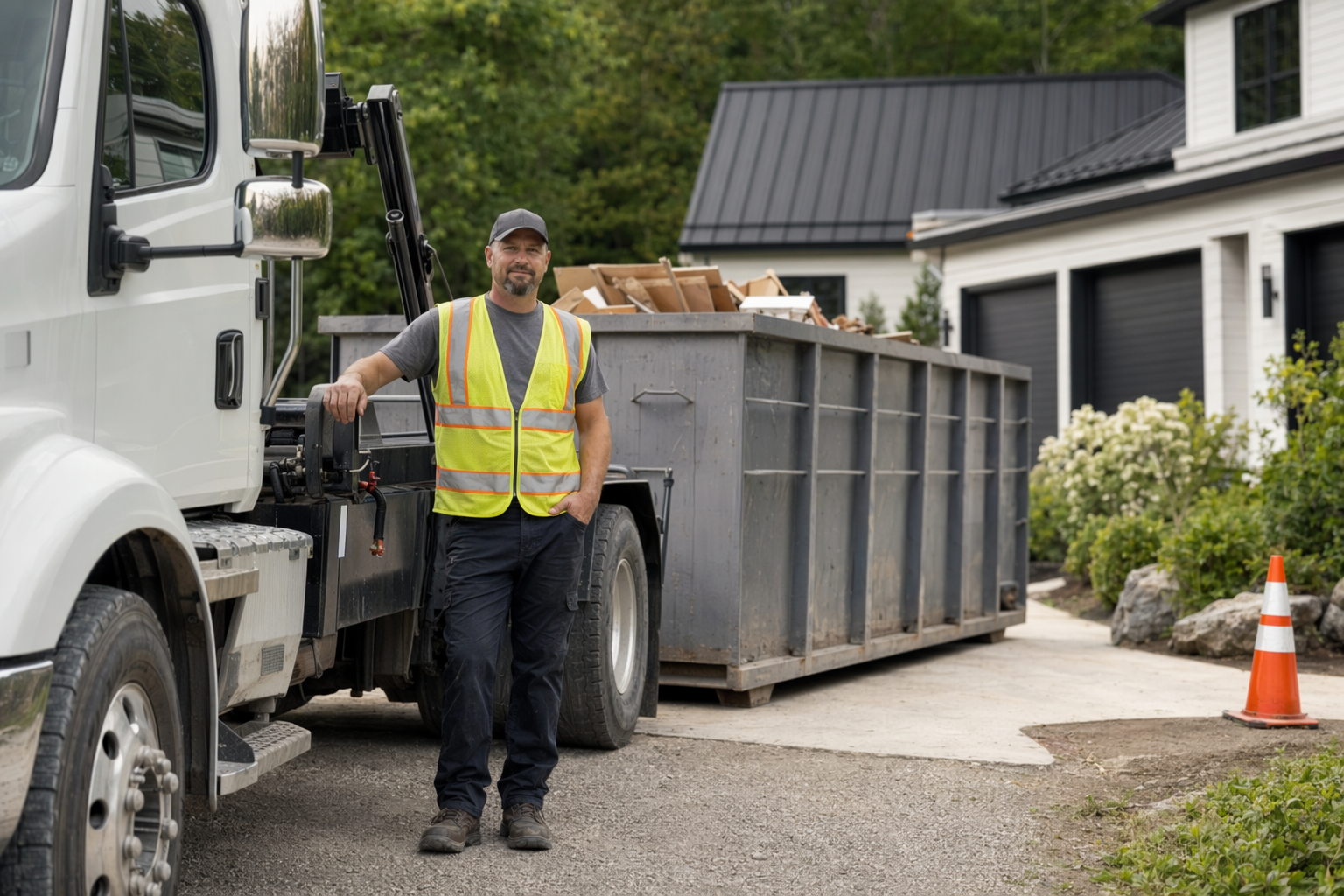
For most commercial cleanouts, order a little bigger than you think, watch the weight limit closely, and get the full price and allowed-items list in writing before the dumpster shows up.
Common questions
What size dumpster do I need for an office cleanout?
A small office may fit in a 10-yard or 15-yard, but many office cleanouts need a 20-yard or 30-yard once desks, chairs, shelving, and carpet are included. If you are between sizes, going one size up is usually cheaper than needing a second bin.
How much does a commercial cleanout dumpster cost?
Many commercial cleanout rentals fall around $350 to $850, with some larger or heavier jobs costing more. The real number depends on size, area, rental period, included weight, and the type of debris, so these ranges are not quotes.
Can I throw office furniture and store fixtures in a roll-off dumpster?
Usually yes for general non-hazardous items like desks, shelving, displays, and ordinary junk, but you should confirm the exact load with the hauler first. Some fixtures, electronics, appliances, or regulated materials may need separate handling.
Can a dumpster go in a business parking lot or on the street?
Often yes, but you need enough room for the truck and a safe placement area. If the dumpster goes on a public street or other public space, a permit may be required depending on local rules.
What items are usually not allowed in a commercial cleanout dumpster?
Common prohibited or restricted items include chemicals, paint, batteries, medical waste, asbestos-containing materials, propane tanks, and some electronics or appliances. Rules vary by area and by hauler, so always confirm locally.
Does BinRoute rent the dumpster for me?
No. BinRoute is a free matching service, not a hauling company. We help you connect with local haulers, and you choose who to hire and confirm the final details directly.