Guides
How long you can keep a rented dumpster
Most roll-off dumpsters are kept for about a week, but the real answer depends on the hauler, your area, and your project. If you think you’ll run long, ask about extra-day charges and extension rules before the bin is delivered.
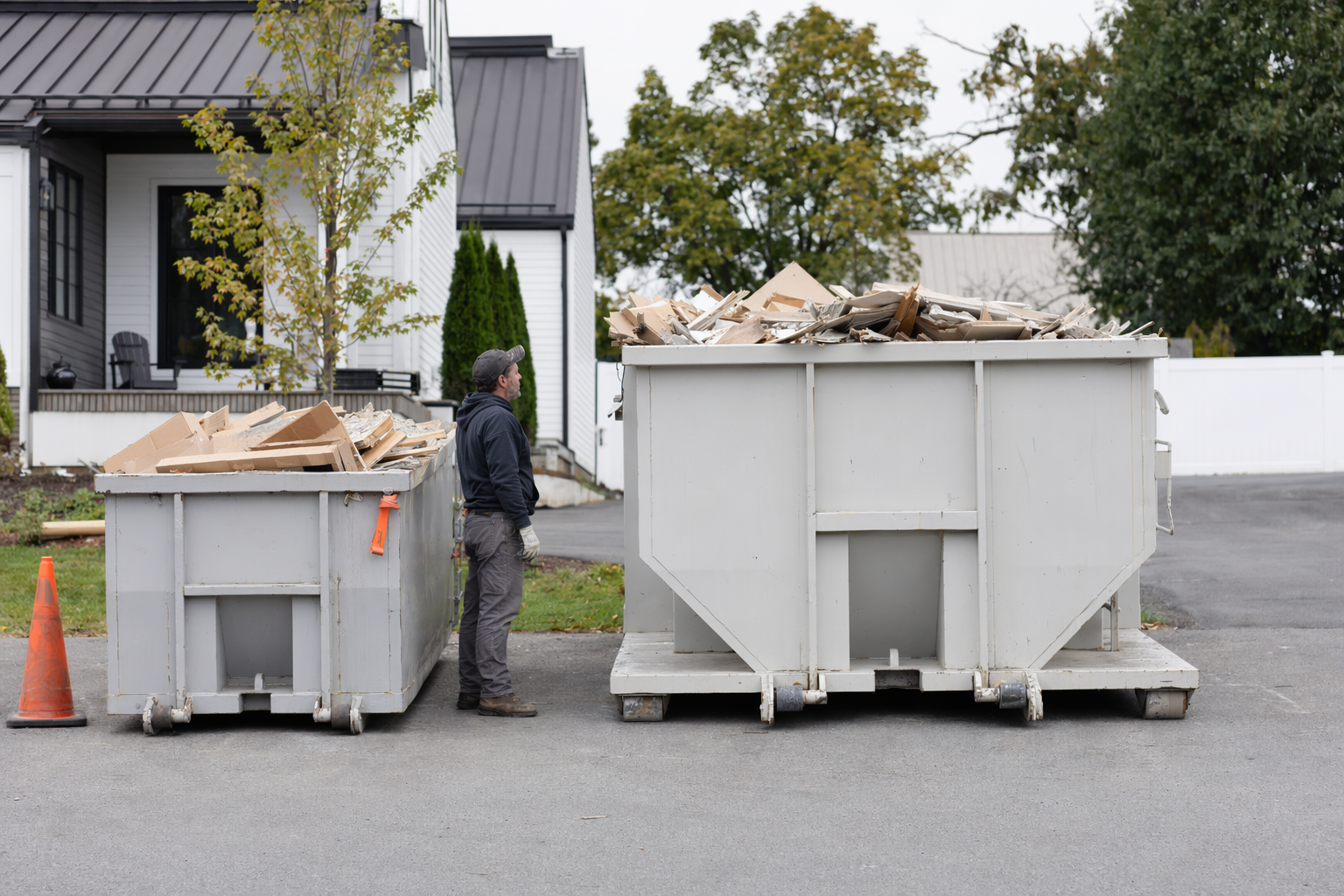
How long you can usually keep a dumpster
For a lot of home cleanouts, remodels, and roofing jobs, a rental period of 7 to 10 days is common. Some haulers offer shorter rentals, some let you keep the bin longer, and some count “a week” differently, so always confirm the exact number of days in writing.
The honest answer is: keep it only as long as you need it. Once the bin is sitting in the driveway or on the street, extra days can add up fast. If your project is moving slowly, ask early about extending the rental instead of waiting until the due date passes.
If you’re not sure how long your job will take, build in a little buffer. It is usually easier to finish early than to rush a cleanup because the dumpster has to go back.
- Typical rental windows are often 5, 7, 10, or 14 days, depending on the hauler and area.
- Always confirm the rental period before delivery, because rules vary by location and company.

What happens if you keep it longer
If the dumpster stays longer than the agreed period, many haulers charge an extra-day fee or a weekly extension fee. That charge is often much smaller than a second dumpster, but it still can turn into a surprise if you don’t ask first.
The other fee to watch is a dry-run or trip fee. That can happen if the hauler comes to pick up or swap the bin and it is blocked, overloaded, not ready, or placed where the truck cannot safely reach it. Ask what they require before pickup so you do not get stuck with a avoidable charge.
Get the all-in price in writing before delivery. That should cover the rental period, the weight allowance, and what happens if you need more time.
- Ask about extra-day charges, weekly extension fees, and pickup conditions before you book.
- Confirm whether the price changes if the dumpster sits on your property versus the street, because permit rules vary by area.
How to plan your project around the bin
Think backwards from your deadline. If a crew is demoing one room, the bin may only need to stay a few days. If you’re cleaning out a house, doing a remodel in stages, or waiting on contractors, you may want a longer rental window from the start.
A good rule is to have the bin arrive when you are ready to fill it, not days before. A dumpster that shows up too early can take up space and start the clock before you are using it. If the job includes heavy debris like shingles, tile, concrete, or dirt, ask for the right container and weight allowance up front so you don’t get over-tonnage charges later.
For most people, ordering a little more time than you think you need is cheaper than paying rush costs or extension fees at the last minute. If you’re between project timelines, browse guides or look at project examples to estimate how long similar jobs usually take.
- Schedule delivery close to the start of the mess, not the start of the planning.
- If you expect delays, say so when you request a match so the hauler can quote the right rental length.
Extra days, overflow, and other surprise fees
The biggest surprise fees are usually extra-day fees, over-tonnage charges, prohibited-item fees, and trip fees. These are not the same everywhere, and the amounts can change a lot by area, dumpster size, and what you toss in.
Over-tonnage matters especially for heavy debris. A bin can look half empty and still be over the weight limit if it’s full of concrete, dirt, roofing shingles, tile, or plaster. That’s why the right size is not just about volume — weight counts too.
Never assume the rental includes unlimited days or unlimited weight. Ask for the rental length, tonnage allowance, and all-in price in writing before you agree. If you need help comparing options, get matched with licensed, insured local haulers and confirm the details directly with them.
- Extra days: charged when you keep the bin past the agreed rental period.
- Over-tonnage: charged per ton over the included weight allowance.
- Trip/dry-run: charged when pickup or delivery fails because the site is not ready or not accessible.
- Prohibited items: charged if banned materials are found in the bin.
What to ask before you book
Ask simple, direct questions so there are no surprises later. You do not need industry language — just make sure the answers are clear.
- How many days are included?
- What is the daily or weekly extension cost?
- How much weight is included?
- What is the over-tonnage rate?
- What fees could be added at pickup?
- Is a street permit needed in my area?
- Is the hauler licensed and insured?
BinRoute is a free matching service, not a dumpster rental or hauling company. We help connect you with local licensed, insured dumpster-rental and hauling companies, but you still choose who to hire and you confirm the details before anything is delivered.
- If the project might run long, ask for a longer rental up front instead of hoping for an extension later.
- Confirm local permit rules if the bin may sit on the street or sidewalk, because requirements vary by city and county.
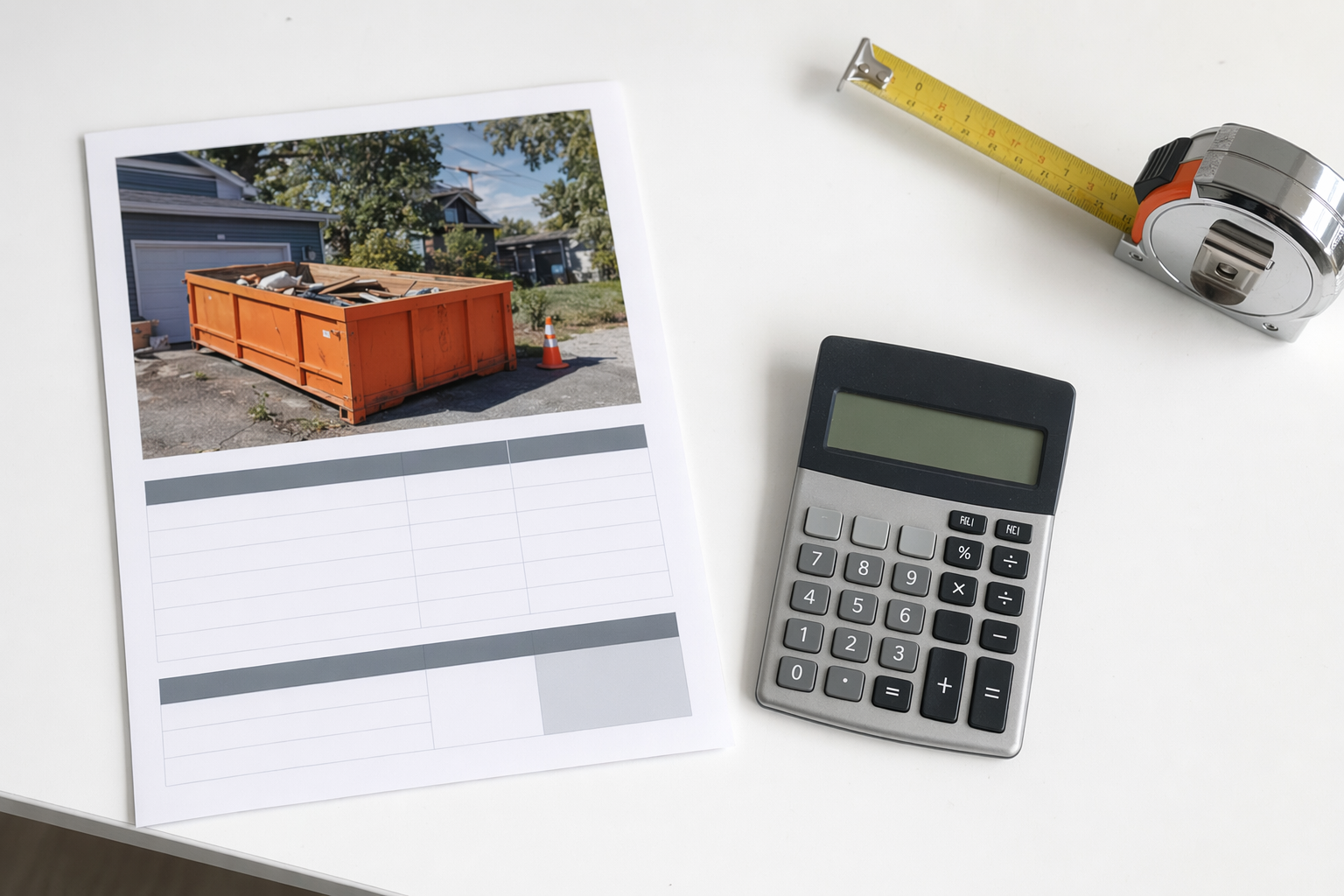
A dumpster is often rented for about a week, but the real cost can jump with extra days, over-weight loads, and local permit rules, so ask for the full price and time limit in writing first.
Common questions
How many days is a dumpster rental usually for?
A common rental period is 7 to 10 days, but it can be shorter or longer depending on the hauler and your area. Always confirm the exact number of included days before delivery.
Can I keep the dumpster longer if my project is running late?
Usually yes, but you need to ask the hauler before the rental ends. Extra days often cost more, and the rate is different by company and location.
What happens if I go over the rental time?
You may be charged an extra-day or extension fee, and in some cases a pickup delay can lead to more charges. Get the extension terms in writing so you know the cost first.
Is it cheaper to extend a rental or order a second dumpster?
Most of the time, a few extra days are cheaper than a second bin, but it depends on the company and how much waste you have. If you’re near the limit on weight or space, ask for the all-in price first.
Do rules about rental length and permits change by area?
Yes. Rental periods, permit rules, and extra fees vary by city, county, and hauler, so always confirm locally before booking.