Guides
10-yard vs 20-yard dumpster
A 10-yard and a 20-yard dumpster can both be the right call. The real difference is not just size — it is how much space your debris takes up, how heavy it is, and whether one bin will finish the job.
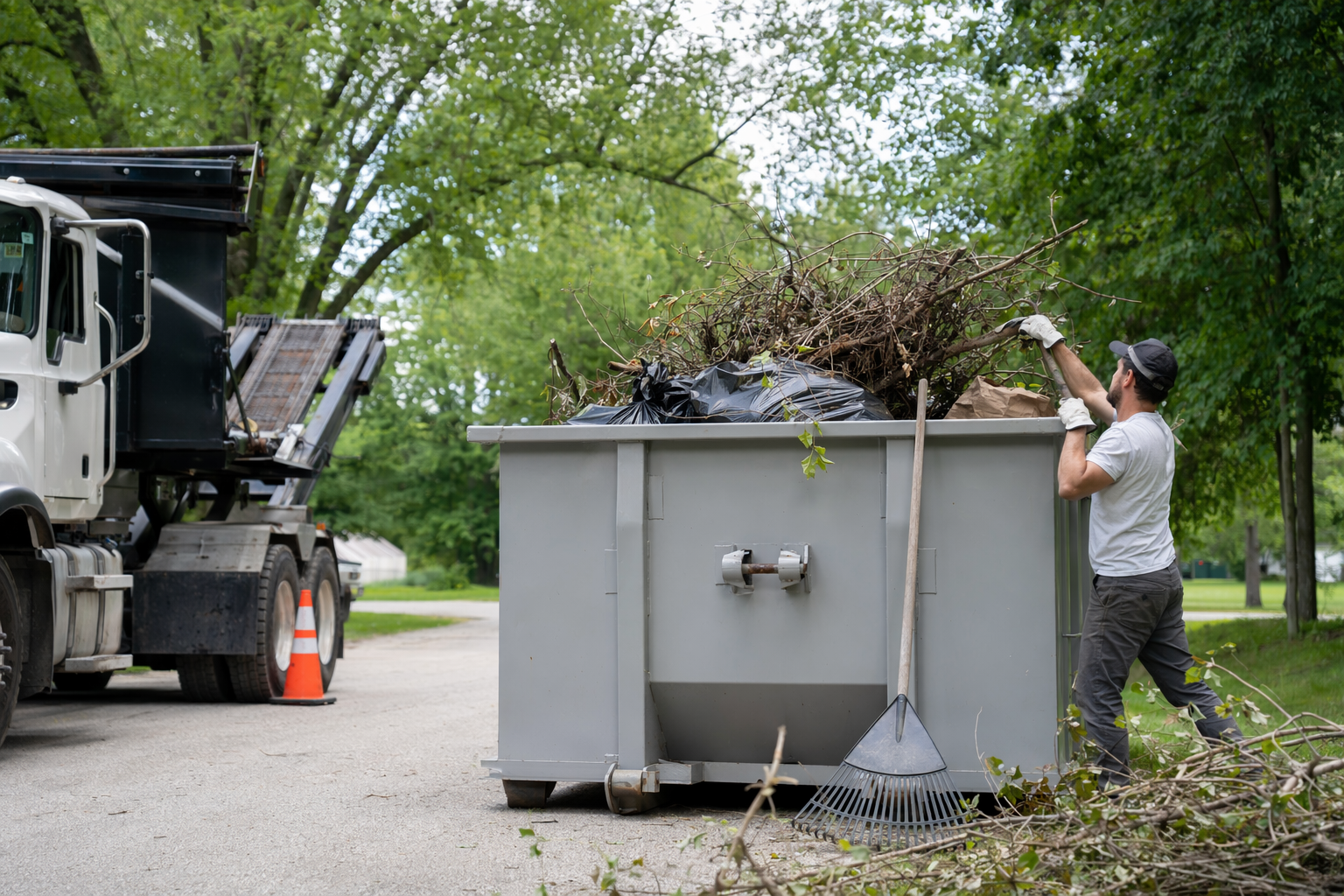
Start with size: 10-yard vs 20-yard in real life
A 10-yard dumpster is the smaller roll-off. Think of it as a good fit for a small cleanout, a single-room remodel, a small deck tear-out, or a heavy material job where weight matters more than volume. In pickup-truck terms, it is often compared to about 3 to 4 pickup loads, though that depends on how the truck is loaded.
A 20-yard dumpster is the more common all-around choice for household and remodeling jobs. It is often used for larger cleanouts, flooring and carpet removal, multi-room renovations, medium deck removal, and many roofing jobs. In rough terms, think about 6 to 8 pickup loads.
The big truth: most people under-order. If you are between a 10 and a 20 for mixed household junk, renovation debris, or bulky material, the 20 is usually the safer call. Renting one larger bin is often cheaper than filling a 10 too fast and ordering a second dumpster.
Heavy debris changes the math. Concrete, dirt, brick, shingles, tile, and plaster can fill a dumpster by weight long before it looks full. For that kind of material, a 10-yard is often the better choice because local haulers commonly use smaller containers for heavy clean fill. Always confirm local weight limits and allowed materials before delivery.
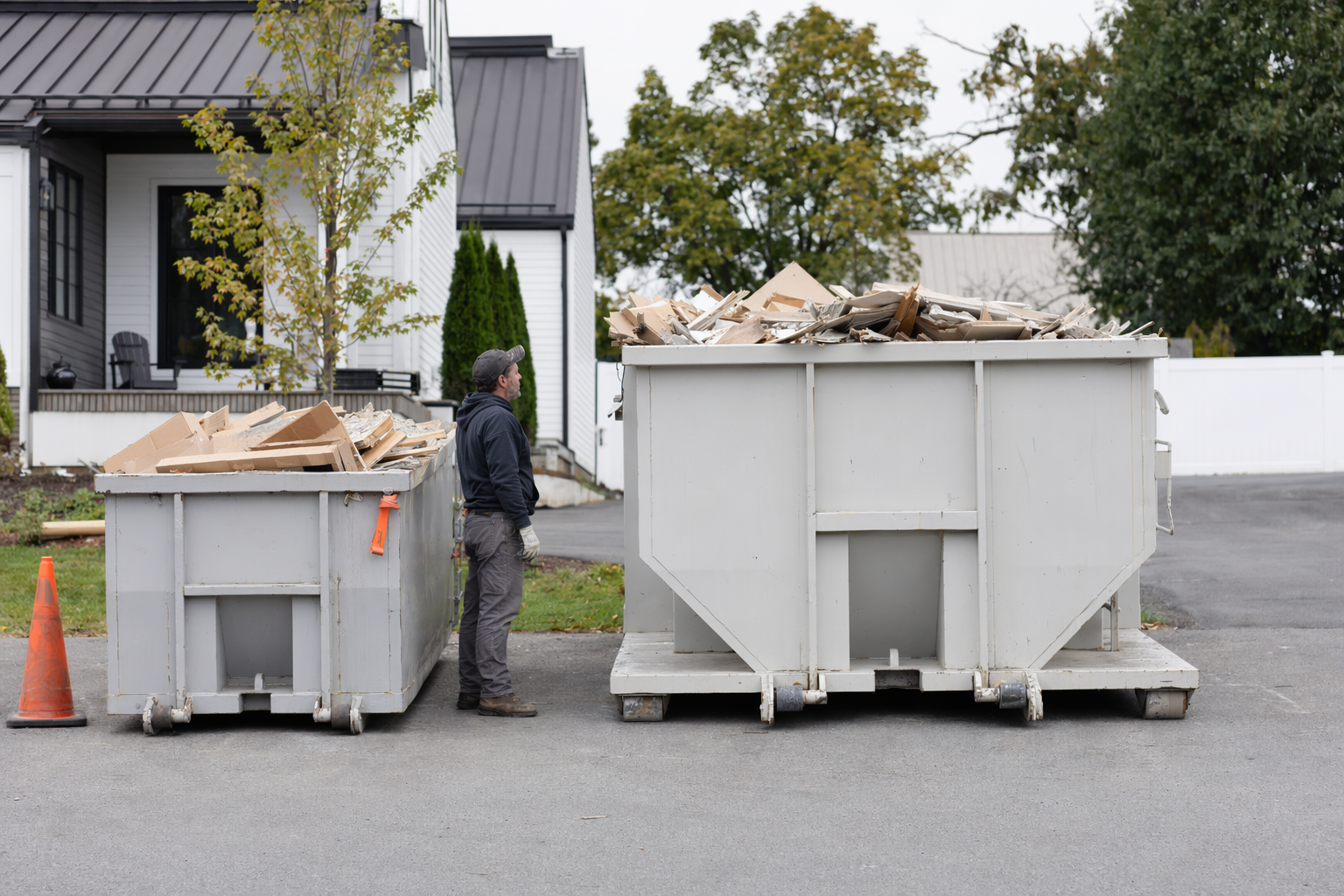
When a 10-yard dumpster makes sense
Choose a 10-yard when your job is small, dense, or both. It is a practical option for a garage cleanout, a small bathroom remodel, a little kitchen tear-out, a short fencing project, or a small amount of roofing or masonry debris.
It also makes sense when space is tight. A 10-yard usually fits more easily in shorter driveways and tighter job sites. If you live on a narrow street or have limited placement options, that smaller footprint can matter.
A 10-yard is often the smarter heavy-material bin. If you are loading concrete, dirt, brick, tile, or shingles, many local haulers prefer a smaller dedicated container because the truck still has to lift it safely. Rules vary by area and by hauler, so ask exactly what heavy debris they allow and what the tonnage limit is.
A 10-yard may not be enough for bulky junk. Furniture, cabinets, drywall, carpet, branches, and bagged household trash take up air space fast. A bin can look full even when you have not hit the weight allowance.
When a 20-yard dumpster makes sense
A 20-yard works well when the job is moderate in size and the debris is mixed. That is why it is one of the most common choices for home cleanouts, estate cleanouts, basement and attic cleanouts, flooring removal, siding projects, and general remodeling.
It gives you more room for awkward, bulky items. Old furniture, shelving, cabinets, drywall, wood, carpet, and general construction debris stack poorly compared with dirt or concrete. The extra volume in a 20-yard gives you breathing room.
If you are unsure whether your debris will fit in a 10, the 20 often saves money in the end. One slightly bigger dumpster is usually cheaper than paying for a second delivery, another pickup, and another rental period.
That said, bigger is not always better. If your material is very heavy, a 20-yard may come with a weight allowance you can exceed quickly. Heavy debris jobs need a local hauler to confirm the right container, because size and tonnage are not the same thing.
Cost difference: what a 10-yard usually costs vs a 20-yard
In many US markets, a 10-yard dumpster often runs about $300 to $550, while a 20-yard often runs about $375 to $700. Those are general ranges, not quotes. The real price depends on your area, the rental period, the included weight or tonnage, the type of debris, and how easy the delivery and pickup are.
The cheap-looking price is not always the real price. Ask for the all-in price in writing before you book. You want to know the size, how many days are included, the weight allowance, and what happens if you go over.
Common surprise fees are over-tonnage fees charged per ton over the allowance, extra-day fees if you keep the bin longer, trip or dry-run fees if the driver cannot drop off or pick up the dumpster, and prohibited-item fees if banned materials are loaded.
Debris type matters a lot. Clean concrete or dirt may be priced differently from mixed junk or construction debris. Roofing can also price differently because shingles are heavy. Always ask what material category your project falls under and confirm it locally.
Questions to ask before you choose
If you are comparing a 10-yard to a 20-yard, these are the questions that usually settle it:
- Is my debris heavy, bulky, or both?
- About how many pickup-truck loads am I really throwing away?
- Am I doing one small room, or is this really a whole-house or multi-room project?
- Do I have enough space for a larger roll-off where I want it placed?
- What weight allowance is included, and what is the overage charge per ton?
- How many days are included in the rental?
- Do I need a street permit if it cannot go on private property?
Permit and placement rules vary by city, HOA, landlord, and hauler. If the dumpster will sit in the street, ask the city or local authority what is required. For prohibited, hazardous, medical, or otherwise regulated waste, use the proper local disposal program instead of a roll-off.
How to get matched without guessing
BinRoute is a free matching service, not a dumpster company. We do not rent, deliver, haul, or dispose of waste. We help you get connected with licensed, insured local roll-off haulers so you can compare your options and choose who to hire.
If you want help narrowing down 10-yard vs 20-yard, start with get matched. You give basic contact and project details only: name, phone, optional email, project type, ZIP code, and preferred language. Then you can confirm the size, rental period, tonnage allowance, placement, and all-in price directly with the local hauler before anything is delivered.
If you are still estimating your job, the guides and projects pages can help you think through debris type, volume, and common dumpster uses. However you decide, hire a licensed, insured hauler and verify the details locally.
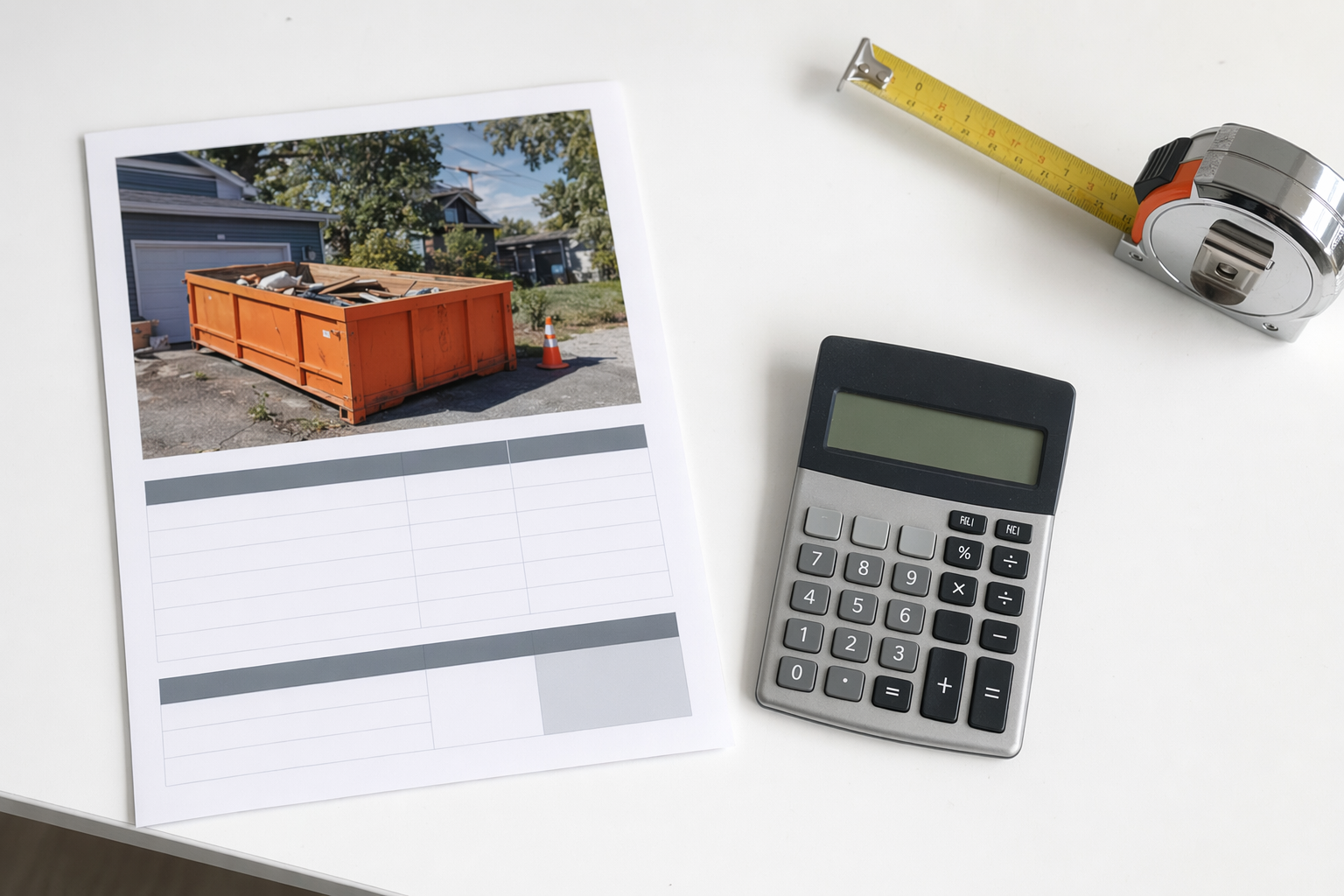
If your debris is bulky or you are unsure, a 20-yard is often safer; if it is small or very heavy, a 10-yard may be the smarter bin.
Common questions
Is a 10-yard dumpster enough for a house cleanout?
Usually only for a small cleanout, not a full-house cleanout. For a larger household cleanout with furniture, boxes, and bulky junk, a 20-yard is often the more realistic choice.
Is a 20-yard dumpster too big for a small remodel?
Sometimes, yes. If your job is truly small or the debris is very heavy, a 10-yard may be the better fit. But for mixed remodel debris, many people are glad they sized up.
Which is better for concrete or dirt: 10-yard or 20-yard?
Usually a 10-yard or another small dedicated heavy-debris container. Concrete and dirt hit weight limits fast, so always confirm the local hauler's rules before ordering.
How much more does a 20-yard cost than a 10-yard?
Often not as much as people expect. In many areas, the difference may be modest compared with the cost of needing a second dumpster, but actual pricing depends on area, rental period, weight allowance, and debris type.
Can I put a 20-yard dumpster on the street?
Maybe, but street placement rules vary by city and area. You may need a permit, and some neighborhoods or HOAs have their own restrictions, so confirm locally before delivery.
What information does BinRoute need to help me get matched?
Only basic contact and project-intent details: your name, phone, optional email, project type, ZIP code, and preferred language. The service is free for the customer.