Projects
Roll-off dumpster rental in the New York area
Renting a roll-off dumpster in the New York area is mostly about choosing the right size, planning placement, and confirming rules for your street or building. BinRoute is free to use and connects you with licensed, insured local haulers.
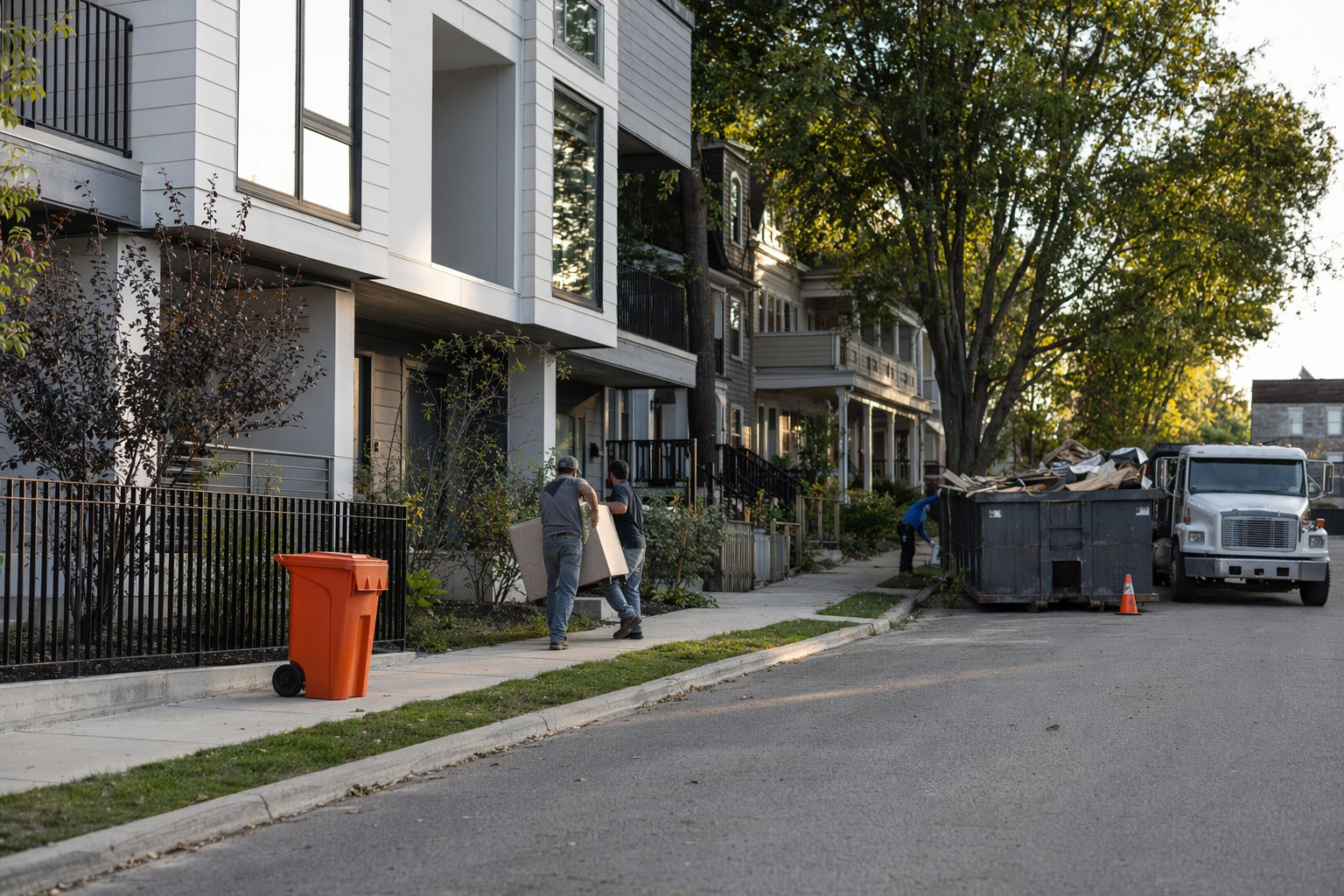
Pick the right size first (most people under-order)
For a roll-off dumpster, the “right size” usually means matching the debris you have, not the square footage of your home. Most people start with a smaller bin than they need, then end up paying for extra days or a second delivery.
As a rule of thumb, you want to think in cubic yards (yd³) and how full it will get. Heavy debris (concrete, dirt, tile, roofing shingles) fills a bin by WEIGHT before it fills by volume—so those projects often need a smaller, dedicated container for heavy clean fill and a separate plan for light debris.
If you’re not sure, when you’re between sizes, the next size up is often the cheaper move than renting a second bin. Still, you’ll only know your best fit after you list what’s going in and how much of it there is.
- Light debris (demo trash, drywall, siding): fills by volume more than weight
- Heavy debris (concrete, dirt, masonry): hits weight/tonnage limits sooner than people expect
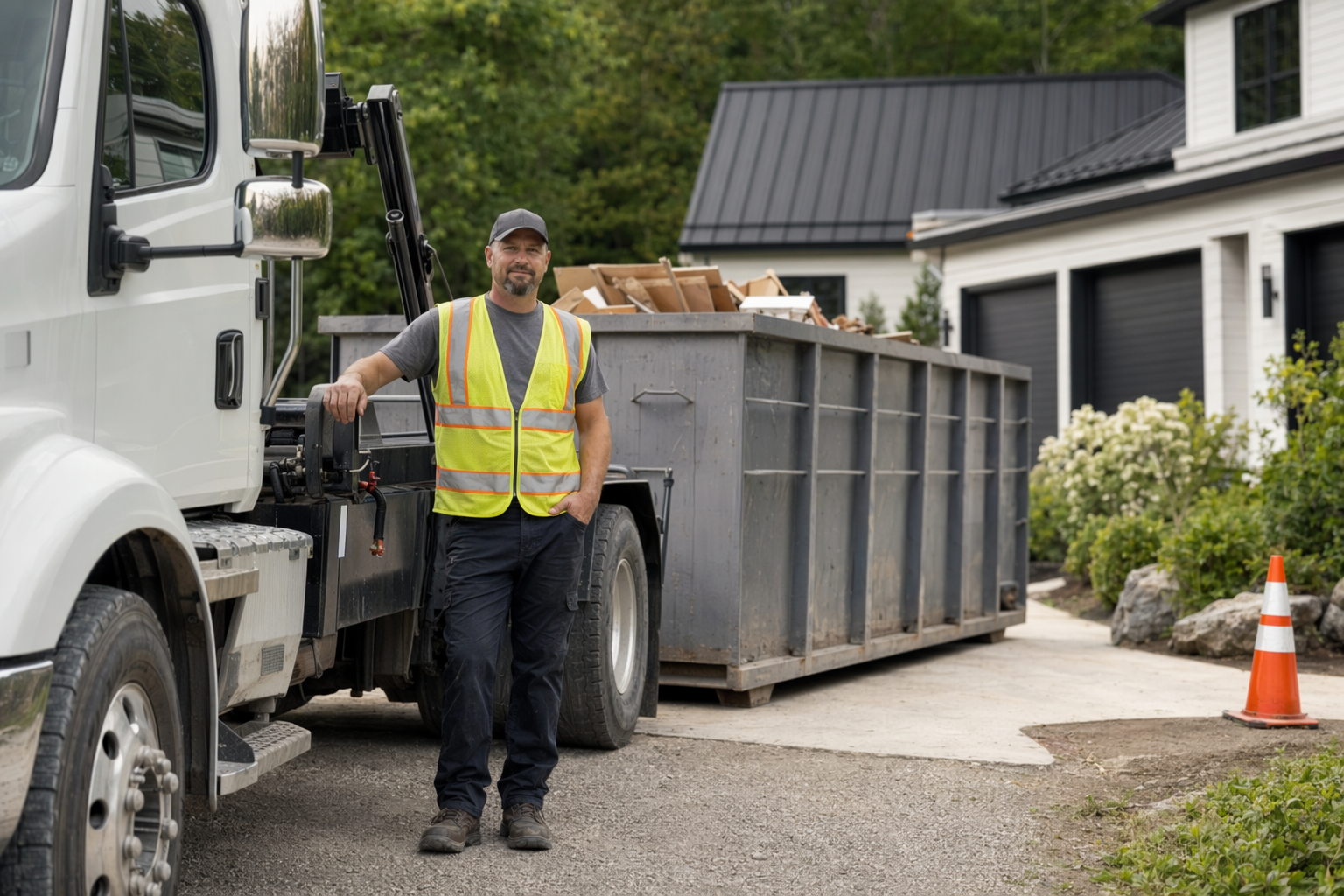
Common sizes people rent in the New York area
Haulers in the New York metro typically offer several common roll-off sizes (often 10, 15, 20, 30 yards, and sometimes larger). The exact size options and weight/tonnage allowances vary by hauler and sometimes by the type of debris.
Here’s a practical way to choose. Use it as a starting point, then confirm the all-in details (size, rental days, and weight limits) with the local company before anything is delivered.
- Rough cleanout / small clutter: often starts around 10 yd³
- Garage cleanout, small remodel, or yard debris: often around 15 yd³
- Full room-out / bigger remodel, flooring + drywall: often 20 yd³
- Roofing tear-off, larger demo, or multi-room cleanout: often 30 yd³ (and weight rules matter a lot)
What it should cost (honest ranges) and what drives the price
Costs in the New York area can vary a lot by borough/county, access requirements (street parking, loading docks, narrow streets), and how long you need the dumpster. You’ll usually pay for the dumpster size, the rental period, and the disposal/processing of the approved debris.
A normal rental might fall into a range like this (not quotes—just ballparks):
- Smaller dumpsters (often 10–15 yd³): commonly in the lower hundreds to low hundreds plus, depending on your exact terms
- Mid-size (often 20 yd³): commonly higher than smaller bins, often mid-hundreds
- Larger bins (often 30 yd³+): commonly higher again, often several hundred dollars or more
Your “final” number usually changes based on: the dumpster size, the rental days, your debris type (heavy vs light), weight/tonnage allowances, and any placement complexity. Always ask for the all-in price in writing.
- Expect heavy projects (concrete/dirt/shingles) to cost more mainly due to weight limits and disposal handling
- If your debris volume is close to a larger bin size, upgrading can be cheaper than paying for overtime or a second rental
Fees and surprises to ask about before delivery
Before you hire a hauler, ask them to clearly explain the all-in terms. Many “surprise” charges come from weight overages, extra days, or items that weren’t allowed.
Be sure you understand these common fee categories (names vary by company, so ask anyway):
- Over-tonnage fees: if you exceed the weight allowance in your rental terms, you may pay per ton (or per unit) over the limit
- Extra-day fees: if you keep the dumpster past the included rental days
- Trip / dry-run / access fees: if placement is harder than expected (permits, tight access, wrong location, inability to safely place)
- Prohibited-item fees: if you put something in the bin that isn’t accepted
If anything is unclear, get the details in writing first—before delivery.
- For regulated waste (like certain chemicals, medical waste, or other hazardous materials), don’t assume a dumpster rental is the right route—use the proper local disposal program.
Permits, placement, and who’s responsible in New York City vs suburbs
Rules about street placement vary widely across the New York area. Sometimes you’ll need a street permit for a dumpster placed on a public roadway, and in other cases placement on private property has different requirements. If you’re in a building, co-op, or condo, you may need approval from management.
Because permit rules vary by city and even by block or property type, treat this as something you must confirm locally with your hauler (and, when needed, with the city/agency issuing permits). Ask questions like: where can the bin be placed, who obtains permits (if required), and what paperwork is needed before delivery.
Also confirm practical placement details—space for the truck, ground conditions, clearance, and whether you need a protected drop zone so the driver can place the dumpster safely.
How BinRoute helps (free) — and how to get matched fast
BinRoute is a free matching service for roll-off dumpster rentals. We do not haul or dispose of waste, and we do not deliver dumpsters. Instead, we help you connect with licensed, insured local dumpster-rental and hauling companies.
To get matched, you share only basic contact and project intent details (for example, your name, phone, optional email, project type, ZIP code, and your preferred language). You stay in control: you confirm the dumpster size, rental period, tonnage allowance, placement, and the all-in price before the dumpster is delivered.
Start by reviewing dumpster rental costs and then get matched. If you’re figuring out what you’re doing, browse the relevant projects to compare typical debris types and starting sizes.
- Always hire a licensed, insured hauler and verify their acceptance rules for your specific debris
- Don’t rely on a verbal guess—ask for the all-in terms in writing before delivery
For roll-off dumpster rentals in the New York area, choose the right size for your debris and confirm placement, weight limits, permits, and all-in fees before delivery—BinRoute helps you find licensed, insured local haulers for free.
Common questions
Do I need a permit to place a roll-off dumpster on the street in the New York area?
It depends on your exact location and placement. Permit rules vary by city/borough and sometimes by the building or block, so confirm locally with the hauler before delivery. Ask who obtains the permit (if needed) and what documentation is required.
Is there a weight limit, and what happens if I fill the dumpster too heavy?
Yes—most roll-off rentals include a weight/tonnage allowance. If you exceed it, many haulers charge an over-tonnage fee. For heavy debris like concrete, dirt, shingles, or tile, you can hit weight limits before the bin looks “full,” so confirm the tonnage terms upfront.
How do I choose between two dumpster sizes?
If you’re truly between sizes, the next size up is often cheaper than renting twice. Still, heavy debris is the big exception—weight can drive the decision more than volume. Tell the hauler what materials you have and ask for the all-in terms for each size you’re considering.
What kinds of items are usually not allowed in a dumpster rental?
Rules vary, but many haulers do not accept regulated hazardous waste, certain chemicals, medical waste, and some specialty materials. For anything potentially hazardous or regulated, use your local disposal program instead and ask the hauler to confirm what’s allowed for your debris list.