Quick answers
What happens if I overfill a dumpster?
If you overfill a roll-off dumpster, you risk extra charges, a failed pickup, and sometimes having to remove material before they’ll haul it. The exact rules vary by city/hauler, so confirm the all-in terms before delivery.
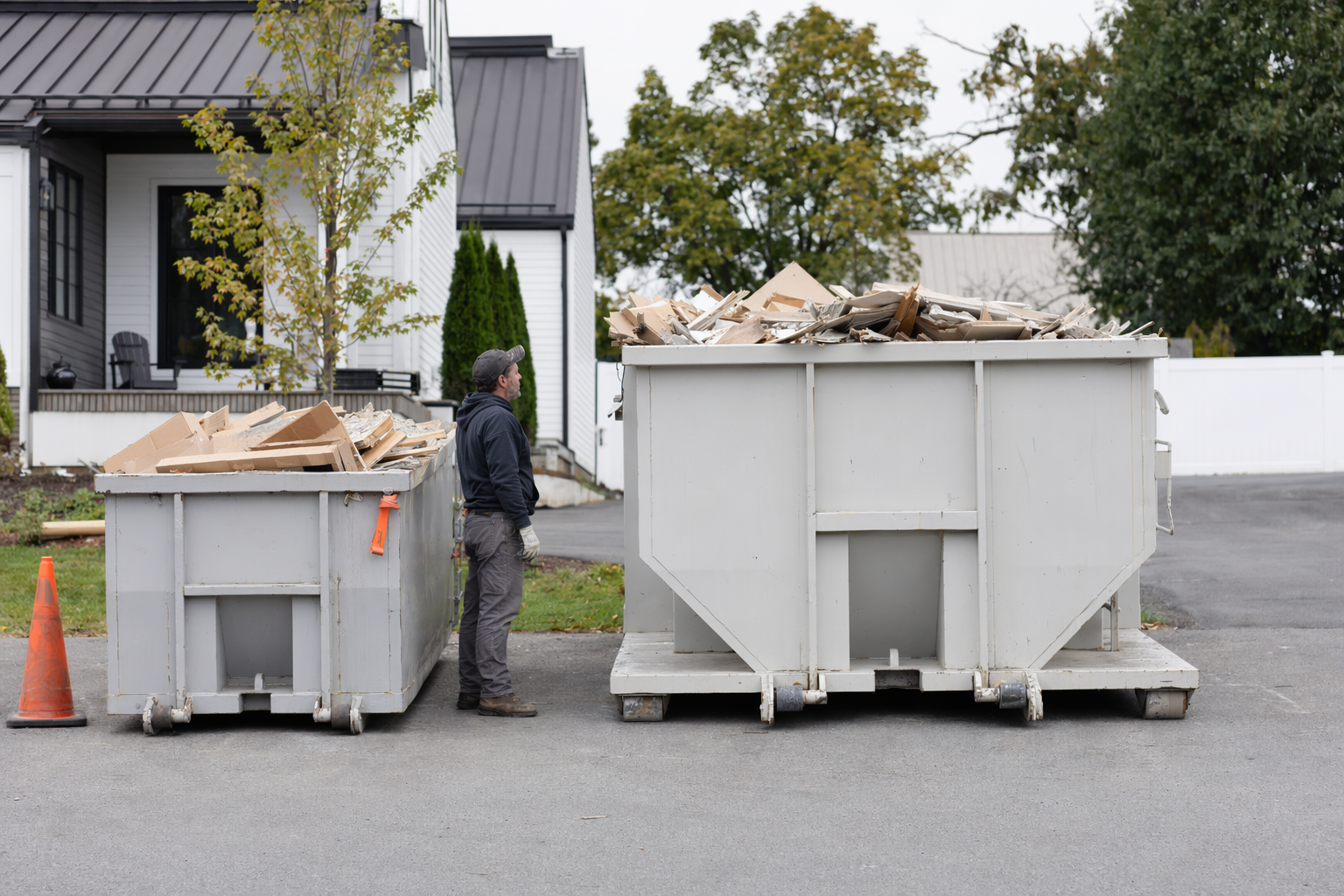
First: what usually happens when you overfill
In most cases, “overfill” means one (or more) of these: material sits above the dumpster’s top edge, the load is uneven and leaning, or the weight/tonnage allowance is exceeded even if it doesn’t look full.
Most haulers don’t want debris spilling into the street, onto your property, or onto the route. If they can’t safely load it, they may require you to remove some of the contents first.
Even when they do haul it, overfilling commonly triggers extra fees (for example, for excess weight, extra trips, or prohibited items you didn’t realize were an issue). Get the “all-in” price in writing so you know what will cost more.
- Material above the top edge can be treated as unsafe/spill-risk.
- Heavy debris can exceed the weight limit before the bin looks full.
- Haulers may refuse pickup until the load is corrected.

The two big problems: weight and safety/placement
A roll-off has a physical size (cubic yards), but the “real limit” is often weight. Concrete, dirt, brick, tile, shingles, and roofing material fill a bin by WEIGHT before they fill it by volume—so you can overfill by weight even if there’s still some visible empty space.
Safety comes next. If the load is heaped, unstable, or blocks the ability to grab and lift it cleanly, the hauler may add fees, delay pickup, or ask you to re-pack/remove items.
If you’re working on a project that creates a lot of heavy debris, it’s smarter to rent the right container size for weight (sometimes a smaller dedicated bin for concrete/dirt) than to “make it fit” and hope.
- Heavy loads reach tonnage limits fast—especially dirt, concrete, and shingles.
- Unstable/tilted loads can delay pickup or add labor charges.
Surprise fees to watch for (and how to avoid them)
Overfilling often leads to costs you didn’t plan for. Common add-ons include over-tonnage (extra cost per ton over the weight allowance), extra-day charges if the load can’t be hauled on schedule, and sometimes extra trip/dry-run fees.
Another frequent “gotcha” is prohibited items. If you toss items the hauler can’t take, the load may be refused or charged as an exception. For regulated waste (like medical/biological waste, some chemicals, and certain electronics), you generally need the proper local disposal program—not the dumpster.
To avoid surprises, ask for the all-in price and confirm in writing what triggers extra fees before the dumpster shows up. If the terms aren’t clear, use that moment to clarify.
- Ask how over-tonnage is charged and what the weight allowance is.
- Ask about extra-day, trip/dry-run, and prohibited-item fees.
- Confirm what “overfill” means in their rules (top edge vs. weight vs. stability).
Can you still keep using the dumpster?
Sometimes you can, but you usually need to fix the load first. If material is above the rim, spilling risk is real—stop adding, let it settle only if the hauler allows it, and then plan to remove or re-balance the contents.
If you’re worried about weight, keep an eye on what type of debris you’re throwing in. For concrete/dirt-heavy cleanouts, many people overfill because they underestimated how fast weight builds.
If you’ve already overfilled or aren’t sure, the safest move is to contact the hauler (or whoever you rented from) right away. Rules vary by area, and the quickest solution is usually the one that prevents a refused pickup.
- Stop adding if you’re above the rim or the load looks unstable.
- For heavy debris, assume weight limits are the limiting factor.
How to choose the right size so you don’t overfill
Most people under-order the first time. When you’re between sizes, the next size up is almost always cheaper than renting a second bin. With heavy debris, consider dedicating a smaller bin to concrete/dirt and using a different approach for lighter trash if that fits your project.
A quick sizing reality check: think in cubic yards (how many “truck bed loads” of material it roughly holds) and remember that weight is the limiter for heavy materials. If you’re filling with mixed debris, you may need a different plan than if it’s only household junk.
For general guidance, see our dumpster sizing basics and our what it costs pages so you understand the size/weight tradeoffs before you commit.
- Most people under-order—round up when in doubt.
- Heavy debris fills by weight first; plan based on material type.
Get matched to a licensed local hauler (and confirm the rules)
BinRoute is a FREE matching service. We don’t rent, deliver, or haul dumpsters ourselves, and we don’t dispose of waste—we connect you with licensed, insured local roll-off dumpster companies.
Before delivery, you should confirm the details that control your total cost and avoid overfill problems: the dumpster size, rental period, placement location, weight/tonnage allowance, what’s prohibited, and the all-in price (including any overage fees).
If you want help matching, use get matched and share your project type and ZIP code. For more practical guidance, browse answers and guides.
- You control the size, dates, placement, and the all-in price before delivery.
- Rules on limits, permits, and prohibited items vary by area—confirm locally.
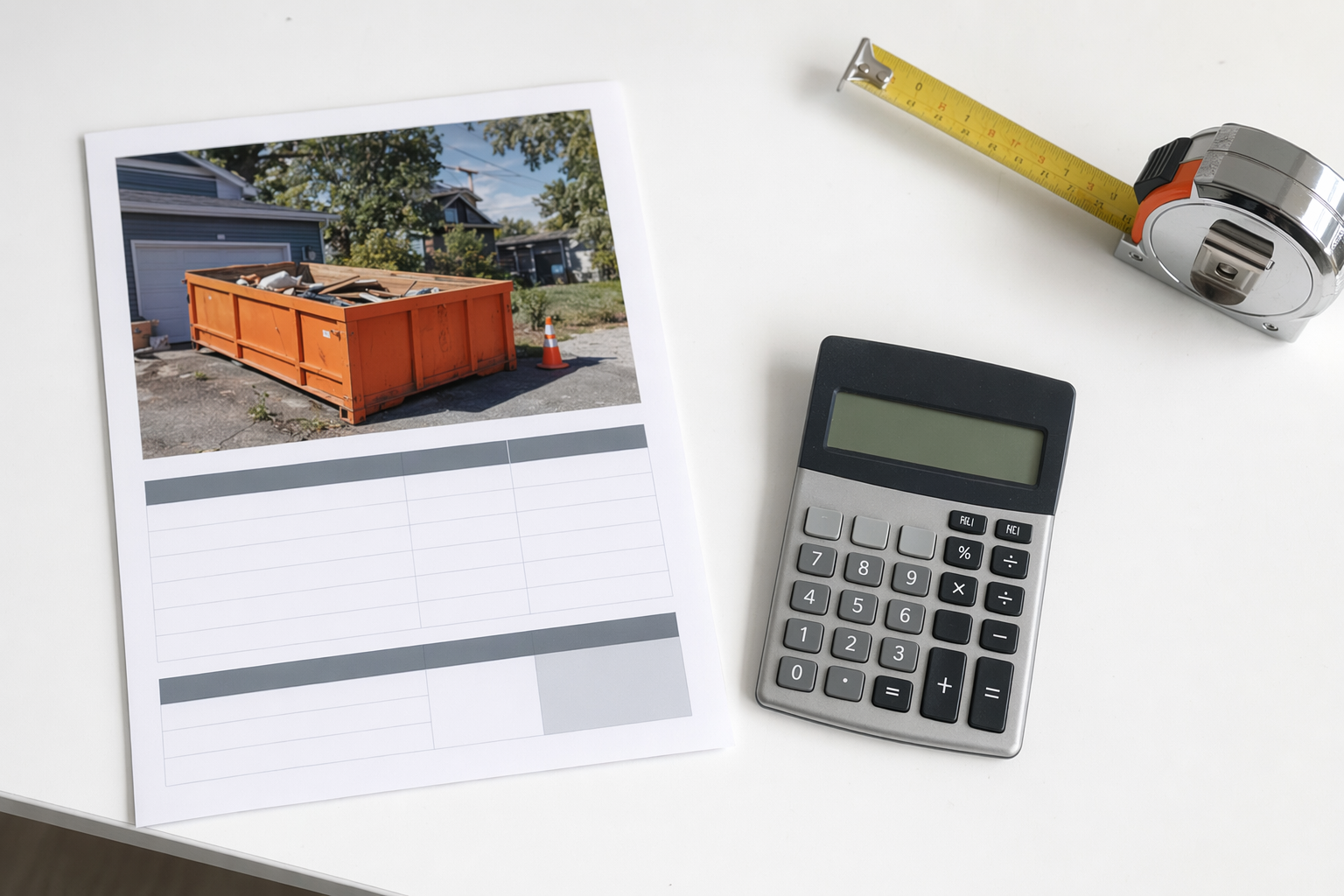
If you overfill a roll-off, you may face extra charges or even a refused pickup—so confirm local rules and the all-in fee terms (including weight overages) before you start loading.
Common questions
Will a hauler pick up a dumpster if it’s full to the top?
Often not. Many haulers won’t haul loads that can spill, shift, or block safe loading. If it’s over the rim or unstable, they may require you to remove some material first.
What if my dumpster looks full but I didn’t think about weight—can I still get charged?
Yes. Heavy debris can exceed the weight/tonnage allowance even when the bin doesn’t look overfilled. Over-tonnage fees are a common add-on, so confirm the weight allowance and ask how overages are charged.
How do I avoid overfill fees before the dumpster arrives?
Get the all-in price in writing and ask what triggers extra charges (over-tonnage, extra-day, trip/dry-run, and prohibited-item fees). Also confirm what counts as “overfilled” in their rules and how they want the load packed.
Can I throw anything in a roll-off dumpster as long as it fits?
No. Prohibited items are usually based on safety and disposal rules, and they vary by hauler and location. For hazardous/regulated waste, use the proper local disposal program.
Do dumpster rules and permits vary by city?
Yes. Weight limits, prohibited items, street/placement rules, and permit requirements vary by area and sometimes by the hauler. Always confirm locally before you load up.