Quick answers
How much does a 40-yard dumpster cost?
A 40-yard roll-off dumpster usually costs more than most people expect, mainly because of weight limits and how long you keep it. The “right” price depends on your area, rental days, and what you’re throwing in—so think in ranges and confirm the all-in total in writing before delivery.
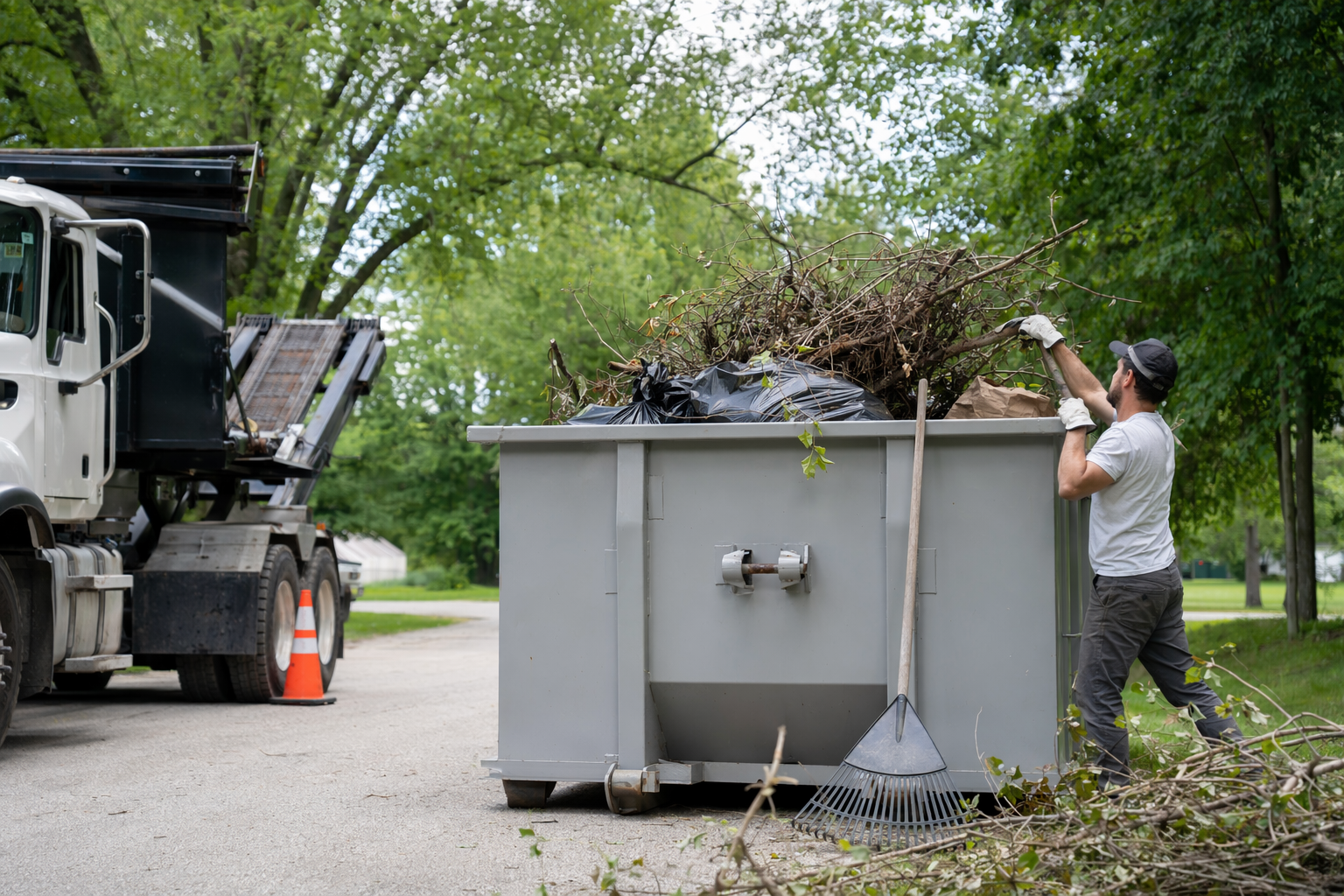
Quick answer: typical 40-yard dumpster cost range
For many U.S. locations, a 40-yard dumpster rental commonly falls in the range of about $500 to $1,500+ for the base rental (time/days) depending on your market and the material type.
That range can jump fast if you exceed the included weight/tonnage allowance, keep the dumpster longer than the rental period, or need extra handling. Also, some jobs may require a different bin size—most homeowners and small cleanouts under-order, but a 40-yard bin can be the right choice for large demos.
BinRoute is a free matching service that can connect you with licensed, insured local dumpster-rental companies—but we don’t haul or dispose of waste. You’ll confirm the final size, rental period, placement, and the all-in price with the hauler before delivery.
- Expect a range, not a quote: your all-in price depends on size, area, days, and debris type/weight.
- Always ask for the all-in total in writing (base rental + estimated overages/fees).

What you’ll pay for (and the “surprise fee” checklist)
Most pricing for a 40-yard roll-off has a base rental charge (delivery + pickup + a set number of rental days and an included weight allowance). From there, the cost changes based on what happens during your project.
Before anyone delivers the dumpster, ask the hauler exactly how they charge for: extra days, extra weight, prohibited items, and any special trip/handling needs. If the hauler won’t give you clear numbers up front, that’s a red flag.
Common surprise fees to ask about:
- Over-tonnage / weight overage: heavy materials can hit the weight limit before the dumpster looks full.
- Extra days: hourly/day rates for keeping the dumpster past the rental period.
- Trip or dry-run/extra pickup charges: if placement changes, access issues delay pickup, or they need to come back.
- Prohibited-item fees: some items are banned, and some “special handling” items may be charged differently.
- Permits or street/parking fees (sometimes): some areas require a permit for placement on a public street.
Why 40-yard pricing varies so much: size, weight, and material type
A 40-yard dumpster is a big container—often used for large cleanouts, major remodels, roofing tear-offs, and construction/demolition debris. But the final price is still driven by weight more than volume for many heavy loads.
Here’s the practical rule contractors live by: heavy debris fills a bin by WEIGHT before volume. Concrete, dirt, brick, tile, roofing shingles, and similar “heavy” materials may force weight limits even when there’s still open space.
That’s also why some people end up paying more than they planned: they choose a “big volume” bin for a heavy material and hit the weight cap early. In that case, using a smaller, dedicated bin for heavy clean fill (when appropriate) can sometimes be cheaper than a second larger rental.
Is a 40-yard dumpster the right size? Round up (but don’t overspend)
People almost always under-order on dumpster size. The safe approach is to plan for what you actually have—not what you think will fit.
However, for some materials, going up in size may not be the problem—going up when you’re dealing with heavy debris might be. Because you can reach the weight limit quickly, you may need a different plan than “just get a bigger bin.”
If you’re between sizes, the next size up is often cheaper than renting a second bin. Still, confirm your debris type and weight expectations with the hauler so you understand the included tonnage and what triggers overage fees.
Permits and placement: what to verify locally
Whether you need a street placement permit and who handles it depends on where you live and how/where the dumpster is set. Rules vary by city and sometimes by the specific hauler.
Before the dumpster arrives, confirm:
1. Where it can be placed (driveway vs. sidewalk vs. street)
2. Whether a permit is required for public right-of-way
3. Any restrictions (hours, distance from hydrants, barriers, or safety rules)
4. Who is responsible for the permit in your area
Also plan for access: overhead lines, narrow gates, soft ground, and “can’t reach” situations can affect pickup and may lead to additional charges.
How to get matched with a licensed local hauler (and get the real price)
To get an honest cost that won’t surprise you, start by telling us what you’re doing and where. BinRoute is free for you: we only collect your contact and project intent (name, phone, optional email, project type, ZIP, and preferred language) so we can connect you with local, licensed, insured companies.
Then, request an all-in price before delivery. Ask for the base rental details plus the exact fee schedule for overages. This is the best way to compare bids fairly.
If you want to move fast, use get matched to connect with local options, or see general guidance in guides and cost explanations in costs.
- Get the all-in total in writing before they drop the bin.
- Confirm the included weight allowance and how they charge if you exceed it.
- Confirm the rental period, extra-day rate, and any trip/handling charges.
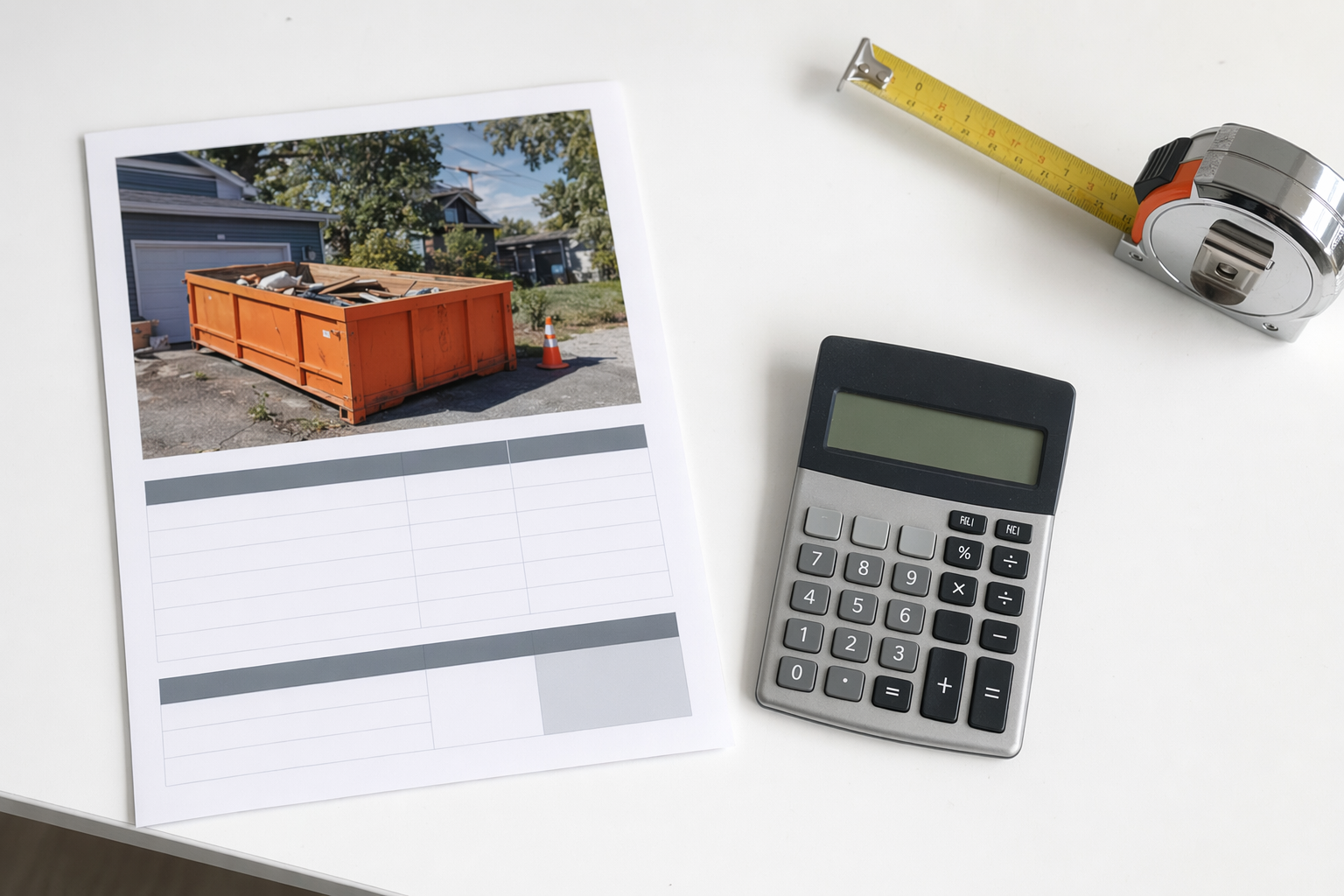
A 40-yard dumpster typically costs in the hundreds to over $1,000, but the real total depends on your area, rental days, and especially weight/overage fees—so confirm the all-in price and local rules before delivery.
Common questions
What’s included in the cost of a 40-yard dumpster rental?
Most pricing includes delivery and pickup plus a set rental period (often measured in days) and an included weight/tonnage allowance. Extra days, extra weight, prohibited items, permits (sometimes), and special trip/handling charges can add to the total.
Why is a 40-yard dumpster more expensive than I expected?
A few common reasons are higher local demand, longer rental periods, and weight/tonnage overages—especially with heavy materials like concrete, dirt, shingles, tile, and brick. If you were quoted without clearly listing the fee triggers, ask for the all-in price in writing.
Can I put anything in a 40-yard dumpster?
No—many items are prohibited or require special disposal. Rules vary by hauler and by area, so you should confirm the allowed and prohibited items with the company you hire. For hazardous or regulated waste, use your local approved disposal program.
How do I avoid overage fees with a 40-yard bin?
Plan for the included weight allowance, not just how full it looks. Break down heavy materials if possible, keep mixed debris organized, and confirm the over-tonnage fee schedule before delivery—so you know what you’ll pay if you exceed the limit.
Do I need a permit for a 40-yard dumpster?
Sometimes, especially if it’s placed on a public street or sidewalk. Permit rules vary by location and responsibility varies by hauler, so confirm locally before the dumpster is delivered.