Quick answers
How much does a 30-yard dumpster cost?
A 30-yard dumpster usually costs about $450 to $900 in many U.S. markets, but the real price depends on your area, rental period, weight allowance, and what you put in it. The cheapest-looking quote is not always the cheapest once fees show up.
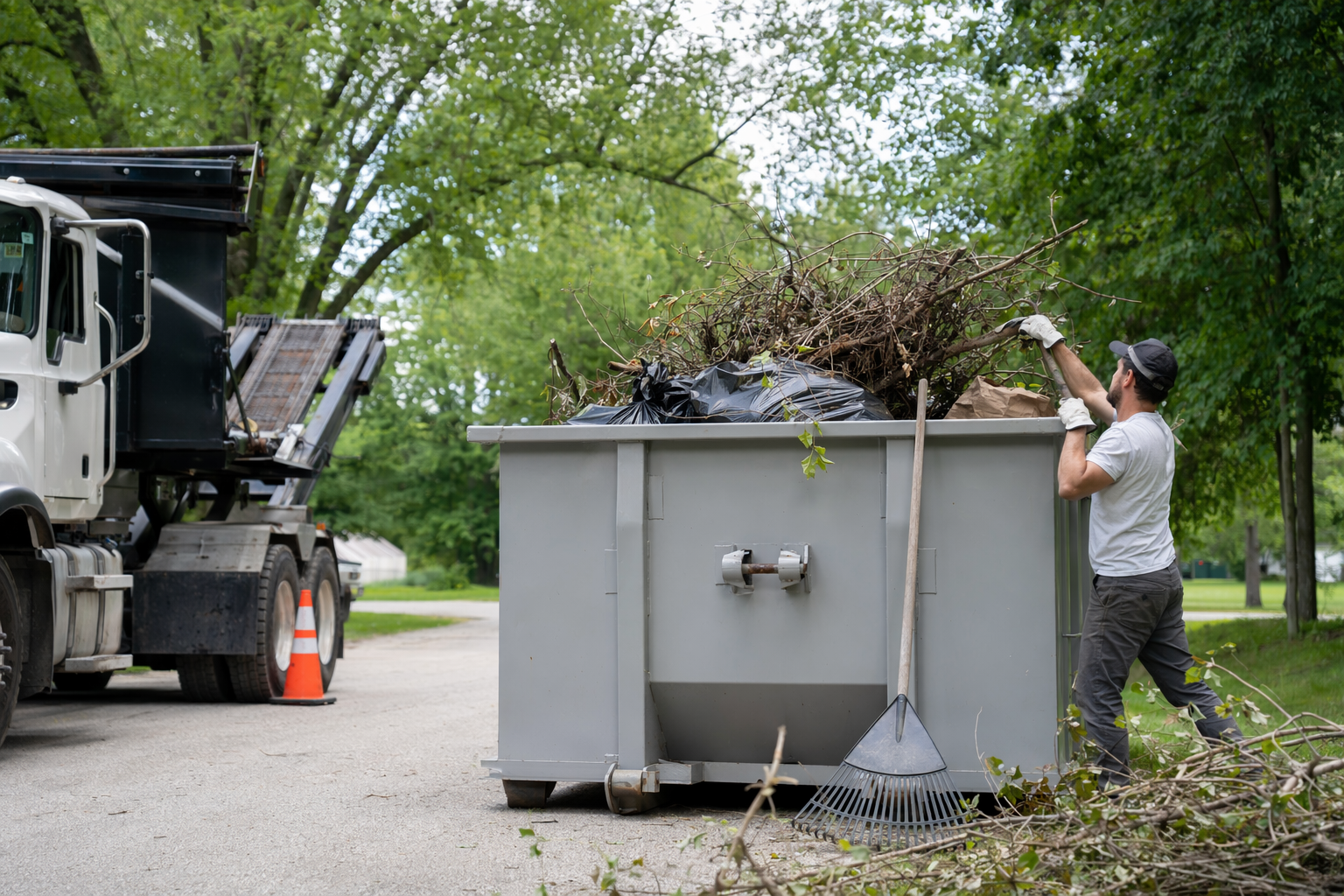
Short answer: expect roughly $450 to $900 for a 30-yard dumpster
For a typical roll-off rental, a 30-yard dumpster often lands somewhere around $450 to $900. In some lower-cost areas it may come in under that, and in dense cities or high-disposal-cost areas it can run higher. That range is general information, not a quote.
What moves the price most is not just the box size. It is your ZIP code, how many days you keep it, how much weight is included, and the type of debris. A 30-yard bin full of light household junk prices very differently from a 30-yard bin loaded with shingles, plaster, dirt, or concrete.
Before you book, ask for the all-in price in writing: delivery, pickup, rental period, included tons, and the per-ton charge if you go over. That is where surprise charges usually hide.

What a 30-yard dumpster is good for
A 30-yard dumpster is a common choice for a big cleanout, a large remodeling job, siding removal, a major move-out, or a construction project with bulky debris. In plain terms, it holds about 30 cubic yards of material — often described as roughly 9 to 12 pickup-truck loads, depending on how the truck is loaded.
Typical outside dimensions are often around 22 feet long, 8 feet wide, and 6 feet high, but exact size varies by hauler. That matters if you are placing it in a driveway.
Most people under-order. If your debris is bulky but not especially heavy, rounding up can save money because renting one larger bin is usually cheaper than filling a smaller one and ordering a second haul.
But for heavy debris, bigger is not better. Concrete, dirt, brick, shingles, tile, and similar materials usually fill a dumpster by weight before they fill it by volume. For that kind of material, a smaller dedicated heavy-debris container is usually the right move.
What makes the price go up or down
The main price drivers are size, area, rental period, weight allowance, and debris type. A 30-yard container in one county may cost much more than the same size a few towns away because disposal fees, labor costs, and landfill rules are different.
Weight matters a lot. Many 30-yard rentals include a set tonnage allowance. If you go over, you usually pay an over-tonnage fee per extra ton. That fee can add up fast, especially on roofing, demolition, or mixed heavy debris.
The rental period also matters. A standard rental might be a few days to a week, but longer rentals often trigger extra-day charges. If the driver arrives and cannot drop the dumpster because the space is blocked, some companies also charge a trip or dry-run fee.
If you are comparing offers, make sure you are comparing the same thing. A lower sticker price with fewer included tons can end up costing more than a higher upfront price with a better weight allowance. More cost guidance is on costs and more general answers are on answers.
- Area: city and disposal costs change the price
- Rental period: extra days usually cost extra
- Weight allowance: over-tonnage fees are common
- Debris type: heavy materials cost more to haul and dump
Surprise fees to watch for
This is where people get burned. Ask about these fees before you agree to anything, and get them in writing.
- Over-tonnage fee: charged per ton if you exceed the included weight allowance
- Extra-day fee: charged if you keep the dumpster longer than the standard rental period
- Trip or dry-run fee: charged if the truck comes out but cannot deliver or pick up because access is blocked or the load is unsafe
- Prohibited-item fee: charged if banned items are found in the load
Also ask how high you can load it. Many haulers require debris to stay level with the top rail for safe transport. If material is sticking up above the rim, pickup can be refused until the load is corrected.
Rules on prohibited items vary by area and by hauler, but common restrictions include paint, chemicals, batteries, tires, propane tanks, fuel, asbestos, and medical waste. For hazardous, medical, or other regulated waste, use the proper local disposal program. This page is general information only, not legal or hazardous-waste-disposal advice.
When a 30-yard dumpster is the wrong choice
If your job is mostly clean concrete, dirt, brick, or asphalt, a 30-yard dumpster can be the wrong container even if the material would physically fit. Heavy debris can hit the weight limit long before the box is full, which means expensive overage charges.
For clean heavy material, ask about a smaller dedicated dumpster instead. A 10-yard or other small heavy-debris container is often the cheaper and safer option.
A 30-yard can also be too large for some driveways or tight streets. If it needs to sit on a public street, you may need a permit, but permit rules and who handles them vary by city and by hauler. Always confirm locally.
How to compare quotes and get matched locally
When you are ready, compare licensed, insured local haulers and verify that coverage yourself. Ask each one the same questions so you can compare apples to apples.
- Confirm the dumpster size is 30 yards
- Ask the total price before delivery
- Ask how many days are included
- Ask how many tons are included
- Ask the per-ton overage charge
- Ask about extra-day, trip, and prohibited-item fees
- Confirm what materials are allowed
- Confirm where the dumpster can be placed and whether a street permit may be needed
BinRoute is a free matching service, not a dumpster company and not a hauler. BinRoute does not rent, deliver, haul, or dispose of waste. We simply help you get connected with licensed, insured local companies so you can compare options and choose who to hire. The service is free for customers, and we only collect contact and project intent details like your name, phone, optional email, project type, ZIP, and preferred language. If you want to start, use get matched or browse more plain-language guides.
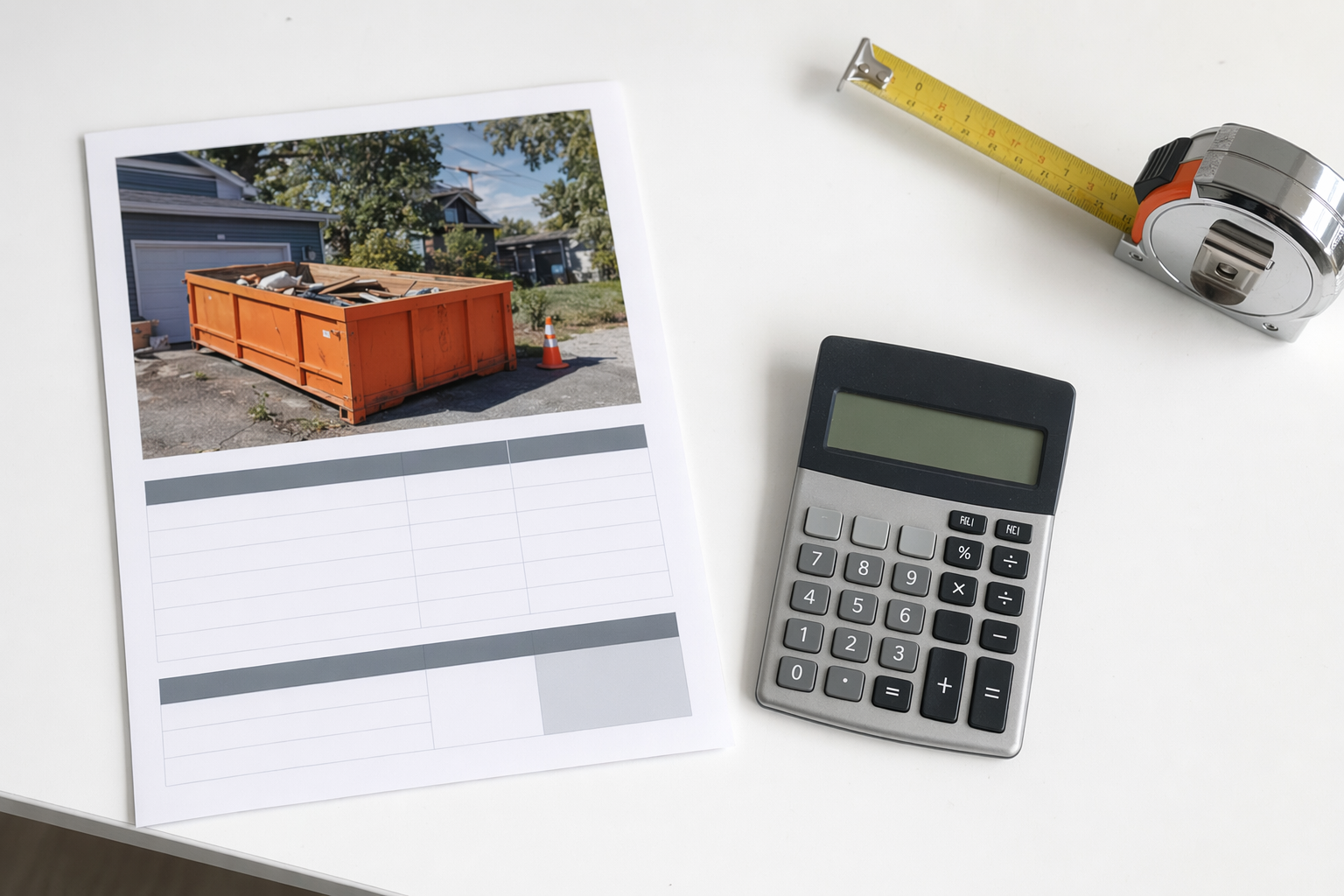
A 30-yard dumpster often costs about $450 to $900, but the real bill depends on local rates, rental days, weight included, and surprise fees if you do not ask the right questions first.
Common questions
Is $500 a good price for a 30-yard dumpster?
It can be, but only if the weight allowance and rental period are reasonable for your job. A low upfront number is not a bargain if over-tonnage or extra-day fees push the final bill higher.
How many tons are usually included with a 30-yard dumpster?
It varies by hauler and area, so you have to ask. Some include only a few tons, while others include more, and that difference can change the real value of the quote.
Can I put roofing shingles in a 30-yard dumpster?
Sometimes, yes, but shingles are heavy and often trigger weight issues fast. For roofing debris, confirm the tonnage allowance and ask whether a smaller dedicated roofing container would be cheaper.
Do I need a permit for a 30-yard dumpster?
Maybe. If it sits on your private driveway, often no permit is needed, but street placement rules vary by city and sometimes by neighborhood, so confirm locally before delivery.
Should I get a 20-yard or 30-yard dumpster?
If your debris is bulky and you are on the fence, the 30-yard is often the safer choice because most people under-order. If the debris is heavy like concrete, dirt, or tile, a smaller heavy-material dumpster is usually smarter.
What items usually cannot go in a dumpster?
Common restricted items include paint, chemicals, batteries, tires, propane tanks, fuel, asbestos, and medical waste, but the list varies by area and hauler. Always ask for the local prohibited-items list before loading.