Quick answers
How much does a 10-yard dumpster cost?
A 10-yard roll-off dumpster usually costs within a mid-range band, but the real all-in price depends on your area, rental days, and what you’re throwing away—especially weight-heavy debris. Get a free match to local licensed, insured haulers and confirm the all-in cost before delivery.
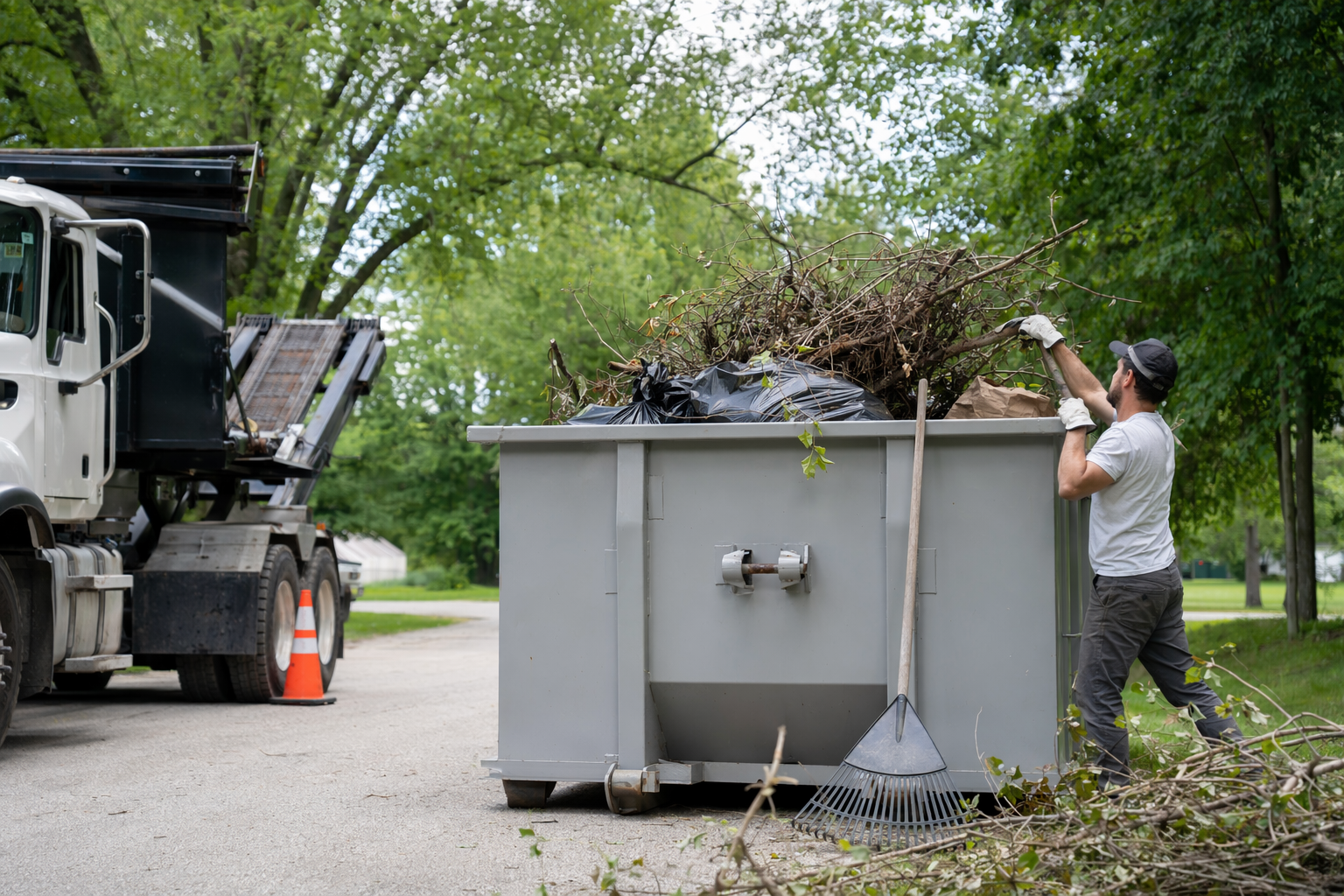
Quick answer: what a 10-yard dumpster typically costs
Most people pay roughly $350–$650 for a 10-yard dumpster for common cleanout or small renovation debris. In some areas, it can be lower, and in others (or for longer rentals), it can run $700+.
Those numbers are not quotes—haulers price differently based on your location, the rental period, and the type of debris. The biggest swing is usually weight: concrete, dirt, tile, roofing tear-offs, and heavy mixed loads can trigger over-tonnage charges.
BinRoute is a free matching service (we don’t rent or haul). When you request help, we’ll connect you with licensed, insured local roll-off companies—then you can confirm the exact, all-in price in writing before any dumpster shows up.
- Typical range: $350–$650 (sometimes $700+ depending on area and terms).
- Expect the price to change with rental days, debris type, and how much you load by weight.

Why the price changes (and what drives the “surprise” fees)
A 10-yard dumpster is a compact size, so it’s common for people to fill it faster than expected. The price usually isn’t just the rental fee—it often includes a weight allowance, then extra fees if you go over.
Watch for these common cost add-ons:
- Over-tonnage (when your load exceeds the hauler’s weight limit for that bin)
- Extra days (if you need it longer than the included rental window)
- Trip/dry-run or re-position fees (if placement changes after scheduling, or if access is difficult)
- Prohibited-item fees (some items can’t go in a roll-off and may cost extra to handle properly)
The best move is simple: ask for the “all-in” price (rental + delivery + weight terms + overage + extra-day cost) in writing before delivery. If a company won’t clearly explain it, keep shopping.
- Most surprise costs come from weight overage, extra days, and prohibited items—not the bin size alone.
- Get the all-in price in writing before the dumpster is delivered.
How to avoid under-ordering: the 10-yard “round-up” rule
People often under-order. A 10-yard dumpster is great for small jobs, but if you’re doing a bigger cleanout than you think, you can end up paying overage or needing a second dumpster anyway.
Here’s the contractor-style rule of thumb: if you’re between sizes, the next size up is often cheaper than renting a second bin. That’s because you’ll pay another delivery, another rental period, and usually another set of weight terms.
Also remember: heavy debris fills by WEIGHT before volume. So a 10-yard bin full of concrete/dirt/shingles can hit the weight limit before it looks “full.” For heavy clean fill, you may need a smaller dedicated approach so you don’t blow past tonnage.
- If you’re between sizes, renting the next size up is often cheaper than two rentals.
- Concrete/dirt/shingles/toxic-heavy loads hit weight limits early.
What a 10-yard dumpster is commonly used for
A 10-yard roll-off is often the right choice for smaller projects like:
1–2 room cleanouts, garage or basement cleanout (moderate debris)
Small remodel or tile removal
Roofing tear-offs are often more complicated due to heavy weight—many areas price them based on weight and disposal rules
Whether a 10-yard bin is the “right” size depends on what’s in it. Light, bulky items (like drywall, carpet, or household junk) may fill the bin by volume. Heavy construction debris (concrete, dirt, brick, rocks) will usually fill by weight—so you might be limited sooner than expected.
Rules and placement requirements vary by city and property type. Confirm street placement and permits locally (and also confirm with the hauler). If you’re not sure, ask before scheduling.
- 10-yard fits many small cleanouts and smaller remodel debris jobs.
- Heavy materials may trigger weight limits sooner than you expect.
Permits and what you can’t toss in (varies by area)
Not every dumpster rental is “plug-and-play.” If you need to place the dumpster on a street or in certain public areas, you may need a permit—and that process and responsibility can vary by location.
Also, there are items that are commonly prohibited in roll-off dumpsters or require special handling (for example, certain regulated waste types, some electronics, and hazardous materials). The exact list and enforcement vary by area and by hauler.
For anything hazardous, medical, or regulated, use the proper local disposal program—don’t guess. For non-hazardous items, still confirm with the hauler what’s allowed for your specific debris mix.
Before you book, ask for the prohibited-item list and make sure you understand how fees work if something is not allowed.
- Street/public placement rules and permits vary by area.
- Prohibited items and disposal requirements vary—confirm with the hauler.
How to get matched fast (and confirm the true all-in price)
If you want the most accurate cost range, your best step is to get matched with local licensed, insured haulers for your ZIP code and project type. You stay in control—you choose the company.
Use BinRoute’s free request to share only what matters for routing and sizing:
1. Your project type (cleanout, remodel, roofing tear-off, demolition, debris type)
2. Your ZIP code
3. Approx. volume/what you’re removing (and if you expect heavy debris like concrete or dirt)
4. Your preferred rental period (how many days you think you’ll need)
5. Preferred language
Then, before delivery, confirm these points with the hauler:
- Dumpster size (10-yard) and the weight allowance (ton limit)
- Rental days included and the per-day price for extras
- Over-tonnage fee amount (per ton or equivalent)
- Delivery/placement details (where it can go on your property)
- Any trip/reposition fees
- Prohibited items list and what happens if something isn’t allowed
That’s how you avoid the real-world “surprises.” If someone can’t give clear answers on those items, move on.
- Ask for tonnage limits + overage pricing + extra-day pricing before delivery.
- BinRoute is free and we don’t haul—participating haulers are licensed and insured.
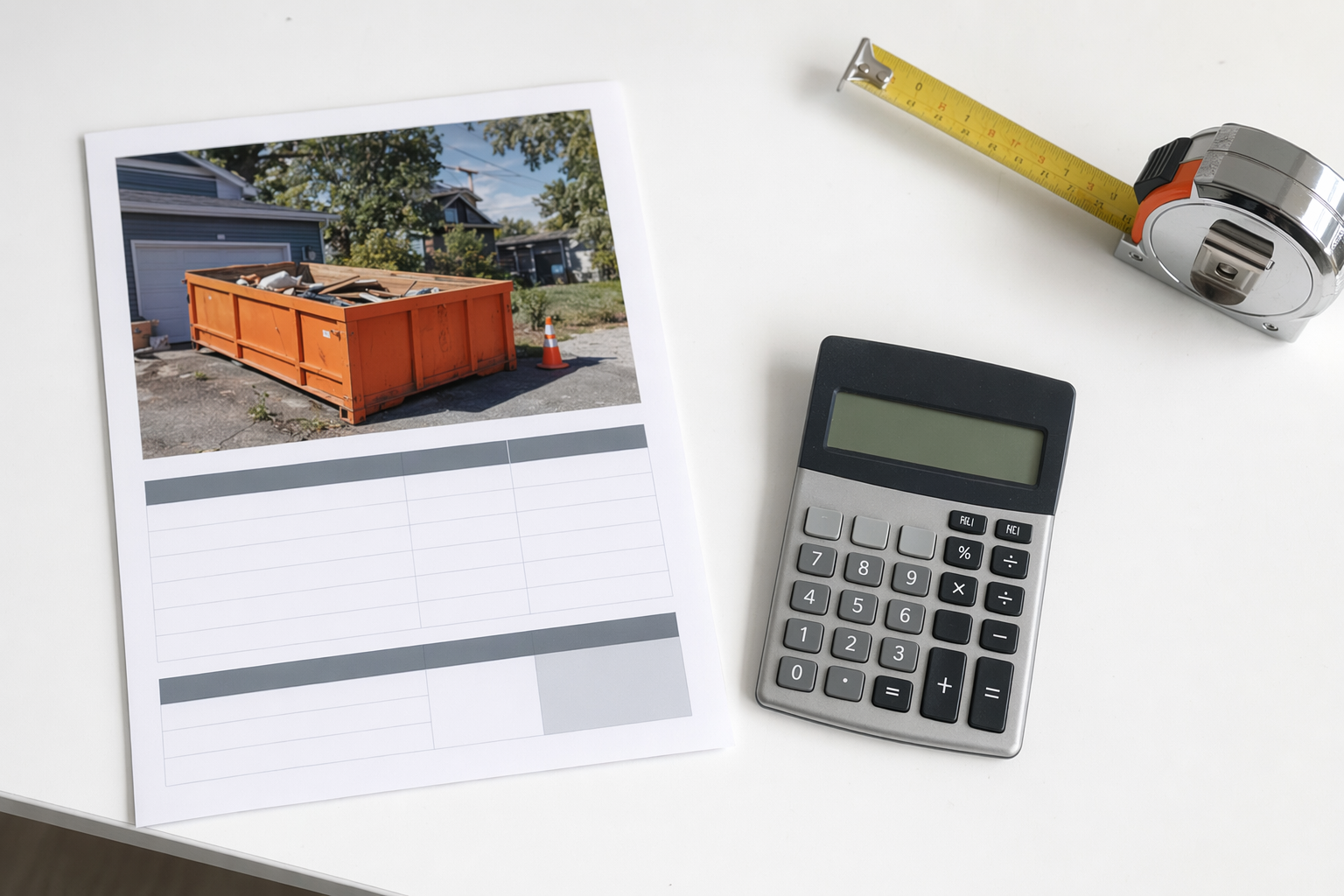
A 10-yard dumpster often costs about $350–$650, but your all-in price depends on your area, rental days, and—most importantly—weight overages for heavy debris.
Common questions
Is a 10-yard dumpster enough for a small home cleanout?
Often, yes—especially for a couple rooms or a garage/basement cleanup with mostly light debris. If you expect heavy items (concrete, dirt, rocks, brick, roofing tear-off), the 10-yard bin may hit the weight limit before it looks full, and you may need a different approach. Confirm the debris type and weight terms with the hauler.
What are the biggest reasons a 10-yard dumpster ends up costing more than the estimate?
The most common reasons are over-tonnage (you exceed the included weight allowance), extra rental days, and prohibited items. Delivery/placement changes can also add trip or reposition fees. Always request the all-in price and fee schedule in writing.
Do I need a permit for a dumpster?
Sometimes. If you plan to place the dumpster on a street or in a public area, permit rules vary by city and county and can depend on your property setup. Check locally and confirm with the hauler what they require for your address.
Can I put everything in a 10-yard roll-off?
No. Many haulers prohibit hazardous or regulated waste and may restrict certain materials like some electronics or specific construction products. The exact list varies by area and hauler, so ask for the prohibited-item guidance before you load.