Quick answers
How many cubic yards is a pickup-truck load?
A typical pickup-truck load is about 2 to 3 cubic yards if the bed is full and piled a little. If the load is loose, bulky, or stacked unevenly, the real amount can be much less than it looks.
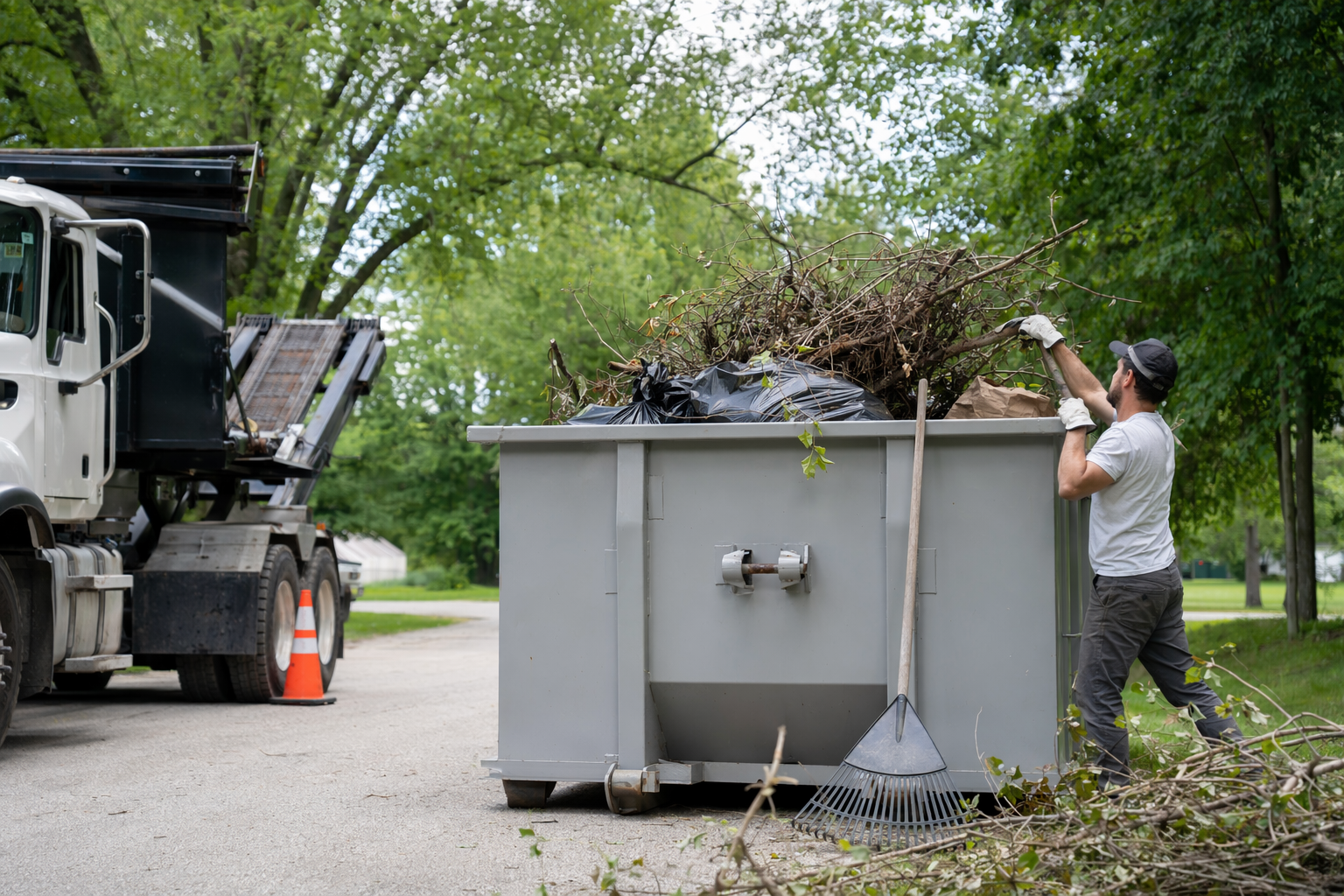
Short answer: one pickup load is usually 2 to 3 cubic yards
If you’re trying to guess dumpster size, a standard pickup-truck bed is a rough guide, not an exact measure. A full-size truck bed with debris stacked to the top is usually around 2 cubic yards, and if the load is piled above the sides it can be closer to 3 cubic yards.
That’s why people often under-order. Loose items leave air gaps, and bulky junk like furniture, drywall, or branches can “look” like less than it really is. When you’re between sizes, the next dumpster size up is usually the safer move and often cheaper than renting a second bin.
If you want more plain-English sizing help, see our guide hub and answers.

A few real-world pickup-load examples
A pickup load is not the same as a dump trailer load, and it’s not the same as a contractor yard. Different trucks have different bed sizes, side rails, and load shapes. But as a rough, practical rule:
- A half-full pickup bed: about 1 cubic yard or less.
- A level-full pickup bed: about 2 cubic yards.
- A bed piled above the rails: about 3 cubic yards, sometimes a little more if the material is light and fluffy.
For everyday debris, that means one pickup load is often smaller than people first think. A sofa, a few mattresses, a stack of carpet, or a small bathroom demo can eat up more space than a single truck bed suggests.
Why cubic yards matter more than truck loads when renting a roll-off
Dumpster rental companies price roll-offs by cubic yard size, weight allowance, rental period, and the kind of debris you’re tossing. A pickup-load guess is useful, but the dumpster size on the quote is what actually matters.
Here’s the simple translation: 1 cubic yard is about 3 feet by 3 feet by 3 feet. So a 10-yard dumpster holds roughly 10 pickup-truck loads only if the material packs efficiently. In real life, bulky debris can fill the bin before you hit the full “truck-load” number.
Heavy material is different. Concrete, dirt, shingles, and tile can hit the weight limit long before the dumpster looks full. For that kind of debris, ask about a smaller dedicated container and confirm the tonnage allowance before delivery.
What to ask before you book so you don’t get surprised
Before you order a dumpster, get the all-in price in writing. The honest number depends on your area, the bin size, the rental length, the included weight, and what you’re throwing away.
Watch for these extra charges:
- Over-tonnage fees if you go past the weight allowance
- Extra-day charges if you keep it longer
- Trip or dry-run fees if the driver can’t deliver or pick up
- Prohibited-item fees if banned material gets loaded in
Rules vary by area and by hauler, so confirm locally. Always ask what is allowed, where the dumpster can sit, whether you need a permit, and who is responsible if the weight goes over. BinRoute is a free matching service, not a hauling company, so we do not deliver or haul dumpsters ourselves.
How BinRoute helps you get the right local hauler
If you’re not sure whether your job is 2 yards, 3 yards, or a much bigger cleanout, BinRoute can help you compare licensed, insured local dumpster-rental and hauling companies without paying for the matching service. We collect only contact and project details: name, phone, optional email, project type, ZIP, and preferred language.
That makes it easier to talk to a real local hauler, compare the size and weight allowance, and confirm the placement and all-in price before anything is delivered. You stay in control, and you choose who to hire.
For the next step, visit get matched or review costs if you want a better sense of what a roll-off should cost in your area.
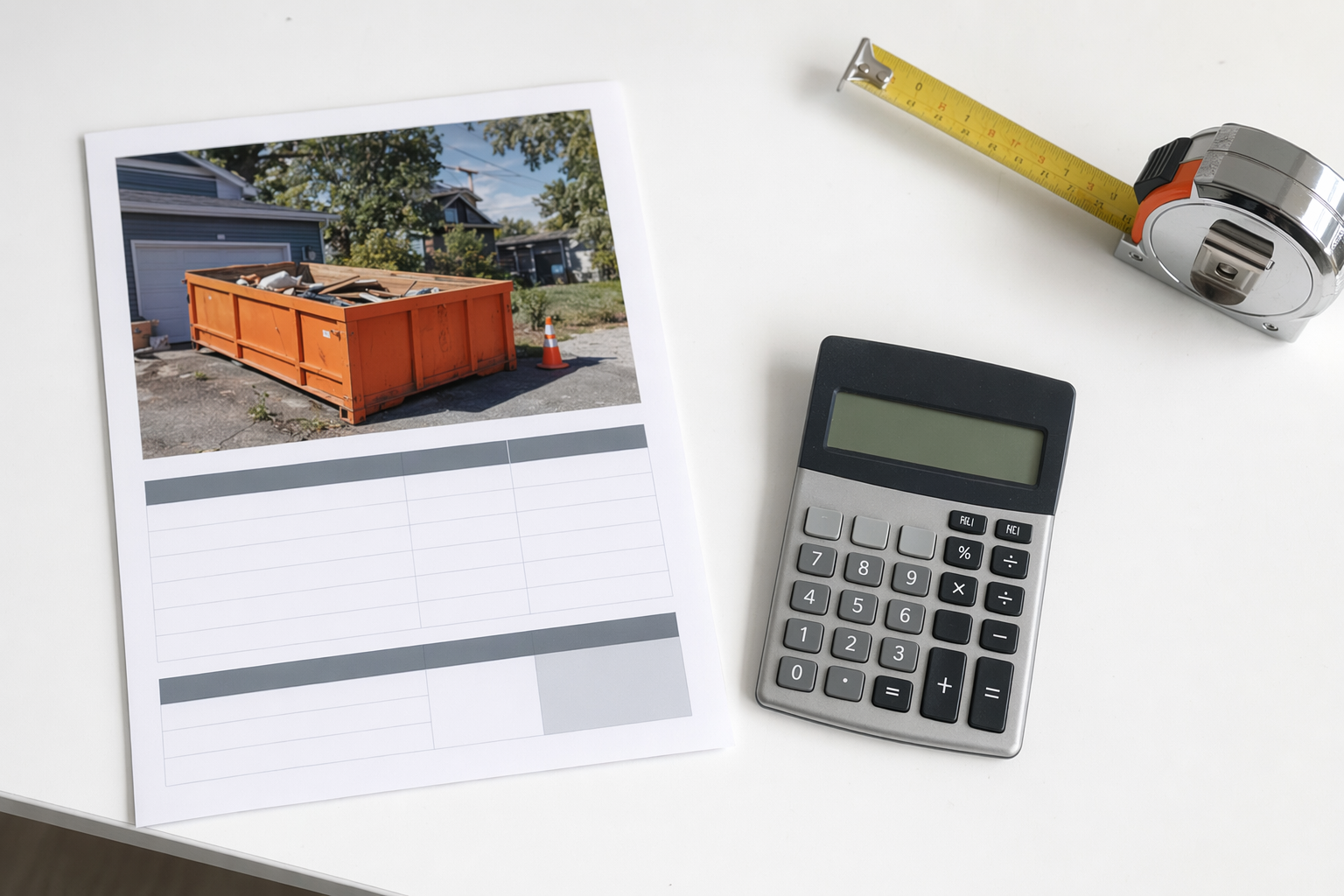
A pickup-truck load is usually about 2 to 3 cubic yards, but always round up a bit and confirm the dumpster size, weight limit, and all-in price with a licensed local hauler before you book.
Common questions
How many cubic yards are in a full pickup truck load?
Usually about 2 cubic yards for a level-full bed, and closer to 3 cubic yards if it’s piled above the rails. It depends on the truck and the shape of the load.
Is a pickup load enough to size a dumpster?
It’s a helpful starting point, but not exact. Bulky junk can take more space than it looks, and heavy debris can hit weight limits before it fills the bin.
Should I round up when choosing a dumpster size?
Yes, usually. Most people under-order, and the next size up is often cheaper than a second bin if you run short.
Can I put concrete or dirt in the same dumpster as household debris?
Usually that needs to be confirmed locally, and many haulers want heavy clean fill in a separate container. Concrete and dirt can cause over-weight fees fast.