Quick answers
How long can I keep a rented dumpster?
Most roll-off dumpster rentals come with a set “rental period” (often 7–10 days). If you need longer, you may be able to extend, but extra days and over-weight fees can change the total—so confirm the all-in price before delivery.
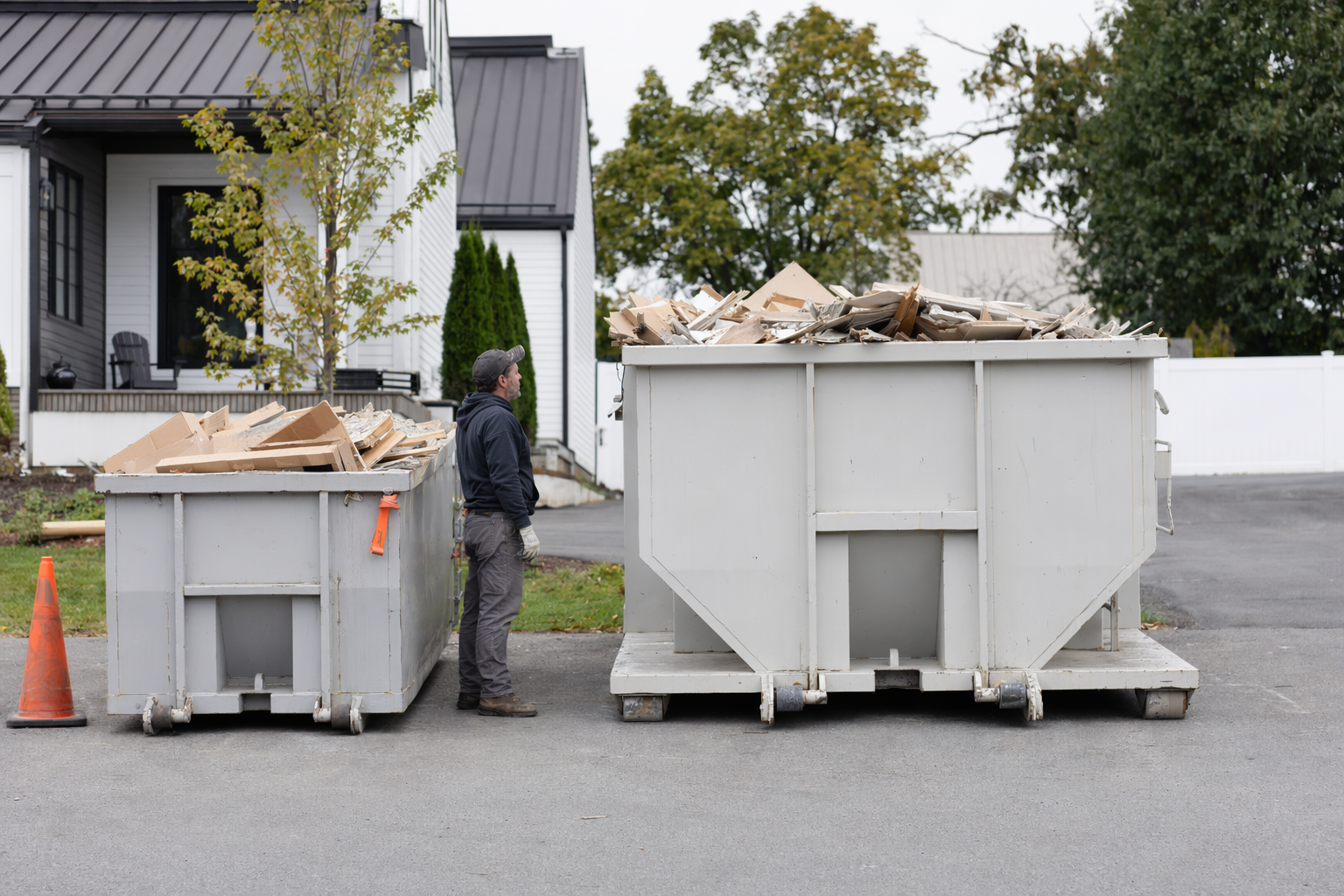
How long is a typical roll-off rental (and what “rental period” really means)?
In most areas, dumpster rentals are priced around a standard rental period—commonly about a week to a bit over a week. Your contract should spell out the start and end dates, and what happens if you keep it past that window.
Also pay attention to how the timer starts. Some haulers start the rental period on the day they deliver the bin; others may tie it to a specific calendar date. This is one of the easiest ways people get surprised on the final bill.
Because rules, pricing, and allowed timelines vary by city and by hauler, treat any “typical” number as a rough guide. Ask for the rental period and the extension price in writing before the dumpster is dropped off.
- Ask: What exact date/time is included in the rental period?
- Ask: How much does each extra day cost (and is it prorated or flat)?

If you need more time, what fees should you expect?
Usually, extending a rental means paying an extra-day rate. Sometimes that’s a flat cost per additional day; other times it may be “per billing increment.” Extensions can get expensive if your project drags on.
The other big cost surprise is weight. Heavy debris (like concrete, dirt, shingles, tile, brick, or roofing tear-offs) fills bins by WEIGHT before volume. If you exceed the weight allowance included with your rental, the hauler may charge over-tonnage fees. Those can stack with extra-day charges.
Before you rent, ask for an “all-in” price that clearly includes: the rental period, extra-day costs, and any weight-related terms. BinRoute helps you compare licensed, insured local options, but you still need to confirm the terms directly with the hauler you choose.
- Extra days: ask the exact extension price per day (and billing increments).
- Over-weight: ask the weight allowance and the per-ton (or per-load) overage fee.
- Get the all-in price in writing first.
Plan your timeline: common reasons rentals run long (and how to avoid trouble)
Dumpster projects rarely take exactly as long as the first estimate. Typical delays include inspection/permit timelines, material delivery, weather (especially for roofing/demolition), and waiting on trades.
A smart way to avoid overpaying is to plan for your “slowest week,” not your ideal scenario. If you’re not sure, it’s often cheaper to rent the right bin size for the full job and schedule the delivery so it’s in place when the debris starts coming—rather than keeping it sitting for days.
If you anticipate delays, talk to the hauler early. Some companies can accommodate extensions more easily when they’re planned, not requested at the last minute. (Still, pricing and rules vary by area.)
- Schedule delivery closer to when demo/cleanout begins.
- Have a realistic buffer for permits, inspections, and weather.
- If you think you’ll exceed the rental period, ask about extensions before delivery.
Placement and permits can affect timing (and who’s responsible)
Even if you’re ready to load right away, you may need time for setup. If the dumpster needs to be placed on a street, sidewalk, or other regulated area, your city may require a street/placement permit.
Permit rules vary a lot by location, and responsibilities can differ between homeowner/renter and the hauler. The safest approach is to confirm locally and ask the hauler what they will require from you. Plan for the permit process so the bin doesn’t arrive before placement is approved.
BinRoute can help you connect with local licensed, insured haulers, but we’re not the company delivering or managing the dumpster. Always confirm placement requirements and responsibility for permits with the hauler and your local city/HOA (if applicable).
- If placement isn’t on private property, ask about permits before renting.
- Confirm who is responsible for the permit in your area.
What BinRoute does (and what it doesn’t) when it comes to rental length
BinRoute is a FREE matching service. We help you get connected with licensed, insured LOCAL roll-off dumpster companies based on your project type and ZIP code—so you can ask the right questions about rental period, extensions, and weight limits.
We don’t rent, deliver, or haul dumpsters, and we don’t control the terms. That’s why the most important step is still yours: confirm the dumpster size, the rental period, the tonnage allowance, where it will be placed, and the all-in price (including extra days and prohibited-item rules) before the dumpster is delivered.
If you’re ready, you can get matched and include what you’re doing (cleanout, remodel, roofing tear-off, concrete/dirt, etc.) and your preferred language. You’ll compare options and then choose who to hire.
- BinRoute is FREE and not a hauling company.
- Verify rental period, extension cost, and weight terms with the hauler before delivery.
Quick checklist before you rent (to prevent “surprise” extension costs)
Use this before you say yes to a dumpster rental:
- Rental period: What exact dates/times are included?
- Extension fee: What is the cost per extra day (and how is it billed)?
- Weight limits: What’s included, and what triggers over-tonnage fees?
- Debris type: Concrete/dirt/shingles often fill by weight—confirm your allowance for your material.
- Prohibited items: Ask what items can’t go in the dumpster (hazardous/regulated waste needs a proper local program).
- Placement: Where will it sit (driveway vs. street)? Any permit needed?
If you don’t get clear answers up front, ask again. A good, straightforward hauler will tell you the terms plainly—so you can plan your timeline and budget.
- Round-up reminder: if you’re between sizes, the next size up is often cheaper than renting a second bin.
- Ask for the all-in price in writing (including extra days and over-weight terms).
Most dumpster rentals include a set number of days, and keeping it longer usually costs extra per day plus possible weight-overage fees—so confirm the exact dates and all-in extension terms before delivery.
Common questions
My project might take longer than a week—can I keep the dumpster longer?
Usually yes, many haulers allow extensions, but they charge an extra-day (or per billing increment) fee. Ask for the exact extension price and how the rental period is counted before delivery.
Do extra days cost more if my dumpster is almost full?
Extra-day charges are usually based on time, not how full the bin is. However, if your debris is heavy, you may also hit the weight allowance, which can add over-tonnage fees—so check both the extra-day and weight terms.
What’s the best way to avoid extension fees?
Schedule delivery closer to when demo/cleanout starts, confirm the included rental period dates, and ask early about extension options if delays are likely. Also make sure you picked a realistic size so you don’t run into weight limits or need a second bin.
Who handles a street permit if the dumpster can’t go on my driveway?
It depends on local rules and the hauler’s process. Confirm with your city/HOA and ask the hauler directly what you need to do (and what they require) before the dumpster is placed.