Quick answers
Can you put furniture in a dumpster?
Usually yes—most roll-off dumpsters can take household furniture, but it depends on what condition it’s in and whether any parts are regulated or banned in your area. Here’s the practical way to handle it and avoid surprise fees.
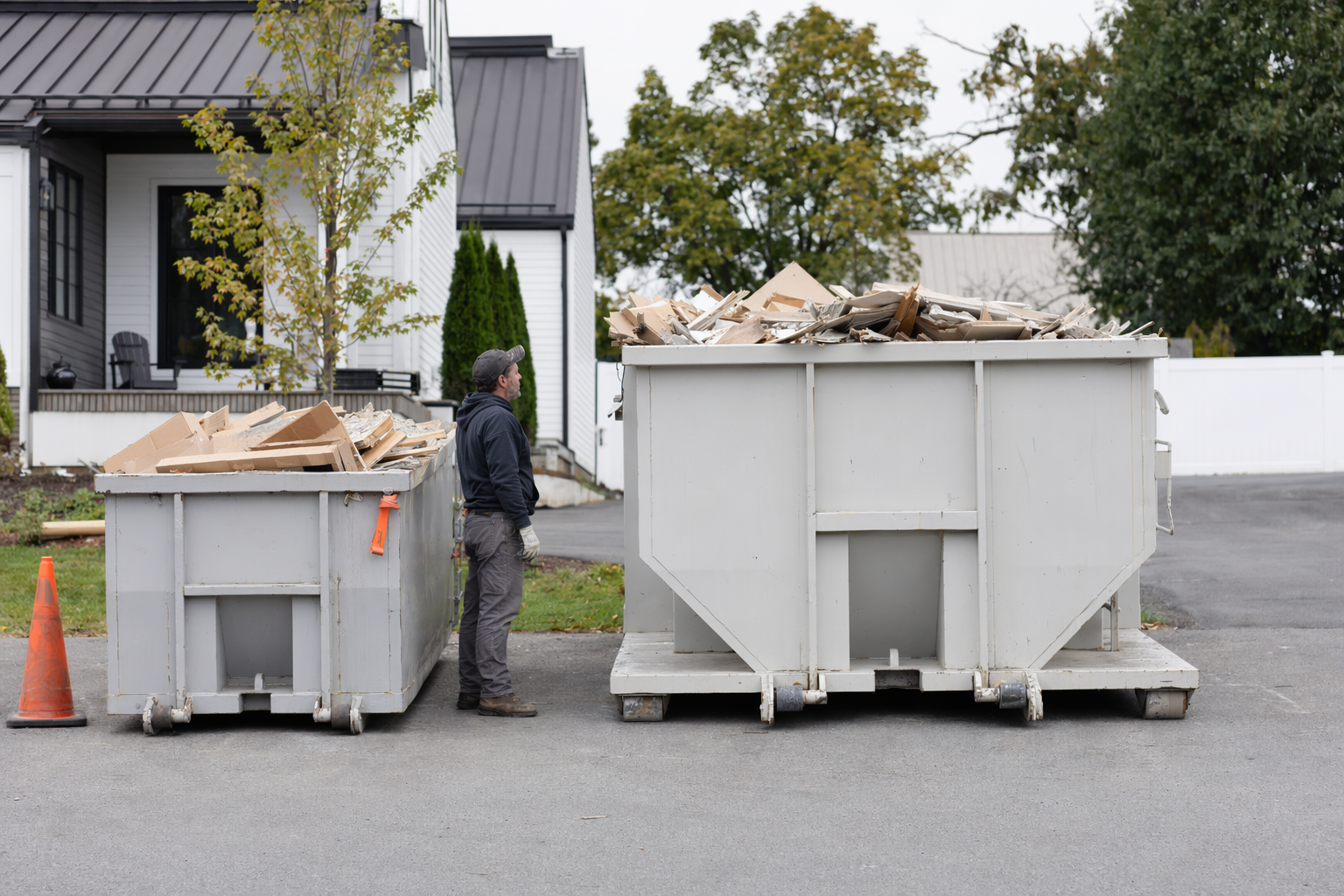
Quick answer: when furniture is OK (and when it’s not)
In most cases, you can put regular household furniture—like couches, chairs, tables, dressers, mattresses, and cabinets—into a roll-off dumpster as part of a cleanout.
The catch is what kind of furniture it is and what else is mixed in. If the furniture is stained/contaminated (think heavy mold, sewage, or hazardous materials), or if it includes regulated items, you may need a different disposal route. Also, some areas and haulers have limits on mattresses/box springs and may charge special handling fees.
Rules vary by city/county and by hauler, so confirm with the local company when you request the bin. BinRoute is a free matching service that helps you connect with licensed, insured local haulers—always verify prohibited items and all-in pricing directly with them.

What to do with furniture so it fits (and doesn’t blow up your cost)
Furniture takes up a lot of space, so people often under-order. Many haulers charge based on the weight allowance (and then by extra ton/overage), but roll-off rentals are also limited by the dumpster’s volume—so you can hit “full” even when the debris isn’t heavy.
To avoid paying for a second bin, plan like a contractor: break down big pieces when you can and stack efficiently. Remove non-furniture parts you can (like glass panels or mirror inserts) if you’re allowed to dispose of them, and keep the load as level as possible so it can’t tip over or extend above the rim.
Size guidance: pick the right bin for a furniture cleanout
Most furniture-only cleanouts land somewhere around a 10-yard to 20-yard roll-off, but the exact size depends on how much you have and how bulky it is.
A quick rule of thumb: if you’re clearing a room or a small apartment, a 10-yard is common. If you’re clearing an entire home and you have multiple couches/bed frames and lots of smaller items, 20-yard is more realistic.
When you’re between sizes, rounding up is often cheaper than renting a second dumpster—especially with bulky items like furniture. If you mix in heavy debris later (like tile, concrete, or dirt), sizing can change because those materials fill by weight before volume.
Surprise fees to ask about before delivery
The “headline price” for a dumpster rental can change once your load is weighed and once the hauler checks for prohibited items or extra handling.
Ask the hauler for the all-in price in writing and confirm these common fee areas:
- Over-tonnage charges if you exceed the weight allowance
- Extra-day fees if you need the bin longer than the rental period
- Trip/dry-run or location fees if placement is difficult
- Prohibited-item fees if you accidentally toss something they can’t take
- Mattress/box spring or special-handling fees (rules vary)
Also ask how they handle items that are “furniture” but are mixed with other waste. If you’re unsure whether something counts as regulated waste, don’t guess—ask.
Permits, placement, and neighbors: practical steps before you order
Dumpsters often need to be placed on private property, and many areas require a permit if the bin goes on the street or blocks parking. Permit rules vary a lot across the US, so check locally (or ask the hauler what they require in your ZIP).
Before you schedule delivery, think through:
- Where the bin will sit (driveway vs. street)
- Vehicle access for the hauler
- Ground conditions (soft ground can affect placement)
- Whether you need to move cars or protect landscaping
If you’re a first-time renter, this is where a licensed, insured local hauler matters—they’ll usually explain what they need to place the dumpster safely.
How to get matched to a licensed local hauler (free)
BinRoute is a FREE matching service, not a dumpster company. We don’t deliver or haul, and we don’t dispose of waste.
To get connected, share only:
- Your name and phone number
- Your project type (like “furniture cleanout”)
- Your ZIP code
- Your preferred language
- Optionally, your email
Then you can confirm the dumpster size, rental period, placement spot, weight/tonnage allowance, and the all-in price with the hauler—before the dumpster is delivered.
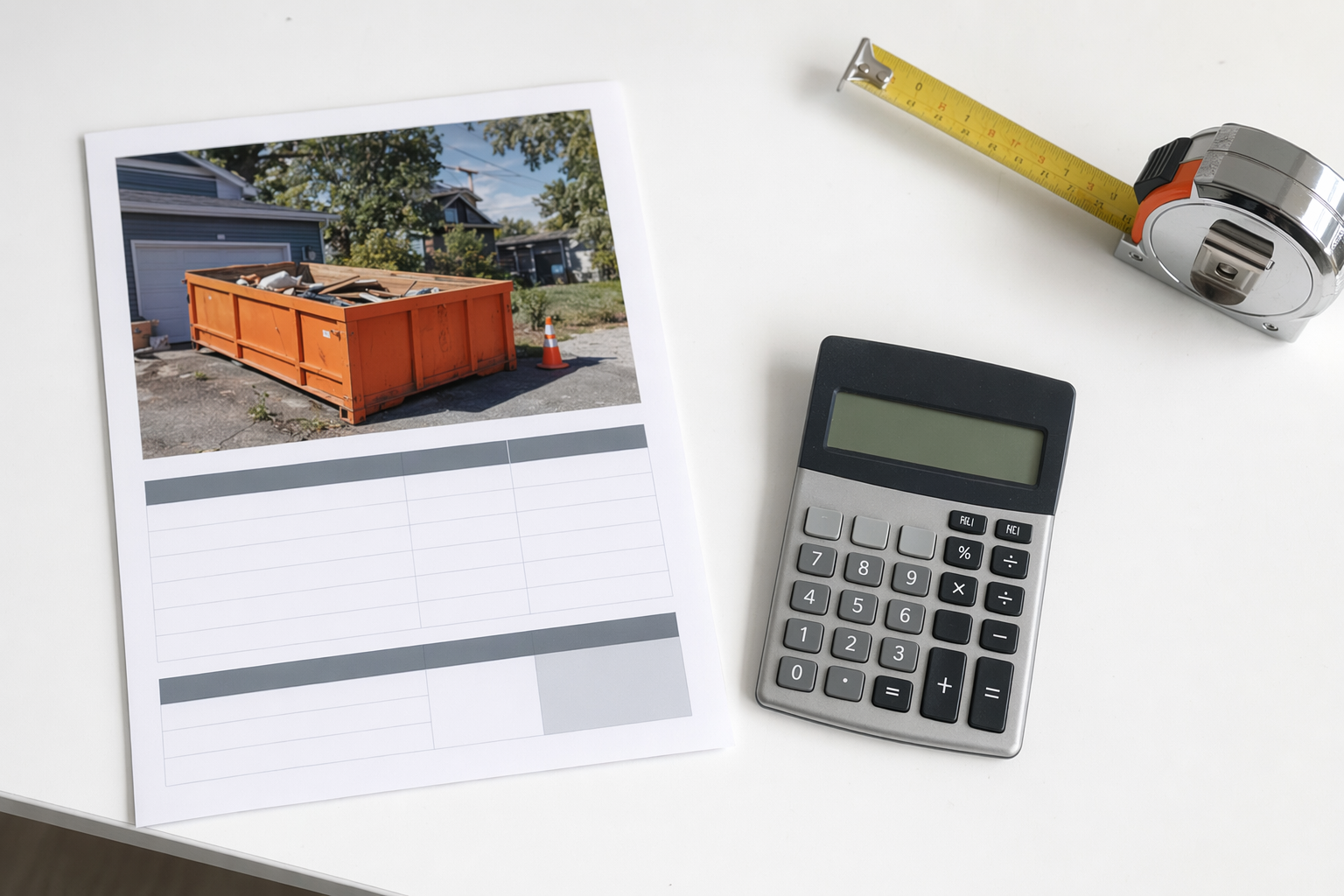
Most household furniture can go in a roll-off dumpster, but mattress rules, contamination, and other mixed items vary—confirm locally and ask for the all-in price before you load.
Common questions
Can I put a mattress in a roll-off dumpster?
Often yes, but rules vary by area and by hauler. Some places require special handling and charge an extra mattress/box-spring fee. Ask the local company when you request the bin.
Do I need to remove drawers and parts from furniture?
It’s not always required, but it helps. Breaking down bulky furniture and removing attached non-furniture parts can improve how the load stacks and can reduce the chance you’ll exceed the bin’s effective fill.
What if my furniture is moldy, has water damage, or smells like sewage?
Don’t guess. Contaminated or heavily damaged items may need a different disposal approach than normal household waste. Contact your local disposal program or ask a licensed hauler what they can accept.
How much does a furniture cleanout dumpster cost?
Prices usually range based on dumpster size (often 10–20 yards for furniture), your area, rental length, and the type of items. You can also run into extra-day or over-tonnage fees if the load is heavier than expected or you keep the bin longer than planned—ask for the all-in price in writing.
Can I mix furniture with other junk in the same bin?
Sometimes yes, but it depends on what the other items are. If you mix in prohibited items or regulated waste, the hauler may charge prohibited-item fees or refuse part of the load. Confirm acceptable items before loading.